
Table of Contents
When to Worry About Joint Pain? Warning Signs and Modern Non-Surgical Solutions
Knowing when to worry about joint pain is essential for protecting your long-term mobility and preventing irreversible structural joint damage. Almost everyone experiences temporary joint stiffness after an intense workout, a long trek, or an unusually demanding day on their feet. However, when joint discomfort transitions from a fleeting nuisance into a persistent, aching burden, distinguishing between routine wear and a condition requiring medical intervention becomes critical.
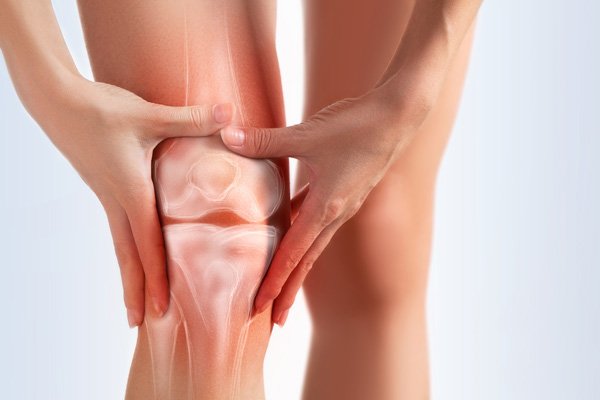
A aching knee that prevents someone from walking down stairs, a throbbing shoulder that disrupts sleep, or stiffness that makes morning routines painful are clear signals from your body. Recognizing these warning signs early empowers you to seek modern, non-surgical evaluation before cartilage loss or nerve sensitization severely limits your active lifestyle.

What Is Clinical Joint Pain Evaluation?
+-------------------------------------------------------------------------+
|                    THE JOINT PAIN EVALUATION SPECTRUM                   |
|                                                                         |
|  [ Acute Wear / Fatigue ] ---> [ Inflammatory Signal ] ---> [ Loss of Function ] |
|            |                              |                         |   |
|            v                              v                         v   |
|  (Rest & Observation)       (Image-Guided Assessment)  (Targeted Interventions) |
+-------------------------------------------------------------------------+
Clinical joint pain evaluation is a systematic medical assessment used to identify the exact structural, inflammatory, or mechanical cause of articular discomfort. It differentiates temporary overuse injuries from progressive conditions like osteoarthritis, rheumatoid arthritis, or ligamentous tears, determining whether conservative management, advanced interventional pain therapy, or surgical consultation is required.
How Is Interventional Pain Management Different from Traditional Care?
When facing persistent joint pain, patients often feel trapped between two extremes: taking oral pain relievers indefinitely or undergoing major open surgery like total joint replacement.
+-----------------------------------------------------------------------------+
|                      TRADITIONAL CARE vs. INTERVENTIONAL CARE               |
|                                                                             |
|  [ General Medical Care ]   ---> Systemic painkillers & generalized physical |
|                                  therapy (masks symptoms).                  |
|  [ Interventional Care ]     ---> Targeted, image-guided precision therapies  |
|                                  (addresses the exact pain generator).      |
|  [ Major Surgery ]           ---> Invasive structural replacement or joint  |
|                                  fusion (last resort).                      |
+-----------------------------------------------------------------------------+
An interventional pain doctor provides a vital bridge between basic conservative measures and major surgery. Aligned with clinical practice standards established by the International Association for the Study of Pain (IASP) and the Indian Society for Study of Pain (ISSP), interventional pain medicine utilizes real-time imaging guidance—such as live fluoroscopy (C-arm) or high-resolution ultrasound—to target the exact source of joint inflammation or nerve signaling.
Rather than masking symptoms with systemic oral medications that can cause gastrointestinal or renal stress, interventional pain care delivers precise, non-surgical relief directly to the affected joint or peripheral nerve pathways.
Step-by-Step Guide: When to Seek Medical Evaluation for Joint Pain
If you are unsure whether your joint discomfort requires professional attention, follow this 5-step clinical self-assessment guide to determine when to worry about joint pain:
  +------------------------------------------------------------------+
  | STEP 1: Assess Duration (The 2-to-4 Week Threshold)              |
  +------------------------------------------------------------------+
                                   |
                                   v
  +------------------------------------------------------------------+
  | STEP 2: Evaluate Mechanical Red Flags (Catching, Locking, Giving Way)|
  +------------------------------------------------------------------+
                                   |
                                   v
  +------------------------------------------------------------------+
  | STEP 3: Identify Inflammatory Indicators (Warmth, Swelling, Morning Stiffness)|
  +------------------------------------------------------------------+
                                   |
                                   v
  +------------------------------------------------------------------+
  | STEP 4: Measure Functional Deficits (Impact on Walking, Stairs, Sleep)|
  +------------------------------------------------------------------+
                                   |
                                   v
  +------------------------------------------------------------------+
  | STEP 5: Monitor Responsiveness to Basic Conservative Care        |
  +------------------------------------------------------------------+
- Step 1: Assess Duration (The 2-to-4 Week Threshold)Routine muscle fatigue or mild ligament strains typically improve within 10 to 14 days. If aching, throbbing, or stiffness in a joint persists beyond 2 to 4 weeks despite rest and ice, medical evaluation is recommended.
- Step 2: Evaluate Mechanical Red FlagsTake note if your knee, shoulder, or hip catches, locks up, or feels like it is “giving way” under weight. These symptoms often indicate intra-articular structural issues, such as a meniscal tear, loose joint body, or advanced cartilage breakdown.
- Step 3: Identify Inflammatory IndicatorsPersistent redness, localized warmth, visible joint swelling (effusion), or morning stiffness lasting longer than 30 minutes are key signs of active joint inflammation that should not be ignored.
- Step 4: Measure Functional DeficitsWhen joint discomfort directly impairs your ability to perform routine activities—such as climbing stairs, getting out of a chair, walking short distances, or sleeping comfortably—it indicates significant functional compromise.
- Step 5: Monitor Responsiveness to Basic Conservative CareIf over-the-counter anti-inflammatory medications, topical gels, and rest no longer provide relief, relying on higher medication doses can be harmful. This is a clear indicator to transition to a specialized evaluation.

Comparing Non-Surgical Interventional Joint Therapies
Modern interventional pain medicine offers several advanced procedures to manage joint pain without open surgery. The table below compares common non-surgical options available at a specialized pain clinic in Hyderabad:
| Procedure Type | Primary Indications | Mechanism of Action | Recovery Window | Duration of Relief |
| Viscosupplementation (Hyaluronic Acid) | Mild-to-moderate Knee Osteoarthritis | Restores natural synovial lubrication and joint cushioning | Minimal; resume daily activities in 24 hours | Typically 6 to 12 months |
| Platelet-Rich Plasma (PRP) Therapy | Tendinopathies, Ligament Strain, Early Cartilage Degeneration | Concentrates autologous growth factors to stimulate tissue healing | Light activity within 24–48 hours | Typically 9 to 18 months |
| Coolief / Radiofrequency Ablation (RFA) | Advanced Knee, Hip, or Shoulder Osteoarthritis; Post-Surgical Joint Pain | Uses controlled thermal energy to interrupt sensory pain signals from genicular or articular nerves | Resume light routine in 24–48 hours | Typically 6 to 24 months |
| Ultrasound-Guided Corticosteroid Injections | Acute Joint Inflammation, Bursitis, Severe Arthritic Flare-ups | Delivers concentrated anti-inflammatory medicine directly into the joint space | Immediate return home; minimal downtime | Typically 3 to 6 months |
Who Is Suitable for Non-Surgical Interventional Joint Treatment?
You may be an ideal candidate for non-surgical pain relief therapies if:
- You experience persistent joint pain lasting longer than 4 to 6 weeks that limits your daily activities.
- You have been diagnosed with osteoarthritis (knee, hip, shoulder) but want to delay or avoid major joint replacement surgery.
- You are medically unfit for open surgery due to underlying health conditions like severe hypertension, diabetes, or cardiac concerns.
- Oral pain medications cause side effects, such as stomach irritation, acid reflux, or kidney stress.
- You continue to experience joint discomfort after previous surgeries or wish to accelerate recovery alongside physical therapy.
What to Expect During Interventional Joint Treatment
Understanding what happens during a non-surgical joint procedure helps relieve anxiety and ensures a comfortable patient experience.
+-----------------------------------------------------------------------------+
|                            WHAT TO EXPECT                                   |
|                                                                             |
|  [ BEFORE ]  ---> Diagnostic mapping, physical evaluation, ultrasound review. |
|  [ DURING ]  ---> Local anesthesia, real-time image guidance, precision injection.|
|  [ AFTER ]   ---> Brief observation, walk out same day, gradual improvement.|
+-----------------------------------------------------------------------------+
Before the Procedure
Your doctor will review your clinical history, physical mobility, and diagnostic imaging (X-rays or MRIs). A high-resolution ultrasound examination is often performed right in the consultation room to visualize the joint structures, tendons, and fluid accumulation in real time.
During the Procedure
All interventional procedures are performed under local anesthesia in an outpatient day-care setting. Using high-resolution ultrasound or live fluoroscopic (C-arm) guidance, a specialized micro-needle is directed to the targeted joint space or nerve pathway with sub-millimeter precision, ensuring maximum comfort and safety.
After the Procedure
Because these techniques are minimally invasive, there are no surgical incisions or sutures. After a short 30-to-60-minute observation period, you can walk out of the facility and return home. Most patients resume light, routine daily activities within 24 to 48 hours.
When Should You Consider Seeing an Interventional Pain Specialist?
If you have been managing joint pain for more than six weeks with limited relief from medication or general physiotherapy, consulting a fellowship-trained pain management specialist is the logical next step.
In Hyderabad, Dr. P. Purohithi at Meraki Pain Management Center, located within Apollo Hospital, Kondapur, specializes in precisely diagnosing and treating the source of joint and musculoskeletal pain using image-guided, minimally invasive techniques—without defaulting to major surgery. Holding prestigious qualifications, including a Fellowship in Interventional Pain Medicine (FIPM) and specialized certification in ultrasound-guided pain procedures (IDRA), Dr. Purohithi focuses on safe, evidence-based joint preservation and functional restoration.
Frequently Asked Questions (FAQs)
1. How do I know if I need a pain management specialist or an orthopedic surgeon?
If your joint pain is chronic and you want to explore non-surgical options—or if you are not a candidate for joint replacement—consulting an interventional pain specialist in Kondapur is an ideal choice. If there is a complete joint dislocation or complex bone fracture, an orthopedic surgeon is required.
2. Is PRP therapy painful for knee joint arthritis?
PRP therapy involves a routine blood draw and a precise joint injection performed under local anesthesia and ultrasound guidance. Patients typically feel only mild pressure during the procedure, with temporary fullness in the joint for a day or two afterward.
3. Can I avoid knee replacement surgery with non-surgical interventional treatments?
In many cases of mild-to-moderate knee osteoarthritis, targeted therapies like radiofrequency ablation (RFA), PRP therapy, and viscosupplementation can significantly reduce pain and improve function, allowing patients to comfortably delay or avoid joint replacement surgery.
4. How long does radiofrequency ablation (RFA) relief last for joint pain?
Clinical evidence and patient experience suggest that radiofrequency ablation of sensory joint nerves (such as genicular nerves in the knee) typically provides substantial pain reduction lasting anywhere from 6 to 24 months.
5. What is the cost of image-guided joint injections at a pain clinic in Hyderabad?
The cost depends on the specific procedure (e.g., PRP, hyaluronic acid, or nerve ablation) and the healthcare facility setting. Receiving treatment at an established center like Apollo Hospital, Kondapur ensures high standard safety, sterile protocols, and transparent pricing.
6. Are image-guided joint procedures safe for elderly patients with diabetes or hypertension?
Yes, because interventional procedures are minimally invasive, performed under local anesthesia, and do not require general anesthesia or prolonged hospital stays, they offer a favorable safety profile for elderly patients or those with pre-existing medical conditions.
7. How quickly can I walk normally after receiving a knee pain block or injection?
Most patients are able to walk comfortably immediately after the procedure. However, resting the joint and avoiding strenuous exercise or heavy lifting for the first 24 to 48 hours is recommended to allow the treatment to settle.
8. Will health insurance cover day-care interventional joint treatments in Hyderabad?
Many health insurance providers cover medically necessary interventional pain procedures when performed in an accredited hospital setting like Apollo Hospital, Kondapur. It is advisable to check your specific policy terms prior to the procedure.

Take the Next Step Toward Restoring Your Joint Mobility
Knowing when to worry about joint pain gives you the clarity needed to address symptoms before they compromise your independence and quality of life. Modern interventional pain medicine provides safe, evidence-based pathways to help you stay active and comfortable without relying solely on long-term medications or major open surgery.
If you are considering non-surgical joint treatments in Hyderabad, Dr. P. Purohithi at Apollo Hospital, Kondapur, offers a thorough diagnostic consultation before any procedure is recommended.



Leave a Comment