
Table of Contents
How Do I Get Rid of Musculoskeletal Pain? A Comprehensive Patient Guide
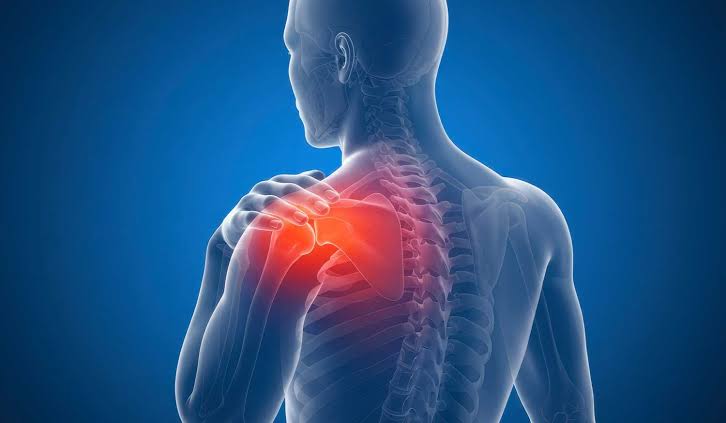
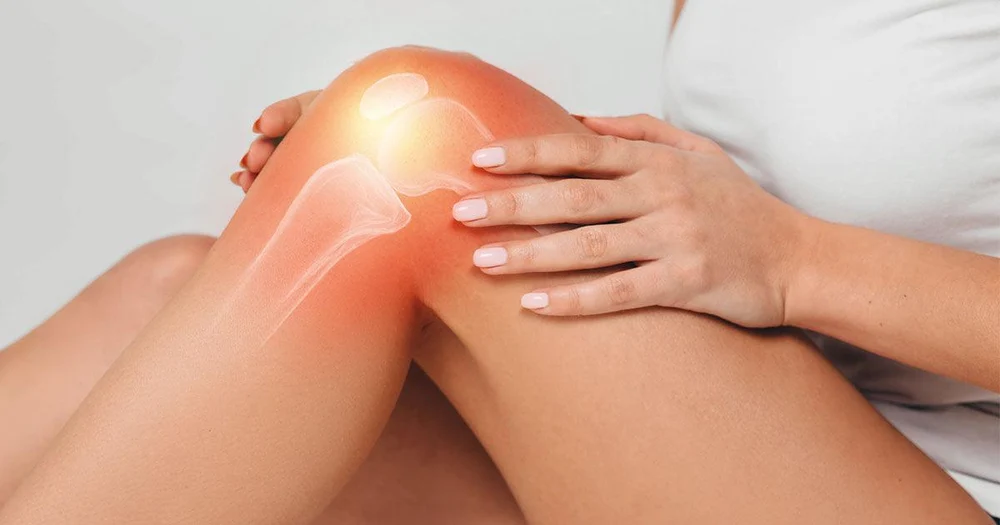
If you are asking yourself, “How do I get rid of musculoskeletal pain?”, you are likely dealing with persistent joint stiffness, muscle aching, or nerve irritation that affects your daily productivity and overall quality of life. Whether it manifests as lower back tightness after sitting at an office desk for hours, knee grinding that prevents you from walking comfortably, or shoulder stiffness that interrupts your sleep, chronic body pain can make routine daily activities feel daunting.
For thousands of active adults and busy working professionals across Hyderabad, body pain often becomes an ongoing struggle. Many individuals rely on temporary relief strategies—such as popping daily over-the-counter anti-inflammatory pills, using topical heating gels, or taking extended rest breaks—hoping the discomfort will resolve on its own over time.
However, when pain persists beyond a few weeks, relying solely on surface remedies fails to resolve the underlying anatomical generator. Understanding how targeted non-surgical pain relief addresses localized tissue inflammation, joint degeneration, and heightened nerve sensitivity empowers you to find lasting comfort and regain your daily functional independence.
What Is Musculoskeletal Pain?
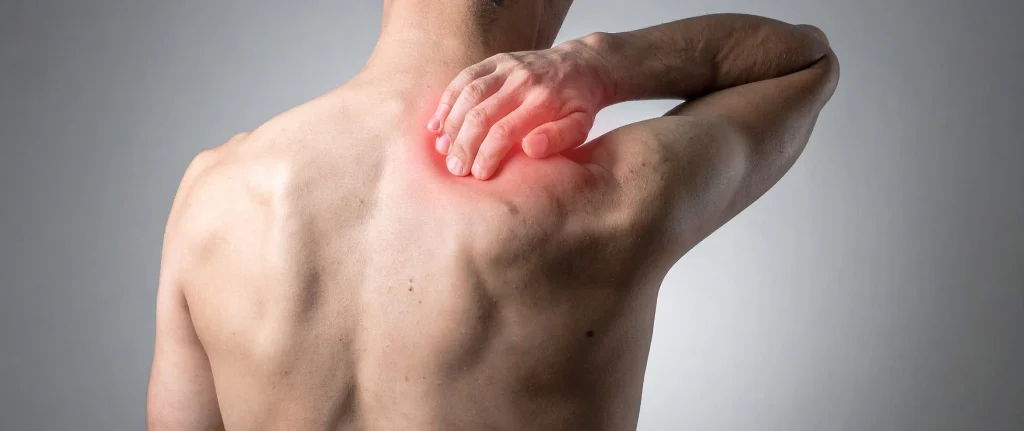
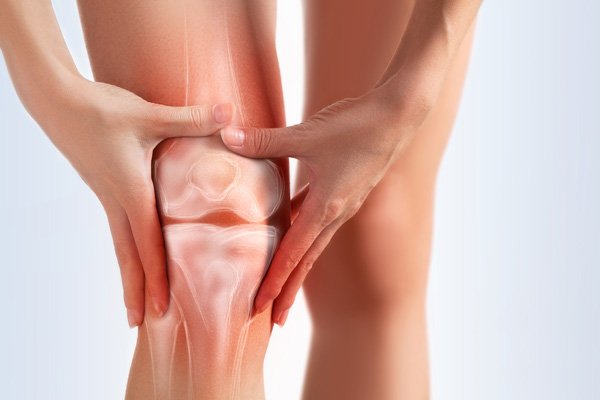
Musculoskeletal pain refers to discomfort originating from the complex network of muscles, bones, joints, ligaments, tendons, or bursae throughout the body. It can be acute or chronic, stemming from sudden trauma, repetitive strain, postural imbalances, or progressive degenerative wear like osteoarthritis.
Musculoskeletal System: Three Main Components
The musculoskeletal system supports the body, enables movement, and helps maintain stability. It includes bones, cartilage, muscles, tendons, ligaments, and structures surrounding joints.
1. Hard Tissues
- Bones: Provide structural support, protect internal organs, and help the body move.
- Cartilage: Cushions joint surfaces and reduces friction during movement.
2. Soft Tissues
- Muscles: Generate force to produce movement.
- Tendons: Connect muscles to bones and transmit force.
- Ligaments: Connect bones to other bones and help stabilize joints.
3. Joint-Associated Structures
- Synovium: Lines many joint cavities and produces synovial fluid to help lubricate joints.
- Bursae: Small, fluid-filled sacs that reduce friction between tissues around joints.
According to clinical research supported by the International Association for the Study of Pain (IASP) and the Indian Society for the Study of Pain (ISSP), musculoskeletal conditions represent the leading contributor to physical disability worldwide. Rather than existing as a single isolated complaint, persistent body pain often involves soft tissue micro-tears, muscle guarding, and localized neurogenic inflammation.
How Is Interventional Pain Management Different from Standard Care?
Finding clear answers on how do I get rid of musculoskeletal pain requires understanding how specialized interventional pain medicine differs from general primary care and major surgical reconstruction.
Traditional Pain Care vs. Interventional Pain Medicine
Pain management can involve medications, physical rehabilitation, lifestyle changes, and targeted procedures. The right approach depends on the cause, severity, and duration of the pain.
| Aspect | Traditional Pain Care | Interventional Pain Medicine |
|---|---|---|
| Treatment approach | May include oral medications, physiotherapy, and other conservative treatments. | Uses targeted procedures, such as injections or nerve blocks, when clinically appropriate. |
| Treatment target | May act throughout the body or address the affected area through rehabilitation. | Aims at a specific anatomical structure or pain pathway. |
| Image guidance | Usually not required for routine medication or physiotherapy. | Ultrasound or fluoroscopy may guide procedures to improve anatomical precision. |
| Pain relief | May reduce symptoms and improve daily function. | May reduce pain by targeting inflammation or interrupting pain signals. |
| Recovery and risks | Depends on the treatment; medications can cause side effects. | Depends on the procedure; risks can include bleeding, infection, nerve injury, or temporary soreness. |
Standard Primary Care & Oral Medications
Routine medical care frequently relies on oral non-steroidal anti-inflammatory drugs (NSAIDs), muscle relaxants, and topical analgesics. While helpful during brief acute flare-ups, taking oral medications long-term carries risks of gastric irritation, stomach ulcers, kidney stress, and elevated blood pressure. Crucially, pills circulate through your entire bloodstream rather than concentrating on the single inflamed tendon, joint capsule, or nerve root causing your pain.
Traditional Surgical Interventions
When conservative oral medications fail, patients are sometimes told that major surgical operations (such as joint replacement or spinal fusion) are their only remaining choices. While open surgery is necessary for severe structural collapse or neurological emergencies, major operations involve general anesthesia, structural disruption, extended hospital stays, and lengthy rehabilitation timelines.
The Interventional Specialty Approach
An interventional pain doctor utilizes real-time dynamic imaging—such as high-resolution musculoskeletal ultrasound and live C-arm fluoroscopy—to pinpoint the exact generator of your pain. By delivering concentrated anti-inflammatory agents, radiofrequency thermal energy, or regenerative plasma directly to damaged tissues, interventional specialists provide effective, non-surgical relief with minimal procedural downtime and zero surgical incisions.
How an Image-Guided Interventional Pain Workflow Works
When body pain persists despite rest and routine medications, interventional specialists follow a structured, step-by-step clinical process to isolate and treat the pain source.
1.Step 1: Clinical Evaluation & Image-Guided Diagnostic Mapping: Locating the precise anatomical pain generator.
A comprehensive physical evaluation assesses joint range of motion, muscle tenderness, and movement mechanics. High-resolution MRI, CT, or ultrasound scans are analyzed to identify structural abnormalities in joints, tendons, or nerve paths.
2.Step 2: Patient Positioning & Local Anesthesia: Ensuring complete patient comfort in an outpatient suite.
The patient rests comfortably in an outpatient procedure suite. The skin over the targeted anatomical area is thoroughly sterilized, and a local numbing agent is applied to ensure procedural comfort.
3.Step 3: Real-Time Precision Image Guidance: Sub-millimeter guidance using live ultrasound or X-ray.
Using continuous ultrasound or live fluoroscopy (C-arm X-ray), the specialist advances a micro-fine needle precisely toward the targeted joint space, inflamed bursa, or sensory nerve pathway.
4.Step 4: Targeted Therapeutic Delivery or Nerve Modulation: Calming inflammation or stimulating natural repair.
A diagnostic contrast dye verifies needle location before delivering anti-inflammatory agents, concentrated autologous Platelet-Rich Plasma (PRP), or thermal radiofrequency energy to quiet hyperactive pain signals.
5.Step 5: Post-Procedure Recovery & Functional Rehabilitation: Same-day return home with a tailored rehab roadmap.
Following a brief 20-to-30-minute observation period, the patient returns home the same day and receives a guided physical rehabilitation plan to restore strength and joint balance.
Comparing Non-Surgical Interventional Pain Treatment Options
Understanding how do I get rid of musculoskeletal pain involves matching your specific anatomical diagnosis with the appropriate interventional procedure.
Treatment Comparison Table
| Procedure Category | Target Mechanism | Ideal Candidates | Expected Relief Duration |
| Platelet-Rich Plasma (PRP) Therapy | Concentrated autologous growth factors injected into damaged tendons or joint cartilage | Tendinopathy, partial ligament tears, early knee or hip osteoarthritis | Clinical experience suggests long-term relief (months to years) |
| Radiofrequency Ablation (RFA) | Thermal energy desensitizes sensory nerves transmitting joint or spine pain | Chronic facet joint arthritis, knee osteoarthritis pain, sacroiliac joint pain | Typically 6 to 18+ months |
| Ultrasound-Guided Corticosteroid Injections | Targeted delivery of potent anti-inflammatory agents into swollen joint capsules or bursae | Acute bursitis, severe joint swelling, tendon sheath inflammation | Typically 2 to 6 months |
| Trigger Point Injections | Localized injections into hyperirritable muscle knots to release persistent spasms | Myofascial pain syndrome, chronic neck/shoulder tightness | Weeks to months when combined with physical therapy |
Who Is Suitable for Interventional Pain Treatments?
Recognizing your eligibility early helps you access modern non-surgical care before chronic muscle guarding or joint stiffness worsens.
You May Be a Candidate If:
- You have experienced localized muscle, joint, or spinal pain lasting longer than 4 to 6 weeks.
- Pain restricts your ability to walk comfortably, climb stairs, sit at a desk, or enjoy restful sleep.
- Oral painkillers cause stomach upset, acid reflux, elevated blood pressure, or mental fog.
- You wish to delay or avoid major open surgery through targeted non-surgical approaches.
- Routine rest, massage, and general physical therapy have provided incomplete or short-term symptom relief.
What to Expect: Before, During, and After Treatment
Knowing what occurs during an image-guided outpatient procedure helps reduce anxiety and ensures a smooth recovery.
Before the Procedure
Your specialist will review your full medical history, evaluate your mobility, and analyze previous imaging scans. You will receive clear guidance regarding pre-procedure preparations and temporary adjustments to any blood-thinning medications if necessary.
During the Procedure
- Outpatient Comfort: Procedures take place in a clean day-care setting, usually taking only 15 to 30 minutes.
- Minimal Discomfort: Local anesthesia numbs the skin and superficial tissue pathways, making needle guidance well tolerated.
- Live Precision Guidance: Continuous ultrasound or fluoroscopy keeps needle guidance exact and away from sensitive non-targeted structures.
After the Procedure
- Same-Day Return Home: You can safely return home shortly after a brief recovery observation period.
- Rapid Return to Activity: Most patients resume light, routine daily activities within 24 to 48 hours.
- Targeted Physical Rehabilitation: Guided exercises begin shortly after to strengthen surrounding stabilizing muscles and prevent future pain recurrences.
Practical Evidence-Based Self-Management Strategies
In addition to medical evaluation, incorporating practical daily habits helps manage acute muscle and joint stiffness naturally:
- Maintain Consistent Gentle Movement: Avoid prolonged bed rest, which can worsen joint stiffness and lead to muscle weakness; engage in low-impact walking or swimming instead.
- Apply Heat or Cold Therapy Appropriately: Use cool ice packs for acute joint swelling or recent injury, and apply moist heat pads to relax chronic, tight muscle spasms.
- Optimize Workplace Ergonomics: Position your computer monitor at eye level, maintain supportive lumbar posture, and take a brief 2-minute movement break every 45 minutes.
- Prioritize Hydration and Sleep Hygiene: Adequate hydration supports cartilage fluid health, while 7 to 8 hours of restful sleep allows muscle tissues to repair overnight.
- Practice Targeted Muscle Stretching: Perform gentle, non-forced stretches for your hamstrings, hip flexors, and upper back to reduce mechanical strain on your spine and joints.
When Should You Consider Seeing an Interventional Pain Specialist in Hyderabad?
If you have been managing chronic pain for more than 6 weeks with limited relief from medication or physiotherapy, a consultation with a fellowship-trained interventional pain specialist is the logical next step. Dr. P. Purohithi at Apollo Hospital, Kondapur, Hyderabad, specialises in precisely diagnosing and treating the source of your pain using image-guided, minimally invasive techniques — without defaulting to surgery.
Holding prestigious international qualifications including FIPM (Fellowship in Interventional Pain Management) and IDRA, Dr. Purohithi serves as the lead specialist at Meraki Pain Management Center. By combining precise diagnostic evaluations with live fluoroscopic and ultrasound-guided procedures—such as radiofrequency ablation, PRP therapy, and targeted nerve blocks—Dr. Purohithi creates individualized treatment plans tailored to resolve your body pain and restore your daily mobility.
When seeking a trusted pain clinic Hyderabad residents rely on, receiving an accurate diagnostic evaluation is the first step toward lasting health.
Frequently Asked Questions
How do I know if my musculoskeletal pain is serious?
If your pain is accompanied by severe weakness in an arm or leg, sudden numbness, unexplained weight loss, or difficulty controlling bowel or bladder function, seek immediate emergency medical evaluation.
What is the fastest way to get rid of musculoskeletal pain?
For acute minor strains, resting from heavy strain, applying ice packs, and performing gentle stretches offer quick temporary relief. For chronic or severe pain, image-guided interventional procedures provide targeted, long-lasting relief.
Is PRP therapy painful for chronic muscle or joint pain?
PRP therapy involves a simple blood draw followed by a precise, ultrasound-guided injection. Local numbing anesthetic is used beforehand, making the procedure well tolerated with only mild temporary pressure.
How long does radiofrequency ablation last for joint pain?
Clinical experience suggests that radiofrequency ablation typically provides substantial joint or spine pain relief lasting from 6 to 18 months or longer. The procedure can be safely repeated if nerve sensation gradually returns over time.
How do I know if I need a pain specialist Kondapur?
If muscle, joint, or back pain lasts longer than 4 weeks, disrupts daily work, or fails to improve after standard care, consulting a pain specialist Kondapur can help identify non-surgical treatment options.
What is the difference between an orthopedic surgeon and an interventional pain doctor?
Orthopedic surgeons focus primarily on open surgical joint repairs and replacements under general anesthesia. An interventional pain management specialist Hyderabad focuses on non-surgical, image-guided procedures to relieve pain while preserving native joint and spine structures.
Can interventional procedures help me avoid major surgery?
In many cases, yes. By accurately targeting the pain generator with image-guided injections, PRP therapy, or radiofrequency ablation, interventional procedures effectively control pain, allowing patients to delay or avoid open surgery.
How can I book a consultation with Dr. P. Purohithi at Meraki Pain Management Center?
You can schedule an evaluation with Dr. P. Purohithi at Meraki Pain Management Center, located within Apollo Hospital, Kondapur, Hyderabad, by calling +91 88856 23283 or booking online via the official clinic portal.
Reclaim Your Comfort and Live Pain-Free
Chronic muscle and joint discomfort should not force you to choose between taking daily pills or undergoing major open surgery. Understanding how do I get rid of musculoskeletal pain reveals safe, image-guided procedures designed to reduce tissue inflammation and restore your daily movement.
If you are considering non-surgical treatment in Hyderabad, Dr. P. Purohithi at Meraki Pain Management Center (Apollo Hospital, Kondapur) offers a thorough diagnostic consultation before recommending any procedure.
Take control of your health and explore advanced non-surgical treatment options today.


Leave a Comment