
Table of Contents
What Are the Treatment Options Before Knee Replacement? A Comprehensive Patient Guide
When chronic joint stiffness and sharp catching pain make walking a chore, exploring treatment options before knee replacement becomes a vital step toward protecting your independence. Many patients facing knee osteoarthritis assume that their only long-term choices are taking daily pain pills or undergoing major open surgery.
For active adults, professionals, and seniors in Hyderabad, knee pain often gradually disrupts daily life. Simple activities like climbing stairs, taking evening walks, or standing up after sitting at a desk can become painful challenges.
Fortunately, modern interventional pain medicine offers advanced middle-ground therapies that fill the gap between standard medications and major joint surgery. By using precision image-guided procedures, a pain management specialist Hyderabad can treat knee pain at its precise source—helping you delay or avoid major surgery while restoring comfortable movement.
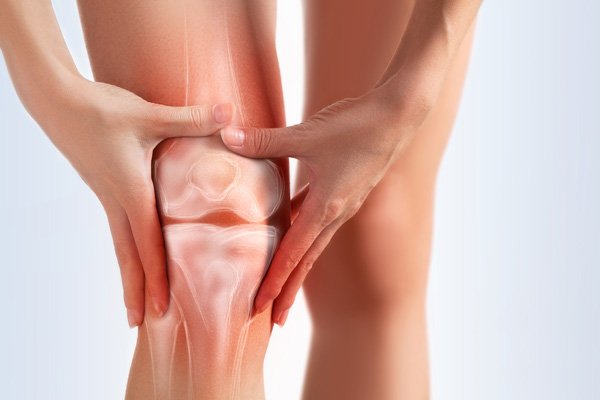
What Are Advanced Non-Surgical Knee Treatments?
Treatment options before knee replacement encompass a structured spectrum of image-guided interventional procedures—including genicular nerve radiofrequency ablation (RFA), Platelet-Rich Plasma (PRP) therapy, hyaluronic acid viscosupplementation, and targeted anti-inflammatory injections—designed to reduce joint inflammation, desensitize sensory nerve pathways, and restore mobility without open surgery.
According to clinical research supported by the International Association for the Study of Pain (IASP) and the Indian Society for the Study of Pain (ISSP), knee osteoarthritis involves the whole joint complex. Managing chronic knee pain effectively requires targeting both intra-articular inflammation and hyperactive genicular nerve pathways.
How Is Interventional Pain Management Different from Standard Treatment?
Understanding treatment options before knee replacement requires evaluating how interventional pain medicine differs from basic conservative care and major joint surgery.
Standard Conservative Care
Initial management usually includes oral non-steroidal anti-inflammatory drugs (NSAIDs), topical pain gels, weight management, and basic physical therapy. While helpful during early stages, long-term oral pain medications can cause stomach ulcers, kidney stress, and cardiovascular risks. Additionally, pills circulate systemically throughout the body rather than concentrating directly where knee cartilage friction occurs.
Major Surgical Reconstruction
When standard pills fail to provide relief, patients are frequently told that Total Knee Arthroplasty (TKA) is their only option. While joint replacement surgery can be effective for end-stage bone-on-bone arthritis, open surgery carries inherent surgical risks, requires extended hospital stays, and involves months of painful rehabilitation. Furthermore, many individuals with cardiac or diabetic conditions are not ideal candidates for open surgery under general anesthesia.
The Interventional Specialty Approach
An interventional pain doctor utilizes real-time dynamic imaging—such as high-resolution musculoskeletal ultrasound and live fluoroscopy (C-arm X-ray)—to deliver precise therapies directly to the painful structures. By numbing sensory genicular nerves or injecting regenerative agents into the joint capsule, interventional specialists provide effective non-surgical pain relief that preserves native joint structures with zero surgical downtime.
How Genicular Nerve Radiofrequency Ablation Works: Step-by-Step
When chronic joint wear causes severe pain during walking or standing, genicular nerve radiofrequency ablation (RFA) offers a precise, non-surgical method to shut down chronic pain signaling.
1.Clinical Evaluation & Fluoroscopic Target Mapping: Precise anatomical mapping under live imaging.
A thorough physical evaluation assesses joint stability and tenderness. In an outpatient procedure suite, live fluoroscopy (C-arm X-ray) is positioned to visualize the bony landmarks of the femur and tibia where sensory genicular nerves travel.
2.Local Anesthesia & Diagnostic Nerve Block: Confirming the nerve pathways responsible for joint pain.
The skin around the knee is thoroughly numbed. Micro-doses of local anesthetic are placed precisely near the superior lateral, superior medial, and inferior medial genicular nerves to confirm they are transmitting the pain signals.
3.Precision Cannula Placement: Sub-millimeter guidance under live X-ray visualization.
Using live fluoroscopy for continuous visual guidance, specialized radiofrequency cannulas are advanced directly to the periosteal sites of the target genicular nerves along the upper and lower knee joint margins.
4.Controlled Thermal Radiofrequency Ablation: Interrupting pain transmission while preserving motor function.
Thermal energy is applied through the electrode tip for 60 to 90 seconds per nerve. This creates a tiny, controlled thermal lesion that desensitizes the sensory nerve fibers, preventing pain signals from reaching the brain while leaving motor function completely intact.
5.Post-Procedure Recovery & Guided Rehabilitation: Same-day discharge with a progressive physical therapy roadmap.
Following a short 30-minute observation in a recovery suite, the patient experiences immediate relief and returns home the same day with a tailored physical therapy plan to strengthen supporting quadriceps muscles.
Comparing Treatment Options Before Knee Replacement
Choosing the right non-surgical procedure depends on matching your specific stage of knee arthritis and pain severity with the appropriate interventional therapy.
Treatment Comparison Table
| Procedure Category | Target Mechanism | Ideal Candidates / Conditions | Expected Duration of Relief |
| Genicular Nerve Radiofrequency Ablation (RFA) | Thermal desensitization of sensory nerve branches around the knee | Moderate to severe (Grade 3–4) knee osteoarthritis, persistent post-surgical pain | Typically 9 to 24 months |
| Platelet-Rich Plasma (PRP) Therapy | Intra-articular injection of concentrated autologous growth factors | Mild to moderate (Grade 1–3) osteoarthritis, active patients | Clinical experience suggests 6 to 18 months |
| Viscosupplementation (Hyaluronic Acid) | Injection of synthetic joint fluid to lubricate cartilage surfaces | Mild knee stiffness, mechanical friction, early cartilage wear | Typically 6 to 12 months |
| Corticosteroid Intra-Articular Injection | Targeted delivery of potent anti-inflammatory medication | Acute joint swelling, severe inflammatory flare-ups | Typically 2 to 4 months |
Who Is Suitable for Non-Surgical Knee Care?
Recognizing whether you are a good candidate for non-surgical interventional options helps you make proactive decisions before total joint wear sets in.
You May Be a Candidate If:
- You have experienced knee pain, stiffness, or catching sensations for longer than 4 to 6 weeks.
- Knee pain prevents you from walking comfortably, climbing stairs, or standing for long periods.
- Oral anti-inflammatory pills cause stomach upset, acidity, or elevated blood pressure.
- You wish to delay or avoid total knee replacement surgery due to personal preference, age, or medical risk factors.
- You continue to experience persistent knee pain even after a previous joint surgery.
What to Expect: Before, During, and After Treatment
Knowing what occurs during an image-guided outpatient procedure helps reduce anxiety and ensures a smooth recovery.
Before the Procedure
Your specialist will review your knee X-rays or MRI scans, examine joint flexibility, and discuss your personal activity goals. Clear guidance will be provided regarding pre-procedure preparations and any necessary medication adjustments.
During the Procedure
- Comfortable Setup: Performed in a clean outpatient day-care setting, procedures usually take only 20 to 40 minutes.
- Minimal Discomfort: Local anesthetic numbs the skin and tissue layers, making needle guidance well tolerated.
- Live Precision Imaging: Real-time ultrasound or fluoroscopy ensures therapeutic agents or thermal electrodes are placed with sub-millimeter accuracy.
After the Procedure
- Same-Day Return Home: You can safely return home shortly after a brief recovery observation period.
- Quick Functional Recovery: Most patients resume light, routine daily activities within 24 to 48 hours.
- Targeted Rehabilitation: Guided physical therapy exercises begin shortly after to strengthen surrounding muscles and improve joint stability.
Can I Avoid Knee Replacement Surgery with Treatment?
For many patients, exploring modern treatment options before knee replacement offers an effective way to avoid open joint surgery altogether. While total joint replacement remains an important option for advanced structural failure, interventional pain medicine provides non-surgical alternatives that control chronic pain effectively.
By desensitizing sensory nerves with radiofrequency ablation or calming intra-articular inflammation with PRP therapy, these image-guided treatments can reduce pain and restore daily mobility—allowing patients to stay active without undergoing open surgery.
When Should You Consider Seeing an Interventional Pain Specialist in Hyderabad?
If you have been managing chronic knee pain for more than 6 weeks with limited relief from medication or physiotherapy, a consultation with a fellowship-trained interventional pain specialist is the logical next step. Dr. P. Purohithi at Apollo Hospital, Kondapur, Hyderabad, specializes in precisely diagnosing and treating the source of your pain using image-guided, minimally invasive techniques—without defaulting to surgery.
Holding prestigious international qualifications including FIPM (Fellowship in Interventional Pain Management) and IDRA, Dr. Purohithi serves as the lead specialist at Meraki Pain Management Center. By combining precise diagnostic evaluations with live fluoroscopic and ultrasound-guided procedures—such as genicular nerve ablation, PRP therapy, and viscosupplementation—Dr. Purohithi creates individualized treatment plans tailored to restore knee joint function and help you live comfortably without surgery.
When seeking a trusted pain clinic Hyderabad residents rely on, receiving an accurate diagnostic evaluation is the first step toward lasting mobility.
Frequently Asked Questions
What are the best treatment options before knee replacement?
The best non-surgical options include genicular nerve radiofrequency ablation (RFA) for long-term pain relief, Platelet-Rich Plasma (PRP) therapy to support the joint environment, and hyaluronic acid injections for joint lubrication.
Can PRP therapy help me avoid knee replacement surgery?
In cases of mild to moderate knee osteoarthritis, ultrasound-guided PRP therapy can significantly reduce intra-articular inflammation and pain, helping patients improve function and delay or avoid open surgery.
Is radiofrequency ablation safe for managing severe knee pain?
Yes. When performed by a fellowship-trained interventional pain doctor using real-time fluoroscopic C-arm guidance, genicular nerve radiofrequency ablation is a safe, outpatient procedure with a high safety profile.
How long does relief from genicular nerve ablation last?
Clinical experience suggests that genicular nerve ablation typically provides substantial knee pain relief lasting from 9 to 24 months. Because the procedure is non-surgical, it can be safely repeated if nerve sensation gradually returns over time.
How do I know if I need a pain specialist Kondapur?
If knee pain limits your ability to walk, disrupts your sleep, or fails to improve after 4 to 6 weeks of standard care, consulting a pain specialist Kondapur can help identify targeted non-surgical options.
What is the difference between an orthopedic surgeon and a pain specialist?
Orthopedic surgeons focus primarily on surgical joint repairs and total knee replacements. An interventional pain specialist focuses on non-surgical, image-guided procedures to relieve pain and restore function while preserving native joint structures.
How quickly can I walk after a non-surgical knee procedure?
Most patients walk out of the clinic immediately after the procedure and can resume light, routine daily activities within 24 to 48 hours.
How can I book a consultation with Dr. P. Purohithi at Apollo Hospital Kondapur?
You can schedule an evaluation with Dr. P. Purohithi at Meraki Pain Management Center, located within Apollo Hospital, Kondapur, Hyderabad, by calling +91 88856 23283 or booking online via the official clinic portal.

Reclaim Your Mobility and Walk Without Knee Pain
Chronic knee pain should not force you to choose between taking daily pills or undergoing major open surgery. Understanding the available treatment options before knee replacement opens the door to safe, image-guided procedures designed to reduce joint pain and restore your daily independence.
If you are considering non-surgical knee treatment in Hyderabad, Dr. P. Purohithi at Meraki Pain Management Center (Apollo Hospital, Kondapur) offers a thorough diagnostic consultation before recommending any procedure.


Leave a Comment