

Table of Contents
How to Fix a Swollen, Twisted Ankle: A Complete Recovery Guide
Stepping awkwardly off a curb, misjudging a step during an evening walk, or twisting your foot on an uneven surface can instantly turn an ordinary day into a painful ordeal. Knowing how to fix a swollen, twisted ankle immediately after an injury is crucial for managing initial pain, reducing tissue swelling, and preventing long-term instability.
For many active adults and busy working professionals in Hyderabad, ankle sprains are a common setback. Whether navigating crowded city streets, exercising, or playing weekend sports, a sudden inversion or eversion of the ankle joint can stretch or tear the supportive ligaments, leaving you unable to bear weight and wondering how quickly you can recover.
While initial home care provides crucial immediate relief, persistent ankle stiffness, throbbing pain, or lingering instability requires dedicated medical attention. Consulting a pain management specialist Hyderabad can help identify ligament injury severity and provide targeted, non-surgical treatment to ensure complete functional recovery.
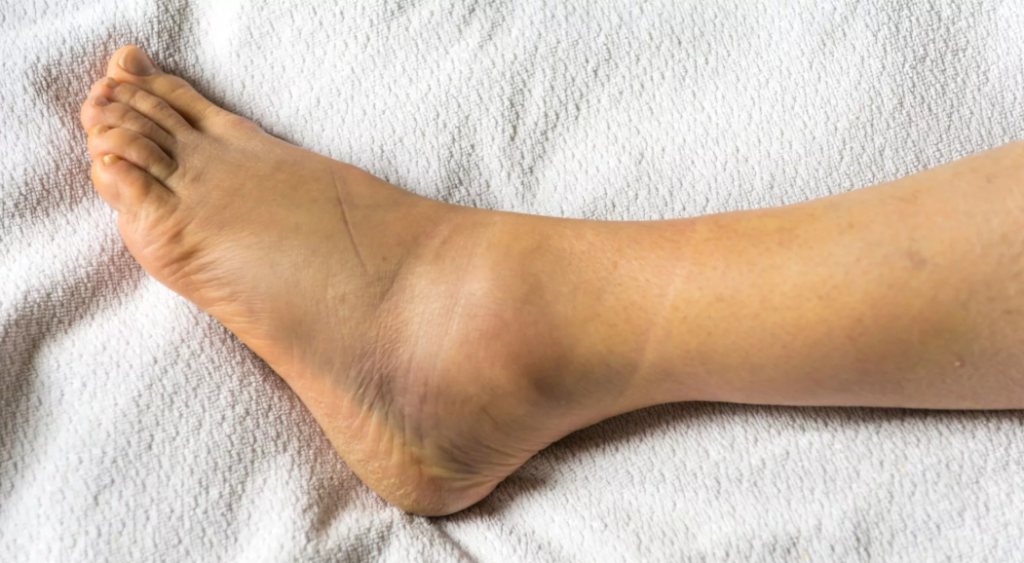
What Is a Swollen, Twisted Ankle and Why Does It Cause Pain?
A swollen, twisted ankle (an acute ankle sprain) occurs when sudden mechanical twisting forces stretch or tear the soft tissue ligaments that stabilize the ankle joint. The resulting intense pain and rapid swelling stem from acute localized tissue inflammation, internal micro-bleeding, fluid accumulation (edema), and heightened stimulation of joint pain receptors.
According to clinical standards supported by the International Association for the Study of Pain (IASP) and the Indian Society for the Study of Pain (ISSP), an ankle sprain is an anatomical soft tissue injury rather than a simple surface bruise. Most commonly, the anterior talofibular ligament (ATFL) on the outer ankle is affected, triggering an immediate inflammatory protective response that causes throbbing pain and movement restriction.
How Common Are Ankle Sprains in Hyderabad?
Ankle injuries represent one of the most frequent musculoskeletal complaints treated in outpatient clinics across urban India. In bustling cities like Hyderabad, diverse daily factors contribute to a high incidence of ankle sprains:
- Urban Infrastructure & Footwear: Navigating uneven pavements, broken footpaths, high heels, or unsupportive footwear frequently leads to accidental trips and ankle inversion.
- Active Sports & Fitness: Weekend sports enthusiasts participating in badminton, football, or running across local sports complexes in Kondapur and Gachibowli regularly encounter acute ligament sprains.
- Workplace Distractions: Desk workers quickly stepping out for breaks or rushing through multi-story office complexes can easily roll their ankles on staircases or slippery floors.
Left unmanaged or improperly rehabilitated, up to 30% of acute ankle sprains progress to chronic ankle instability—a frustrating state where the joint feels weak, wobbly, and prone to repeated sprains during routine walking.
Signs and Symptoms: Recognizing Ankle Injury Severity
When evaluating how to fix a swollen, twisted ankle, recognizing the severity of soft tissue damage guides the timeline for safe recovery:
- Immediate Acute Pain: A sharp, tearing sensation at the moment of injury, followed by a continuous throbbing ache around the outer or inner ankle bone.
- Rapid Swelling & Fluid Accumulation: Noticeable puffiness and swelling expanding across the joint within minutes to hours after the twist.
- Bruising & Ecchymosis: Blue, purple, or dark red discoloration developing as damaged capillaries release small amounts of blood into surrounding tissues.
- Difficulty Bearing Weight: Severe pain or a feeling of joint weakness when attempting to stand or take steps.
- Restricted Range of Motion: Stiffness that prevents bending, extending, or rotating the foot normally.
Why Standard Home Remedies Often Fall Short for Lingering Ankle Pain
When an ankle injury occurs, most people turn to standard home care routines like resting, applying ice, or taking over-the-counter painkillers. While these measures help control acute inflammation during the first 48 hours, they have clear medical limitations:
Painkillers Mask Symptoms Without Healing Tissue
Oral anti-inflammatory drugs temporary dull pain signals, but they do not repair torn ligament fibers or restore joint alignment. Relying solely on pain pills can lead to premature weight-bearing, risking secondary joint damage.
Prolonged Rest Leads to Stiffness and Muscle Weakness
While resting protects damaged tissues during the initial acute phase, keeping the joint immobilized for too long leads to joint capsule stiffness, scar tissue accumulation, and weakening of the surrounding peroneal muscles.
Incomplete Rehabilitation Causes Chronic Instability
Without targeted ligament healing and balance (proprioceptive) retraining, stretched ligaments remain loose. This leaves the ankle vulnerable to recurrent twisting, cartilage wear, and persistent chronic pain.
Interventional Non-Surgical Treatment Options for Chronic Ankle Pain
When ankle pain, stiffness, or instability persists beyond 4 to 6 weeks, modern interventional pain medicine offers advanced non-surgical pain relief options designed to restore tissue integrity and quiet hyperactive pain nerves.
Structured Interventional Treatment Summary
| Treatment Option | How It Works | Primary Clinical Indication | Expected Relief Duration |
| Ultrasound-Guided Diagnostic Evaluation | Real-time high-frequency imaging to visualize ligament tears, fluid buildup, and joint alignment | Acute sprain assessment & chronic instability screening | Immediate diagnostic clarity |
| Platelet-Rich Plasma (PRP) Therapy | Concentrated autologous growth factors injected precisely into damaged ligaments under ultrasound | Grade II sprains, delayed ligament healing, chronic tendinopathy | Long-term regenerative support (months to years) |
| Peroneal & Tibial Nerve Block / Radiofrequency Modulation | Image-guided delivery of localized numbing agents or thermal energy to quiet irritated ankle nerves | Persistent neuropathic ankle pain, severe post-traumatic pain | Weeks to months (or extended relief with RFA) |
| Targeted Prolotherapy / Sclerotherapy | Specialized hypertonic injections that stimulate localized collagen formation and strengthen loose ligaments | Chronic ankle instability, loose ligamentous capsule | Progressive, long-term joint stabilization |

What Does the Treatment Process Look Like?
Understanding the clinical care pathway relieves anxiety and establishes clear expectations for recovery.
- Comprehensive Diagnostic Assessment: Your initial consultation involves a detailed physical examination, mobility testing, and high-resolution musculoskeletal ultrasound to evaluate ligament continuity and joint stability.
- Customized Treatment Plan: Based on your injury grade and activity goals, a non-surgical care plan is created, combining targeted regenerative injections or nerve modulation with guided physical rehabilitation.
- Outpatient Image-Guided Procedure: Procedures such as PRP therapy or targeted nerve blocks are performed in an outpatient setting using live ultrasound guidance for exact millimetric precision and safety.
- Focused Mobilization & Proprioceptive Retraining: As acute pain subsides, guided exercises strengthen stabilizing muscles, improve ankle balance, and prevent future twisting injuries.
- Ongoing Progress Monitoring: Follow-up evaluations ensure that your ankle regains full strength and stability, allowing you to return to work, sports, and daily activities with confidence.
Practical Self-Management and Step-by-Step Home Care
For immediate first aid during the first 48 to 72 hours following an acute ankle twist, following an updated evidence-based protocol helps manage swelling safely:
- Protect the Joint: Stop physical activity immediately and use a supportive ankle brace or wrap to prevent further twisting.
- Elevate Above Heart Level: Prop your foot on pillows while resting to encourage excess fluid to drain away from the ankle joint, reducing swelling.
- Apply Cold Compression: Use a ice pack wrapped in a thin towel for 15 to 20 minutes at a time, 3 to 4 times daily, to calm acute inflammatory discomfort.
- Gentle Early Movement: As acute pain eases, perform light, non-weight-bearing ankle circles or point-and-flex movements within a comfortable range to maintain circulation.
- Avoid Aggressive Massage Initially: Refrain from deep tissue massage over newly injured ligaments during the acute phase, as this can increase internal bleeding and tissue swelling.
When Is It Time to See an Interventional Pain Specialist in Hyderabad?
If your ankle remains significantly swollen, bruised, or painful to walk on after several days of home care—or if you suffer from recurrent ankle twisting—a consultation with a fellowship-trained interventional pain specialist is recommended. Dr. P. Purohithi at Apollo Hospital, Kondapur, Hyderabad, specializes in accurately diagnosing ligament injuries and providing advanced, non-surgical treatment options using real-time ultrasound guidance—without defaulting to major surgery.
Holding elite credentials including FIPM (Fellowship in Interventional Pain Management) and IDRA, Dr. Purohithi brings expertise to Meraki Pain Management Center. By combining precise diagnostic evaluations with targeted regenerative treatments like PRP therapy and image-guided nerve blocks, Dr. Purohithi helps patients achieve lasting pain relief and rebuild strong, stable ankle joints.
Frequently Asked Questions
How long does a swollen, twisted ankle take to heal completely?
A mild ankle sprain typically improves within 2 to 4 weeks with proper conservative care. However, moderate to severe ligament sprains or chronic instability can take 8 to 12 weeks or longer, often requiring targeted rehabilitation or non-surgical therapy.
Can I walk on a swollen, twisted ankle right away?
If walking causes severe, sharp pain or if your ankle feels completely unstable, avoid bearing weight and seek a medical evaluation to rule out bone fractures or high-grade ligament tears.
How do I know if my ankle is sprained or broken?
While both conditions cause pain, swelling, and bruising, a fracture often presents with pinpoint bone tenderness directly over the ankle bones, inability to take even four steps, or visible joint deformity. An X-ray or ultrasound provides a definitive diagnosis.
Is PRP therapy effective for persistent ankle ligament pain?
Yes. Ultrasound-guided Platelet-Rich Plasma (PRP) therapy delivers concentrated growth factors directly to damaged ligament fibers, stimulating natural tissue repair and reducing chronic pain in lingering sprains.
How do I know if I need a pain management specialist for an ankle injury?
If ankle pain, stiffness, or a feeling of joint weakness persists beyond 4 weeks despite rest and basic physical therapy, an interventional pain doctor can evaluate your joint for hidden ligament tears or nerve irritation.
Are nerve blocks safe for managing severe ankle pain?
Yes. Image-guided nerve blocks targeting peripheral sensory nerves around the ankle are safe, outpatient procedures that provide localized pain relief, helping patients participate more comfortably in physical rehabilitation.
What is the difference between a pain specialist and an orthopedic surgeon?
An orthopedic surgeon focuses primarily on surgical repairs and joint reconstructions. An interventional pain specialist Kondapur utilizes non-surgical, image-guided procedures and regenerative techniques to relieve pain and restore function without open surgery.
How can I book an appointment with Dr. P. Purohithi at Meraki Pain Management Center?
You can schedule a consultation with Dr. P. Purohithi at Meraki Pain Management Center, located within Apollo Hospital, Kondapur, Hyderabad, by calling +91 88856 23283 or booking online via the official clinic website.

Reclaim Your Mobility with Confidence
Living with a painful, unstable ankle limits your daily freedom and increases the risk of future falls. Knowing how to fix a swollen, twisted ankle through safe first aid and timely medical care gives you the best pathway to complete functional recovery.
Struggling with a swollen, twisted ankle or lingering joint pain in Hyderabad? Dr. P. Purohithi at Meraki Pain Management Center (Apollo Hospital, Kondapur) offers image-guided, non-surgical treatment options to help you walk pain-free.




Leave a Comment