
Table of Contents
Why Does My Hand Hurt When I Lift Something Heavy?
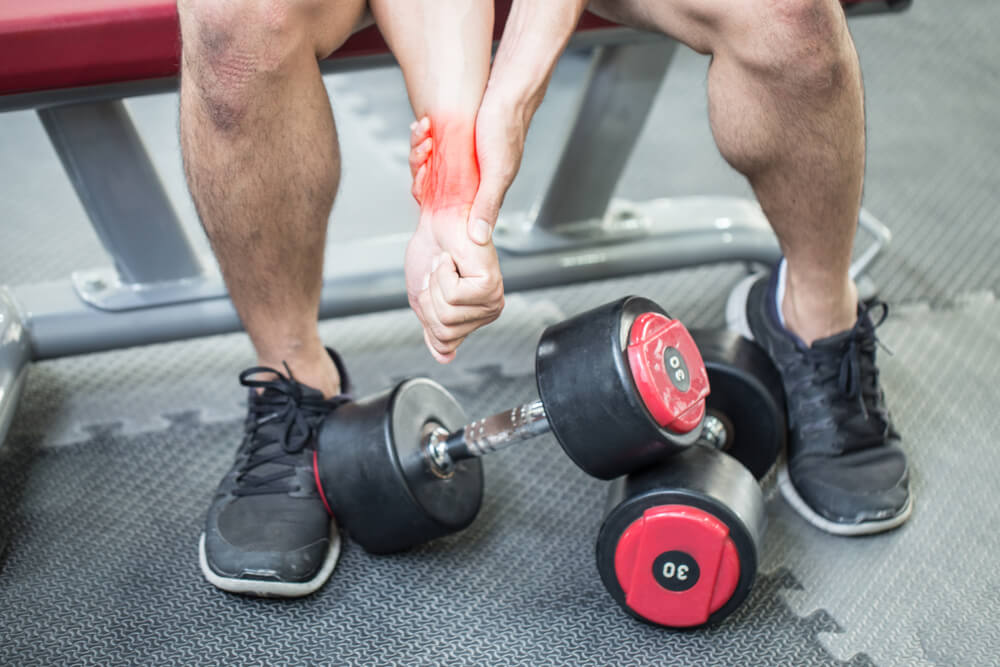
Whether you are carrying a loaded grocery bag, lifting a heavy bucket, gripping a dumbbell at the gym, or lifting your child, a sudden sharp pain in your hand can instantly bring you to a halt. You might ask yourself: why does my hand hurt when I lift something heavy, especially when it feels perfectly fine while resting at your side?
Hand pain triggered exclusively during weight-bearing or gripping activities is a frequent complaint heard across medical consultations. The human hand is an intricate anatomical marvel composed of 27 bones, dozens of ligaments, intricate tendon networks, and major peripheral nerves packed into a compact space.
When you lift a heavy object, your hand muscles contract with immense force, transferring mechanical stress across your wrist and finger joints. If any of those internal structures are inflamed, pinched, or damaged, that extra mechanical load acts as an immediate trigger for pain.
Understanding what causes this strain is the first step toward getting lasting relief without letting the fear of injury limit your daily movement.
What Is Hand Pain Triggered by Lifting Heavy Objects?
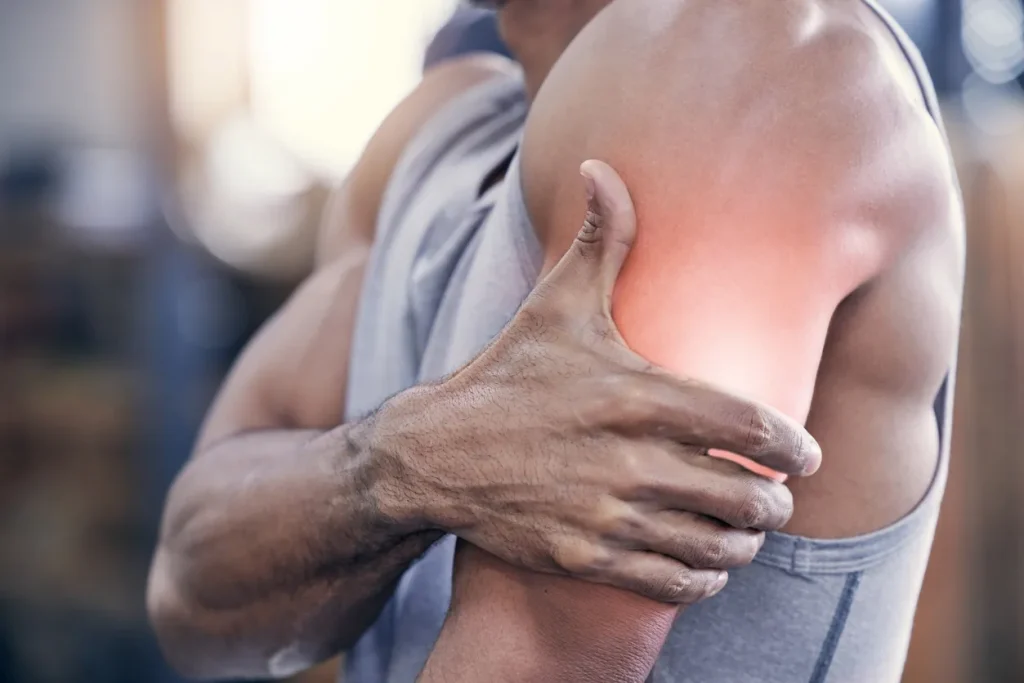
Hand pain triggered by heavy lifting is a functional pain condition where mechanical load compresses or strains vulnerable anatomical structures within the hand, wrist, or forearm. Instead of continuous aching, the pain flares when tendons pull tightly across joints or when nerve pathways experience elevated pressure during a strong grip.
Hand pain when lifting heavy objects is a mechanical symptom caused when tensile force compresses or stretches inflamed tendons, sprained ligaments, compressed nerves (such as the median or ulnar nerve), or arthritic joints in the wrist and hand. Pain flares during load-bearing due to increased intra-compartmental strain.How Interventional Pain Care Differs from Standard Medical Approaches
When faced with persistent hand discomfort, many individuals follow a familiar path: taking over-the-counter anti-inflammatory medications, wearing an off-the-shelf wrist brace, or simply trying to rest the hand for a few days. While these steps can soothe mild muscle fatigue, they often fail when structural issues are involved.
| Care Model | Primary Focus | Typical Tools |
|---|---|---|
| Conservative Care | Temporary symptom management and generalized support | Painkillers, rest, basic splinting |
| Standard Surgical Evaluation | Structural alteration via invasive procedures | Open release, tissue excision, fusion |
| Interventional Pain Management | Targeted diagnosis & precise non-surgical procedures | Dynamic ultrasound, hydrodissection, PRP |
Interventional pain management sits at the intersection of non-invasive care and traditional surgery. Rather than relying on generic pain medication that masks symptoms across the entire body, an interventional pain doctor focuses on identifying the precise micro-structure causing the problem.
By utilizing advanced diagnostic tools like dynamic musculoskeletal ultrasound, an interventional pain specialist can watch your tendons move and your nerves glide in real time while you make a fist or apply grip force. This allows for pinpoint accuracy and targeted, non-surgical pain relief designed to preserve your mobility.
Common Causes of Hand Pain When Lifting Heavy Objects
When you grip and lift, multiple anatomical zones work together in tight harmony. A breakdown or inflammation in any of these areas can trigger sharp pain:
1. Tendon Inflammation and Strain (Tendinitis and Tenosynovitis)
Tendons connect muscles in your forearm to the bones in your fingers and wrist. When you lift something heavy, these cord-like structures pull back tight.
- De Quervain’s Tenosynovitis: Causes sharp pain at the base of the thumb and side of the wrist, particularly when lifting with thumbs pointed upward or twisting the wrist.
- Flexor Tendinitis: Affects the palm side of the hand and fingers, making it painful to curl fingers around heavy handles or barbell bars.
- Extensor Tendinitis: Causes pain across the back of the hand when pulling or lifting objects against gravity.
2. Peripheral Nerve Entrapment
Nerves carry sensation and movement signals between your brain and hand. If a nerve passes through a tight anatomical space, squeezing or lifting increases pressure on that nerve.
- Carpal Tunnel Syndrome (Median Nerve Compression): Causes pain, burning, or numbness in the thumb, index, middle, and half of the ring finger. Lifting heavy loads increases pressure within the carpal tunnel.
- Cubital or Guyon’s Canal Syndrome (Ulnar Nerve Compression): Triggers pain, electric-like shocks, or weakness in the pinky finger and outer palm when gripping tightly.
3. Ligament Sprains and Joint Instability
Ligaments hold the small bones of your hand and wrist together.
- TFCC (Triangular Fibrocartilage Complex) Tears: The TFCC cushions and stabilizes the pinky side of the wrist. A TFCC injury causes deep, aching pain when lifting heavy objects, turning door knobs, or pushing up from a chair.
- Scapholunate Ligament Instability: Causes pain in the center-top of the wrist when pushing or lifting heavy items.
| Step | Pathway | Primary Purpose |
|---|---|---|
| 1 | Clinical Biomechanical Evaluation | Assess grip, nerves and joint movement |
| 2 | Dynamic Ultrasound Screening | Observe tendons and nerves during movement |
| 3 | Diagnostic Nerve/Joint Blocks | Help identify the suspected pain generator |
| 4 | Targeted Non-Surgical Interventions | Apply selected image-guided interventions |
| 5 | Ergonomic & Biomechanical Rehabilitation | Support functional retraining and strengthening |
4. Basal Joint Arthritis (Thumb CMC Osteoarthritis)
The Carpometacarpal (CMC) joint at the base of the thumb endures immense forces during pinching and gripping. If the cartilage wears down, lifting heavy pots, tools, or luggage creates direct bone-on-bone friction, causing deep, burning pain.
How Interventional Pain Care Diagnoses and Treats Hand Pain
If hand pain persists despite rest, interventional pain medicine provides a structured pathway to diagnose and resolve the issue without resorting to major surgery.
Step 1: Clinical Biomechanical Evaluation
Your specialist begins by examining how your hand moves under resistance. By testing individual fingers, checking wrist stability, and performing specialized nerve provocation maneuvers, the physician narrows down which anatomical structure is involved.
Step 2: High-Resolution Dynamic Ultrasound Screening
Unlike static X-rays or traditional MRIs where you lie completely still, musculoskeletal ultrasound allows your physician to evaluate your hand dynamically. You can make a fist or simulate a lifting motion while the doctor views the tendons and nerves on screen to detect subtle snapping, entrapment, or fluid build-up.
Step 3: Precision Diagnostic Blocks
If multiple structures appear inflamed, a diagnostic block may be used. A tiny amount of short-acting local anesthetic is delivered directly next to the suspected nerve or joint under ultrasound guidance. If your pain disappears while holding a weight minutes later, the exact pain source is confirmed.
Step 4: Advanced Non-Surgical Targeted Interventions
Depending on the diagnosis, minimally invasive techniques can promote healing and relieve pain:
- Ultrasound-Guided Nerve Hydrodissection: For compressed nerves like in Carpal Tunnel Syndrome, a fluid mixture is used to gently separate scar tissue away from the trapped nerve.
- Orthobiologic Regenerative Injections (PRP Therapy): For chronic tendon strains or ligament tears (like TFCC injuries), concentrated blood platelets containing natural growth factors are precisely injected to encourage tissue repair.
- Image-Guided Joint Injections: For thumb basal joint arthritis, therapeutic fluid is placed directly into the joint space to reduce friction and inflammation.
Step 5: Guided Ergonomic & Biomechanical Rehabilitation
Treating the tissue is only half the solution. A structured physical or occupational therapy program ensures your hand re-learns proper biomechanics, reducing strain during heavy lifting.
Comparing Common Hand and Wrist Conditions Triggered by Lifting
To help understand how different causes manifest, consider this comparison of typical symptoms and anatomical features:
| Condition | Primary Pain Location | Sensation Type | Key Physical Trigger |
|---|---|---|---|
| De Quervain’s Tenosynovitis | Base of thumb, outer wrist | Sharp, catching, or burning pain | Pinching or twisting the wrist while lifting |
| Carpal Tunnel Syndrome | Palm side, thumb, index, and middle fingers | Tingling, numbness, or electric-shock sensation | Gripping heavy handles tightly |
| TFCC Tear | Pinky side of the wrist joint | Deep ache, popping, or clicking with load | Pushing up or carrying heavy bags hanging down |
| Thumb CMC Arthritis | Deep web space at thumb base | Grinding, deep ache, or loss of pinch power | Opening jars or gripping thick tool handles |
Who Is a Candidate for Interventional Pain Management?
You do not need to suffer from severe disability to seek specialist evaluation. You may be an ideal candidate for non-surgical interventional care if:
- You experience persistent hand or wrist pain when lifting objects at home, work, or the gym.
- Your pain has lasted for more than 2 to 3 weeks despite resting, icing, or taking over-the-counter medications.
- You experience numbness, tingling, or electric-like sensations in your fingers during daily activities.
- You notice a gradual decrease in your grip strength, such as accidentally dropping items or struggling to open jars.
- You have been told you might need surgery, but want to explore effective, minimally invasive alternatives first.
What to Expect During Treatment: Before, During, and After
Feeling uncertain about undergoing a diagnostic or therapeutic procedure is entirely natural. Understanding the clinical process helps dispel anxiety.
The Patient Treatment Experience
BEFORE THE PROCEDURE
- Detailed consultation and review of the patient’s medical history.
- Dynamic ultrasound scan performed in the clinic.
- Clear explanation of the targeted procedure.
- No general anesthesia is needed, according to the provided content.
DURING THE PROCEDURE
- Performed under local anesthesia for comfort.
- Live image guidance using ultrasound or fluoroscopy.
- The provided content describes guidance as achieving micro-millimeter accuracy.
- Most outpatient procedures take approximately 15–30 minutes.
AFTER THE PROCEDURE
- Short observation period before returning home the same day.
- Mild, temporary local soreness may occur for 24–48 hours.
- Gradual restoration of functional grip strength alongside tailored rehabilitation.
When Should You Consider Seeing an Interventional Pain Specialist?
If hand pain consistently interrupts your ability to work, exercise, or perform routine household chores, continuing to “push through the pain” can transform a simple tendon irritation into chronic tissue damage.
WHEN TO CONSULT AN INTERVENTIONAL PAIN SPECIALIST
 If you have been managing persistent hand or wrist pain for more than 3 to 4 weeks with limited relief from rest, splinting, or medications, consulting a fellowship-trained interventional pain specialist is a clear next step.

Dr. P. Purohithi (FIPM, IDRA) at Meraki Pain Management Center, practicing at Apollo Hospital, Kondapur, Hyderabad, specializes in accurately diagnosing and treating complex nerve, tendon, and joint conditions using image-guided, non-surgical procedures tailored to help you regain full function.
Consulting a specialized pain clinic in Hyderabad ensures that you receive a precise, structural diagnosis rather than relying on temporary measures.
Frequently Asked Questions
Why does my hand hurt when I lift something heavy?
Hand pain during heavy lifting usually occurs because the load places intense tensile force on inflamed tendons, compressed nerves (like the median nerve in carpal tunnel syndrome), sprained wrist ligaments, or arthritic thumb joints.
Can lifting heavy weights at the gym cause permanent hand or wrist damage?
Lifting heavy weights with improper form or inadequate rest can lead to micro-tears in tendons or chronic nerve compression. Seeking a medical assessment early helps prevent permanent tissue damage and keeps you training safely.
How do I know if my hand pain is from a pinched nerve or a tendon strain?
Tendon pain generally feels like a localized ache or burning sensation that worsens when stretching or pulling. Nerve compression often produces electric-like shocks, tingling, or numbness that travels into specific fingers.
What non-surgical options are available at a pain clinic in Hyderabad?
Advanced pain clinics offer targeted therapies including ultrasound-guided nerve hydrodissection, diagnostic nerve blocks, regenerative orthobiologic injections (PRP), and specialized biomechanical rehabilitation.
Is surgery always necessary for severe hand pain caused by lifting?
No. Surgery is rarely the first resort. The vast majority of lifting-related hand and wrist conditions respond well to image-guided interventional care, targeted splinting, and structured physical therapy.
How does Dr. Purohithi diagnose hand pain at Apollo Hospital, Kondapur?
Dr. P. Purohithi utilizes dynamic musculoskeletal ultrasound alongside specialized clinical nerve and joint provocation tests to visualize real-time tendon movement and pinpoint nerve entrapments during active motion.
Will an X-ray show why my hand hurts when lifting?
X-rays primarily visualize bones and joint spaces to check for fractures or advanced arthritis. Because most lifting-related hand pain involves soft tissues like tendons, ligaments, and nerves, dynamic ultrasound or MRI is usually required.
When should I see an interventional pain doctor for hand pain?
You should consult an interventional pain doctor if your pain lasts longer than two weeks, causes progressive loss of grip strength, includes numbness or tingling, or fails to improve with rest and basic home care.

Restoring Functional Strength and Mobility
Hand pain triggered by heavy lifting should never be brushed off as an inevitable part of aging or working hard. Your hands are central to your independence, productivity, and quality of life. By identifying the root cause through advanced diagnostic tools and treating it with precise, non-surgical techniques, you can overcome pain and return to your daily activities with confidence.
If you are seeking expert evaluation for hand, wrist, or joint pain in Hyderabad, Dr. P. Purohithi at Meraki Pain Management Center / Apollo Hospital, Kondapur, provides comprehensive diagnostic evaluations and tailored interventional treatment plans.



Leave a Comment