
Table of Contents
What Is Orthopedic Pain? Causes, Symptoms, and Non-Surgical Relief
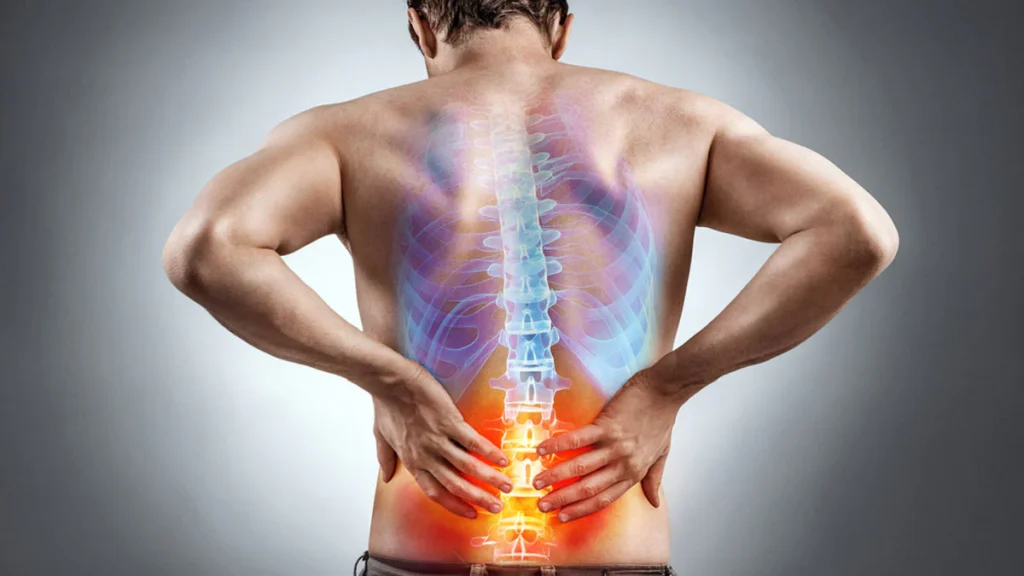
If persistent joint aches, spine discomfort, or muscular stiffness are disrupting your daily life, you are likely asking: what is orthopedic pain? Whether it manifests as a sharp sensation in your knee when climbing stairs or a dull lower back ache after long office hours, musculoskeletal discomfort affects millions of people daily.
In major economic hubs like Hyderabad, IT professionals, corporate executives, and aging adults frequently experience chronic discomfort due to desk work, sports injuries, or age-related degeneration. Many believe that structural body aches mean choosing between daily pain medications or major surgery.
Understanding the nature of musculoskeletal discomfort empowers you to explore precise diagnostic evaluations and advanced non-surgical pain relief options, helping you regain mobility without long recovery times.

What Is Orthopedic Pain and How Does It Develop?
What is orthopedic pain? It refers to discomfort originating from the musculoskeletal system, including bones, joints, ligaments, tendons, muscles, and surrounding nerves. It can result from acute trauma, repetitive strain, inflammatory conditions, or progressive wear and tear, causing localized or radiating aching, stiffness, or sharp discomfort.
According to clinical frameworks supported by the International Association for the Study of Pain (IASP), musculoskeletal conditions represent a leading cause of chronic disability worldwide. When structural components like cartilage or ligaments suffer damage, nearby nerve endings become inflamed, transmitting persistent distress signals to the brain.
How Is Interventional Pain Management Different from Standard Care?
Navigating joint and spine discomfort often leaves patients stuck between temporary, short-term solutions and the fear of open surgery. Interventional pain medicine fills this critical gap with targeted, image-guided treatments.
Standard Conservative Care
Standard conservative treatments rely primarily on oral nonsteroidal anti-inflammatory drugs (NSAIDs), topical gels, heating pads, and generalized physical therapy. While these approaches can reduce temporary inflammation, they often fail to address deep-seated joint wear, trapped nerves, or chronic tendon tears. Relying on oral pain medications long-term carries risks of gastric irritation, kidney strain, and cardiovascular complications without repairing underlying structural tissues.
Traditional Surgical Interventions
When conservative methods fall short, patients are frequently told that invasive operations—such as total joint replacements, spinal fusions, or open tendon repairs—are the next available step. Open surgery involves hospital stays, general anesthesia, tissue disruption, and extensive rehabilitation periods, carrying risks like infection, scar tissue formation, or persistent post-surgical pain.
The Interventional Pain Specialty
An interventional pain doctor uses high-resolution ultrasound or fluoroscopic (X-ray) guidance to locate the precise source of tissue inflammation or nerve irritation. Using pinhole techniques, specialists deliver targeted therapies—such as platelet-rich plasma (PRP), radiofrequency ablation (RFA), or ultrasound-guided nerve blocks—directly to the affected area. These modern therapies calm inflamed nerve pathways and promote natural tissue healing, offering lasting relief without open surgery.
How Non-Surgical Orthopedic Pain Evaluation Works: A Step-by-Step Clinical Protocol
Addressing chronic bone, joint, or spinal discomfort requires a systematic diagnostic and therapeutic framework to confirm the exact source of distress and restore function safely.
1.Step 1: Comprehensive Clinical & Neuromuscular Assessment:Mapping pain characteristics, functional limitations, and clinical history.
A specialist performs a thorough clinical evaluation, assessing joint range of motion, muscle strength, ligament stability, and nerve pathways. Mapping specific pain triggers helps differentiate between localized joint degeneration, muscle tears, and nerve entrapment.
2.Step 2: High-Resolution Dynamic Ultrasound Screening:Pinpointing tissue changes without radiation or discomfort.
Real-time dynamic ultrasound allows the physician to observe tendons, ligaments, and nerves in motion. This provides immediate visual insights into soft tissue tears, fluid accumulation, or impingement that static X-rays may miss.
3.Step 3: Diagnostic Image-Guided Targeted Block:Confirming the exact pain generator with micro-dosed precision.
Under ultrasound or fluoroscopic guidance, a precise micro-dose of local anesthetic is placed directly near the suspected joint, bursa, or nerve sheath. Significant pain relief within minutes confirms the exact source of your symptoms.
4.Step 4: Image-Guided Regenerative or Interventional Therapy:Promoting tissue repair or interrupting chronic pain loops.
Utilizing targeted protocols such as Platelet-Rich Plasma (PRP) therapy, hyaluronic acid viscosupplementation, or radiofrequency ablation (RFA), the specialist treats the affected structure directly, promoting natural repair or calming hyperactive nerve signals.
5.Step 5: Guided Biomechanical Rehabilitation & Posture Retraining:Restoring mobility, strength, and long-term joint protection.
Once severe pain subsides, structured physical therapy strengthens surrounding stabilizing muscles, corrects postural imbalances, and protects joint structures against future wear and tear.
Common Categories of Musculoskeletal Discomfort
Understanding where your symptoms originate helps you recognize when professional intervention is required.
1. Joint and Cartilage Pain (Osteoarthritis)
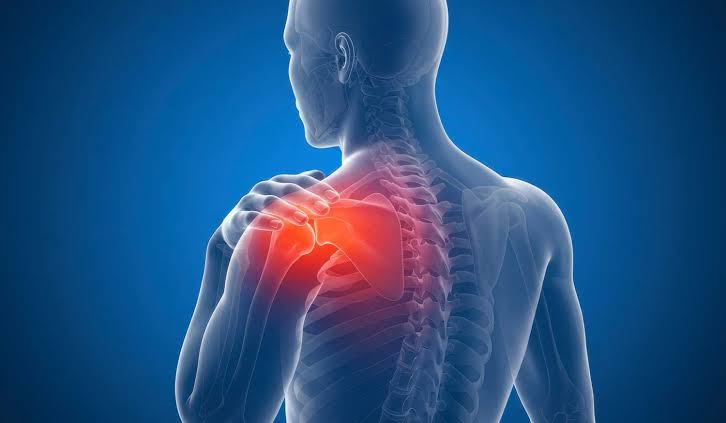
Progressive wear of protective articular cartilage causes bones to rub against each other. This leads to deep, aching pain, morning stiffness, and joint swelling, commonly affecting the knees, hips, shoulders, and hands.
2. Spine and Disc Discomfort (Cervical and Lumbar)
Herniated discs, facet joint arthritis, or spinal stenosis compress delicate spinal nerves. This causes localized back or neck stiffness that often radiates into the arms or legs as sharp, burning, or shooting pain (sciatica).
3. Tendon and Ligament Strain (Tendinopathy and Sprains)
Repetitive strain or sudden trauma can cause micro-tears in tendons and ligaments. Common conditions include rotator cuff tendinopathy, tennis elbow, plantar fasciitis, and Achilles tendon strain.
4. Bursitis and Soft Tissue Inflammation
Small, fluid-filled sacs (bursae) cushion bones, tendons, and muscles near joints. Chronic friction causes bursae to inflame, resulting in localized tenderness and pain during movement, particularly in the shoulder, hip, or elbow.
Comparison of Interventional Pain Procedures
| Procedure Type | Primary Target / Mechanism | Clinical Benefits | Expected Relief Timeline | Ideal Patient Profile |
| Platelet-Rich Plasma (PRP) Therapy | Concentrated autologous growth factors injected into damaged tendons, ligaments, or cartilage | Stimulates natural tissue healing, reduces chronic inflammation | Progressive improvement over 4–12 weeks; long-lasting structural benefit | Early-to-moderate joint arthritis, chronic tendinopathy, or ligament tears |
| Radiofrequency Ablation (RFA) | Thermal or pulsed energy applied to specific sensory nerves (e.g., medial branches, genicular nerves) | Disrupts pain signal transmission without affecting motor function | Typically provides relief for 6 to 18 months; repeatable | Facet joint spine pain or severe knee arthritis unsuitable for surgery |
| Joint Viscosupplementation | Hyaluronic acid injection into knee or shoulder joint space | Restores joint lubrication, absorbs shock, and cushions sliding cartilage surfaces | Smooth movement and pain reduction within 1–2 weeks; lasts 6 months | Mild-to-moderate knee osteoarthritis with dry, grinding joint friction |
| Epidural Steroid Injections / Nerve Blocks | Targeted anti-inflammatory medication delivered around compressed spinal nerves | Rapidly reduces nerve swelling and calms radicular shooting pain | Fast relief within 24 to 72 hours; lasts several weeks to months | Acute disc herniation, sciatica, or spinal nerve impingement flares |
Who Is Suitable for Non-Surgical Pain Treatment?
Understanding eligibility for interventional therapies helps streamline your treatment choices.
You May Be a Candidate If:
- You suffer from chronic joint, back, neck, or shoulder pain lasting more than 4 to 6 weeks.
- Over-the-counter pain medications, ointments, or rest provide only temporary relief.
- Joint stiffness or sharp pain restricts your ability to walk, climb stairs, exercise, or work comfortably.
- You wish to explore non-surgical options before considering major joint replacement or spinal surgery.
- You have been advised against surgery due to underlying health conditions or personal preferences.
What to Expect: Before, During, and After Treatment
Knowing what occurs during an image-guided procedure reduces anxiety and supports a smooth recovery.
Before the Procedure
Your treatment begins with a detailed medical evaluation. Your specialist reviews relevant MRI, CT, or X-ray scans, examines your joints, and performs dynamic ultrasound mapping. Clear pre-procedure instructions are provided based on your personalized care plan.
During the Procedure
- Outpatient Comfort: Procedures are performed in a modern, sterile environment under local anesthesia, ensuring your comfort throughout.
- Real-Time Imaging Guidance: High-resolution ultrasound or fluoroscopy guides the micro-cannula directly to the target tissue, protecting surrounding blood vessels and nerves.
- Brief Duration: Most targeted interventional treatments take between 20 and 45 minutes to complete.
After the Procedure
- Immediate Recovery: After resting comfortably in a recovery area for 30 minutes, you can return home the same day.
- Gradual Functional Improvement: Pain relief typically begins within days, with regenerative treatments showing progressive gains over several weeks.
- Rehabilitation Phase: Gentle physical therapy and ergonomics adjustments begin shortly after to reinforce joint stability and restore range of motion.
When Should You Consider Seeing an Interventional Pain Specialist?
If you have been managing chronic joint or back pain for more than 6 weeks with limited relief from medication or physiotherapy, a consultation with a fellowship-trained interventional pain specialist is the logical next step. Dr. P. Purohithi at Apollo Hospital, Kondapur, Hyderabad, specialises in precisely diagnosing and treating the source of your pain using image-guided, minimally invasive techniques — without defaulting to surgery.
Holding prestigious international qualifications, including FIPM (Fellowship in Interventional Pain Management) and IDRA, Dr. Purohithi delivers high-quality clinical care at Meraki Pain Management Center. By combining detailed physical assessments with high-resolution ultrasound and fluoroscopic guidance, Dr. Purohithi develops tailored treatment plans designed to calm tissue inflammation, restore joint mobility, and help you get back to living an active life.
Frequently Asked Questions
Can non-surgical interventional treatments help avoid joint replacement surgery?
In many cases of mild-to-moderate joint degeneration, targeted therapies like PRP, viscosupplementation, or radiofrequency ablation significantly reduce pain and restore function, helping patients delay or avoid major joint replacement surgery.
How do I know if I need a pain management specialist?
If your pain persists for more than 4 to 6 weeks, limits your daily movement, or fails to improve with basic medications and rest, consulting a pain management specialist Hyderabad offers access to precise diagnostic evaluations and targeted therapies.
Are ultrasound-guided injections painful?
Ultrasound-guided injections are performed using local anesthesia to numb the skin and superficial tissues, minimizing discomfort during the procedure. Most patients experience only mild pressure.
How long does radiofrequency ablation last for joint or spine pain?
Radiofrequency ablation (RFA) typically provides effective pain relief for 6 to 18 months. Because the procedure modulates sensory nerve pathways without causing permanent structural damage, it can be safely repeated if pain returns.
What is the difference between an orthopedic surgeon and an interventional pain doctor?
An orthopedic surgeon focuses on surgical repairs and joint replacements, while an interventional pain doctor specializes in diagnosing and treating pain non-surgically using image-guided, minimally invasive procedures.
How much does a non-surgical pain procedure cost in Hyderabad?
The cost varies based on the specific procedure, imaging technology used, and clinical setting. A consultation at an established pain clinic Hyderabad provides a clear, transparent cost breakdown.
Can I consult Dr. P. Purohithi at Apollo Hospital Kondapur for a second opinion?
Yes. Dr. P. Purohithi evaluates complex joint, spine, and nerve pain conditions and provides comprehensive non-surgical treatment plans at Meraki Pain Management Center, located within Apollo Hospital, Kondapur, Hyderabad.
Take the First Step Toward Lasting Mobility and Pain Relief
Learning what is orthopedic pain and how it develops is the first step toward reclaiming your physical health. You do not have to settle for persistent joint stiffness, daily pain medications, or the prospect of open surgery.
If you are exploring non-surgical pain relief options or seeking a expert second opinion in Hyderabad, Dr. P. Purohithi at Meraki Pain Management Center (Apollo Hospital, Kondapur) offers thorough diagnostic consultations and targeted care tailored to your needs.




Leave a Comment