
Table of Contents
When Back Pain is Serious: How to Spot Warning Signs and Access Targeted Non-Surgical Care
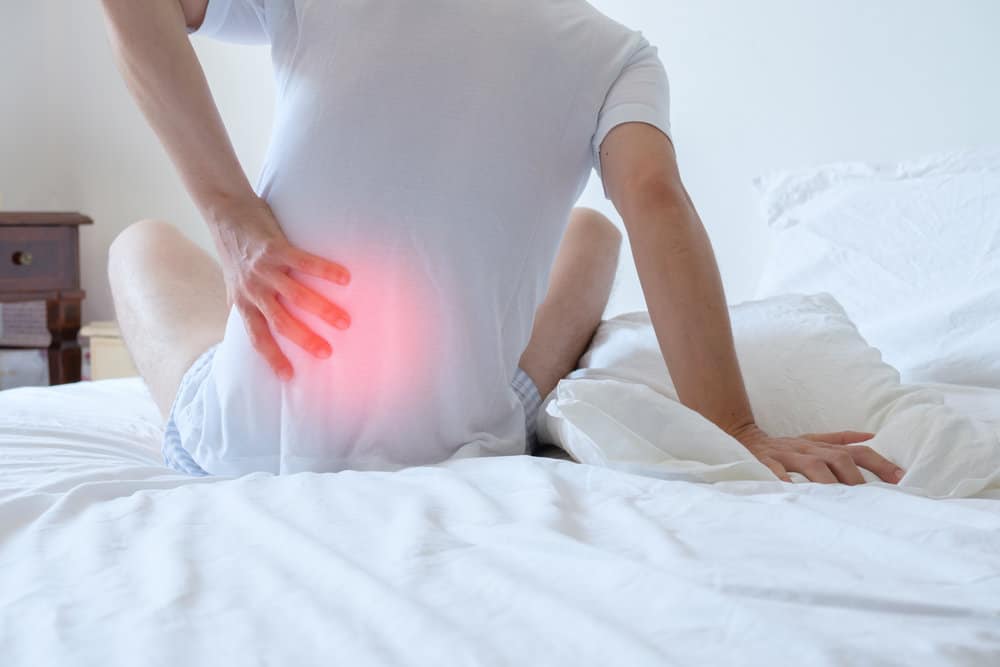
Recognizing when back pain is serious can mean the difference between a quick recovery and a prolonged, disabling condition. Most episodes of spinal discomfort stem from self-limiting muscle strains that settle within a few weeks. However, when discomfort persists, intensifies, or begins radiating down the legs, it often indicates an underlying structural issue within the intervertebral discs, facet joints, or spinal nerves.
Navigating persistent spinal pain can be overwhelming. Whether you are a desk worker who struggles to stand after a long meeting, an active adult sidelined from walking, or someone relying daily on over-the-counter painkillers, understanding the distinction between temporary muscle fatigue and serious spinal pathology is essential.
Discerning these warning signals empowers you to make informed decisions about your health. Modern interventional pain medicine provides precise, image-guided diagnostic techniques and non-surgical therapies that restore quality of life while helping you avoid unnecessary major surgery.

What Is a Serious Back Pain Evaluation?
Identifying when back pain is serious involves assessing for “red flag” clinical signals—such as progressive leg weakness, saddle numbness, or persistent nighttime pain—and differentiating mechanical muscle strain from structural spinal issues like herniated discs, spinal stenosis, or facet arthropathy through expert physical examination and correlated diagnostic imaging.
+-------------------------------------------------------------------------+
|                  CLINICAL EVALUATION SPECTRUM                           |
+-------------------------------------------------------------------------+
|                                                                         |
|  [ BENIGN MUSCLE STRAIN ]      [ INTERVENTIONAL CANDIDATE ]             |
|  - Localized dull ache         - Pain persisting > 4-6 weeks            |
|  - Relieved by resting         - Burning pain down leg (Sciatica)       |
|  - No nerve involvement        - Facet or SI joint inflammation         |
|  - Resolves within weeks       - Responsive to pinhole procedures       |
|                                                                         |
|                                [ RED FLAG EMERGENCY ]                   |
|                                - Sudden loss of bowel/bladder control   |
|                                - Saddle anesthesia (numbness)           |
|                                - Progressive motor loss (foot drop)     |
|                                - Unexplained fever / weight loss        |
+-------------------------------------------------------------------------+
How Is Interventional Pain Management Different from Standard Treatments?
When back pain shifts from a mild inconvenience to a persistent issue, patients are frequently caught between two traditional paradigms: basic conservative care and major open surgery. Interventional pain management offers a crucial, specialized pathway between these options.
Standard Conservative Care
Primary conservative measures often focus on oral nonsteroidal anti-inflammatory drugs (NSAIDs), muscle relaxants, topical patches, and generalized physiotherapy routines. While helpful for early-stage muscle strains, these therapies act globally throughout the body rather than targeting the exact anatomical site of inflammation. If a bulging disc is compressing an L5 nerve root, systemic pills may only mask symptoms temporarily without calming the localized inflammatory response.
Traditional Spine Surgery
Open spine surgery focuses on physical structural alteration—removing disc material, trimming bone laminae, or fusing vertebral segments with hardware. While essential for emergency situations involving severe neurological loss or structural collapse, open surgery involves significant tissue disruption, general anesthesia, and extensive recovery timelines.
The Interventional Pain Specialty
An interventional pain doctor utilizes minimally invasive, pinhole techniques guided by real-time imaging—such as fluoroscopy (X-ray) or high-resolution ultrasound. By delivering precise anti-inflammatory agents or radiofrequency thermal energy directly to the affected spinal nerves or joints, an interventional specialist treats the root cause of pain while preserving your natural spinal anatomy and avoiding surgical downtime.
How Does an Interventional Pain Evaluation and Treatment Process Work?
When back pain indicates an underlying structural issue, a systematic, clinical protocol is essential to pinpoint the exact pain generator before initiating targeted therapy.
Step 1: Clinical Assessment & Imaging Correlation
Clinical correlation between symptoms, neurological checks, and MRI scans
The evaluation begins by mapping your pain history alongside a targeted physical exam testing reflexes, sensation, and nerve tension. A pain management specialist evaluates your MRI or CT scan to ensure structural findings precisely match your clinical symptoms, avoiding treatment of incidental age-related wear.
Step 2: Precision Diagnostic Mapping
Utilizing local anesthetic to confirm the precise pain-generating structure
If imaging reveals multiple potential issues, such as both disc bulges and facet joint wear, a microscopic dose of local anesthetic is placed directly next to the suspected nerve or joint under fluoroscopic guidance. Immediate symptom reduction can help confirm the exact pain generator.
Step 3: Targeted Non-Surgical Procedure
Image-guided, outpatient pinhole procedures targeting inflammation
Once the pain source has been identified, a precise interventional procedure is performed on an outpatient basis. This may involve a fluoroscopic epidural injection to soothe irritated or compressed nerves, or radiofrequency ablation (RFA) to interrupt pain signals from irritated facet joints.
Step 4: Directed Physical Rehabilitation
Rebuilding core stability and restoring functional biomechanics
With acute pain controlled, a tailored physical therapy program strengthens the deep stabilizing muscles of the spine, including the multifidus and core muscles. This can promote better long-term spinal balance and help reduce the risk of future flare-ups.
Step 5: Ergonomic & Lifestyle Modifications
Optimizing workspace setup, lifting mechanics, and daily posture
The final step focuses on practical, real-world adjustments, including optimizing desk and chair posture, managing prolonged sitting or driving, and incorporating regular movement breaks. These changes can help protect the lumbar spine during daily activities.
Recognizing Structural Causes and Their Interventional Treatments
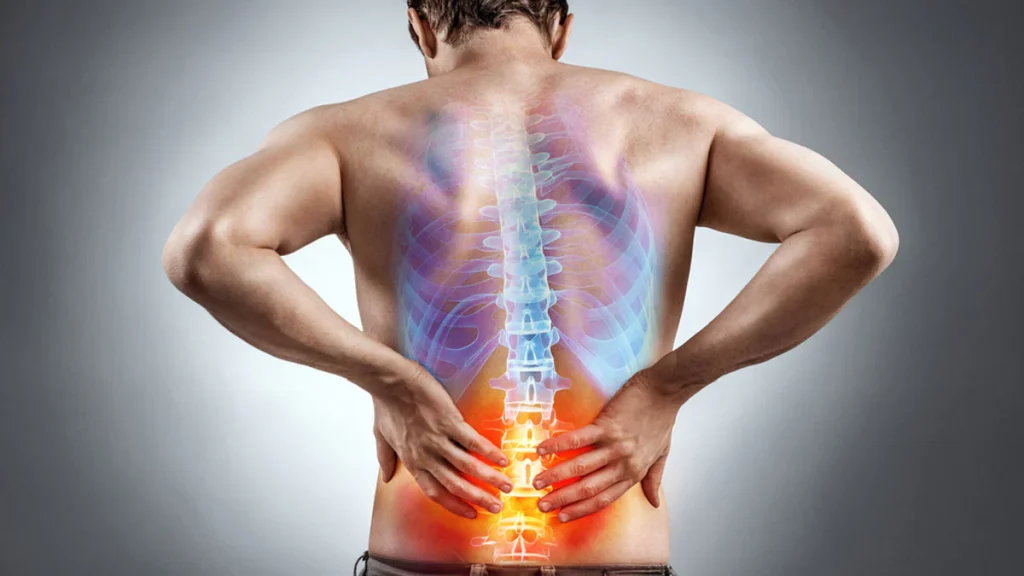
Understanding what is happening inside your spine helps demystify symptoms and highlights the available non-surgical treatment options.
1. Lumbar Disc Herniation and Sciatica
When the gel-like core of a spinal disc pushes through its outer ring, it can press against nearby nerve roots. This often causes sharp, burning pain, tingling, or numbness that travels down the buttock and leg—a condition commonly referred to as sciatica.
2. Lumbar Facet Joint Arthropathy
The facet joints guide movement between adjacent vertebrae. Like knee or hip joints, they can develop arthritis, resulting in a deep, dull ache across the lower back that worsens with standing, twisting, or extending backward.
3. Sacroiliac (SI) Joint Dysfunction
The SI joints connect the lower spine to the pelvis. Inflammation here can cause localized lower back, hip, or buttock pain that worsens when rising from a chair, climbing stairs, or standing on one leg.
4. Lumbar Spinal Stenosis
Degenerative narrowing of the spinal canal can compress the spinal cord and nerves. This typically leads to heavy, aching legs and lower back pain during walking or standing, which eases when bending forward or sitting down.
Comparison of Non-Surgical Interventional Options
| Treatment Procedure | Target Structure | Clinical Mechanism | Expected Duration of Relief | Ideal Patient Profile |
| Lumbar Epidural Steroid Injection (LESI) | Epidural space around compressed spinal nerves | Delivers concentrated anti-inflammatory medicine to calm swollen nerve roots | Several months to over a year | Patients with disc herniations, sciatica, or nerve root inflammation |
| Facet Joint Radiofrequency Ablation (RFA) | Medial branch sensory nerves of the facet joints | Uses targeted thermal energy to temporarily halt pain signal transmission | 6 to 18 months | Patients with chronic lower back stiffness and facet joint arthritis |
| Sacroiliac Joint Injection / RFA | Sacroiliac joint capsule and sensory nerve supply | Reduces joint inflammation or interrupts pain fibers using image guidance | 3 to 12+ months | Patients with lower beltline, hip, or buttock pain from SI joint strain |
| Platelet-Rich Plasma (PRP) Therapy | Strained spinal ligaments and joint capsules | Injects autologous growth factors to support natural tissue repair | Long-term regenerative response | Patients with chronic ligamentous laxity or early degenerative joint wear |
Who Is Suitable for Interventional Pain Care?
Recognizing when back pain warrants expert evaluation allows you to access effective non-surgical options before your condition limits daily function.
Ideal Candidate Criteria
- You have experienced lower back or leg pain persisting for more than 4 to 6 weeks.
- Your pain has not resolved with rest, basic medications, or routine physiotherapy.
- You experience burning pain, numbness, or tingling radiating past the knee into the calf or foot.
- Your pain interferes with sleeping, walking, working, or performing household activities.
- You wish to explore targeted, non-surgical treatment options before considering open spine surgery.
What to Expect: Before, During, and After Treatment
It is natural to feel hesitant about medical procedures. Modern interventional pain treatments are designed to be minimally invasive, precise, and reassuringly straightforward.
Before the Procedure
Your physician reviews your complete medical history, conducts a detailed neurological and physical examination, and evaluates your imaging scans. You will receive plain-language guidance regarding temporary adjustments to blood thinners or daily medications.
During the Procedure
- Comfort & Precision: Performed in a specialized procedure suite under local anesthesia, ensuring you remain comfortable throughout.
- Image Guidance: Real-time fluoroscopy (X-ray) or ultrasound guarantees pinpoint needle placement.
- Procedure Time: Most pinhole interventions take between 15 and 30 minutes.
After the Procedure
- Immediate Recovery: You rest comfortably in a recovery lounge for 30 to 45 minutes before being discharged home the same day.
- Return to Routine: Most patients resume light, non-strenuous daily activities within 24 to 48 hours.
- Relief Timeline: Injections typically begin reducing inflammation over 3 to 7 days, while radiofrequency procedures deliver progressive improvement over 2 to 3 weeks.
When Should You Consider Seeing an Interventional Pain Specialist?
If you have been managing back pain for more than 6 weeks with limited relief from oral medications or general physiotherapy, consulting a fellowship-trained interventional pain specialist is a logical next step.
At Meraki Pain Management Center, located within Apollo Hospital, Kondapur, Hyderabad, Dr. P. Purohithi specializes in diagnosing and treating complex spinal pain using advanced, image-guided, non-surgical techniques. Holding prestigious international qualifications, including FIPM (Fellowship in Interventional Pain Management) and IDRA, Dr. Purohithi focuses on identifying the precise structural cause of pain—helping patients recover mobility and comfort without defaulting to major surgery.
Frequently Asked Questions
What are the red flag symptoms that mean back pain is serious?
Red flag symptoms requiring urgent medical evaluation include a sudden loss of bowel or bladder control, numbness in the groin or saddle region, progressive muscle weakness (such as an inability to lift the foot), unexplained fever, or back pain accompanied by unintended weight loss.
Can an interventional procedure help me avoid spine surgery?
Yes. According to guidelines established by the International Association for the Study of Pain (IASP) and the Indian Society for Study of Pain (ISSP), targeted interventional procedures can calm nerve and joint inflammation sufficiently to resolve symptoms, allowing many patients to avoid open spine surgery.
Is radiofrequency ablation safe for lower back pain?
Radiofrequency ablation (RFA) is a well-established, safe, and minimally invasive procedure. Because it is performed under real-time fluoroscopic guidance by an experienced interventional pain doctor, the risk profile is low and the procedure provides long-lasting joint pain relief.
How do I know if I need a pain specialist or an orthopedic surgeon?
If your back pain persists without progressive loss of muscle function or emergency red flags, consulting a pain management specialist Hyderabad allows you to explore effective non-surgical options first. If severe structural instability or progressive motor loss is present, surgical consultation is indicated.
How long does a lumbar epidural injection last?
A lumbar epidural steroid injection typically provides relief lasting from several months to over a year, depending on the underlying condition. This pain-free window allows patients to participate effectively in physical therapy to build core stability.
How much does a nerve block cost in Hyderabad?
The cost of an image-guided nerve block or interventional procedure varies depending on clinical complexity, specific spinal levels, and facility fees. Consulting an established pain clinic Hyderabad like Meraki Pain Management Center ensures clear, transparent guidance regarding care costs.
Can I consult Dr. P. Purohithi at Apollo Hospital Kondapur?
Yes. Dr. P. Purohithi conducts detailed diagnostic evaluations and performs advanced non-surgical procedures at Meraki Pain Management Center, located within Apollo Hospital, Kondapur, Hyderabad.
Take the First Step Toward Lasting Relief
Understanding when back pain is serious empowers you to seek the right care at the right time. Modern interventional pain medicine offers clear diagnostic answers and targeted non-surgical relief, helping you return to an active, comfortable life.
If you are seeking expert guidance for persistent back pain in Hyderabad, Dr. P. Purohithi at Meraki Pain Management Center (Apollo Hospital, Kondapur) offers thorough clinical evaluations and personalized treatment plans tailored to your specific needs.


Leave a Comment