
Table of Contents
Why Is My Slipped Disc So Painful? Understanding Nerve Irritation and Targeted Relief
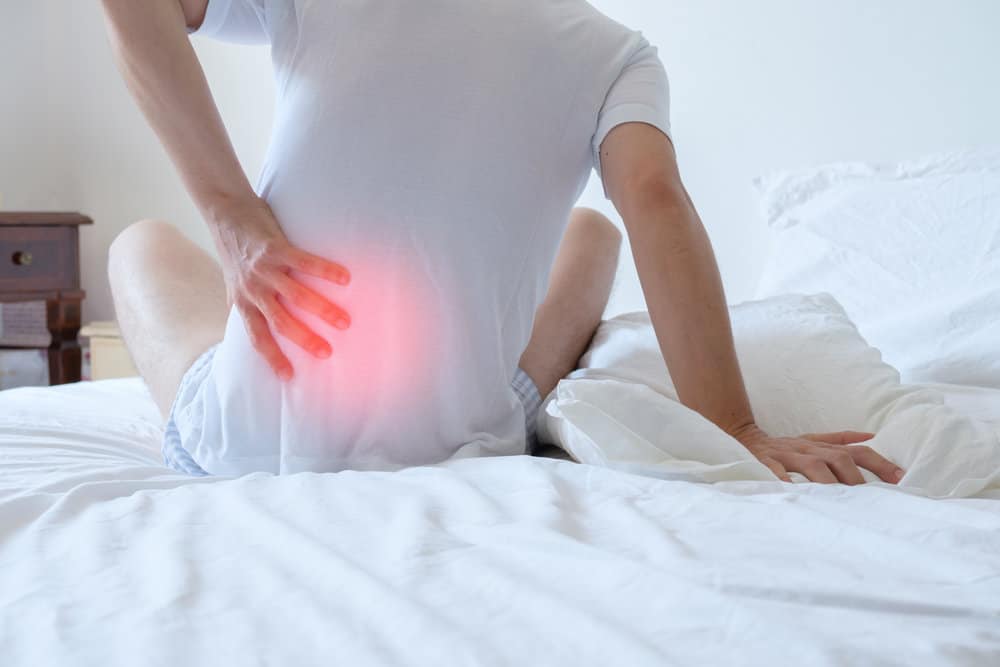
Few physical experiences match the sharp, burning, or agonizing sensation of a herniated lumbar disc. If an unbearable ache in your lower back radiates down your leg every time you sit or stand, you are probably asking: why is my slipped disc so painful?
The reason behind this extreme discomfort is rarely the damaged disc itself, but rather the double blow of mechanical nerve compression and intense chemical inflammation surrounding sensitive spinal nerve roots.
When a desk-worker struggles to sit through a morning meeting or an active individual finds walking to the kitchen excruciating, understanding the biological mechanism of nerve pain is the first step toward finding effective relief. Modern interventional pain medicine focuses on deactivating these specific pain triggers without relying immediately on invasive spinal operations.
Medical Disclaimer: The information provided in this article is for educational purposes only and does not constitute medical advice, diagnosis, or treatment. Always seek the advice of a qualified healthcare provider regarding any medical condition or treatment plan.

What Is a Slipped Disc Pain Trigger?
A slipped disc—known clinically as a herniated, prolapsed, or bulging disc—occurs when the jelly-like inner core of an intervertebral disc breaks through its tough outer fibrous shell.
+-----------------------------------------------------------------------+
|                       Snippet-Ready Definition                        |
|                                                                       |
| Slipped disc pain is primarily driven by two factors: mechanical       |
| compression on adjacent spinal nerves and a severe chemical reaction  |
| triggered by inflammatory proteins inside the disc gel. This dual     |
| mechanism causes sharp, radiating leg pain (sciatica), muscle spasms,  |
| and localized lower back pain, which responds best to targeted        |
| non-surgical interventional treatments.                              |
+-----------------------------------------------------------------------+
Understanding why is my slipped disc so painful starts with realizing that the gel inside the disc contains high concentrations of inflammatory enzymes. When this material leaks out, it creates a chemical burn around nearby spinal nerve roots, escalating pain long before mechanical pressure even comes into play.
How Is Interventional Pain Management Different from Conventional Care?
When faced with unbearable disc discomfort, patients often receive basic oral medications or are told to wait months for physical therapy, while others fear open surgery is their only option. Interventional pain management fills the vital space between these two extremes.
+-----------------------------------------------------------------------------------+
|                        Comparing Disc Pain Care Pathways                          |
+-------------------+--------------------------------+------------------------------+
| Care Model        | Primary Mechanism              | Key Advantage / Limitation   |
+-------------------+--------------------------------+------------------------------+
| Conventional Care | Systemic oral medications,     | Temporary relief; does not   |
|                   | general muscle relaxants, rest | address local nerve site.    |
+-------------------+--------------------------------+------------------------------+
| Interventional    | Precision image-guided         | Direct target anti-inflamm-  |
| Pain Medicine     | injections, nerve blocks       | atory action; non-surgical.  |
+-------------------+--------------------------------+------------------------------+
| Surgical          | Structural disc removal/fusion | Fixes severe structural loss;|
| Interventions     | (discectomy, laminectomy)      | higher risk, long recovery.  |
+-------------------+--------------------------------+------------------------------+
An experienced pain management specialist uses high-resolution imaging technology to pinpoint the exact nerve root being irritated. Rather than flooding your entire bloodstream with heavy oral painkillers, targeted interventional techniques deliver soothing, localized anti-inflammatory agents directly to the inflamed spinal segment.
How Does Targeted Non-Surgical Disc Relief Work?
When severe nerve irritation makes standard movement impossible, an interventional pain doctor can perform precision image-guided procedures to soothe the nerve and halt the pain cycle. Here is how a comprehensive non-surgical treatment pathway unfolds:
+-----------------------------------------------------------------------------------+
|                       Step-by-Step Interventional Pathway                         |
+-----------------------------------------------------------------------------------+
| 1. Precise Neurological & MRI Mapping                                             |
|    Correlating physical nerve symptoms with specific MRI disc levels              |
+-----------------------------------------------------------------------------------+
| 2. Live Fluoroscopic Guidance                                                     |
|    Using continuous X-ray visualization to map exact anatomical pathways          |
+-----------------------------------------------------------------------------------+
| 3. Transforaminal Epidural Delivery                                               |
|    Injecting targeted anti-inflammatory agents into the affected spinal foramen   |
+-----------------------------------------------------------------------------------+
| 4. Targeted Pulsed Radiofrequency (PRF)                                           |
|    Calming hyperactive sensory nerve signals when inflammation is chronic         |
+-----------------------------------------------------------------------------------+
| 5. Core Rehabilitation Activation                                                 |
|    Transitioning into guided physical therapy during the pain-free window         |
+-----------------------------------------------------------------------------------+
- Precise Neurological & MRI Mapping: The physician conducts a detailed clinical examination to correlate your radiating symptoms (such as burning or shooting leg pain) with exact MRI findings, confirming the precise pain generator.
- Live Fluoroscopic Guidance: Real-time X-ray guidance (fluoroscopy) maps the anatomical structures of your spine, allowing sub-millimeter needle positioning directly adjacent to the pinched nerve.
- Transforaminal Epidural Injection: Targeted anti-inflammatory medication is introduced into the transforaminal space surrounding the compressed nerve root, neutralizing inflammatory chemicals and reducing swelling.
- Pulsed Radiofrequency (PRF) Neuromodulation: If nerve pain remains chronic, specialized electrical pulses calm hyperactive nerve fibers without damaging nerve tissue or affecting muscle movement.
- Core Rehabilitation Activation: Once the acute pain subsides, structured physical therapy stabilizes the deep abdominal and back muscles to protect your spine against recurrent herniations.
Primary Mechanisms and Non-Surgical Treatment Options
To fully address why is my slipped disc so painful, it helps to look at how specific interventional procedures target the dual mechanisms of nerve pain (chemical irritation and mechanical pressure).
Guidelines supported by the International Association for the Study of Pain (IASP) emphasize using localized, targeted interventions to break the pain-inflammation cycle as early as possible.
1. Transforaminal Epidural Steroid Injections (TFESI)
Unlike standard epidural injections, transforaminal injections deliver high concentrations of anti-inflammatory medication directly into the nerve opening (foramen) where the herniated disc contacts the nerve root. This rapidly calms localized chemical burns.
2. Selective Nerve Root Blocks (SNRB)
A nerve block serves both diagnostic and therapeutic purposes. By delivering local anesthetic directly onto a specific nerve root, it confirms whether that nerve is the true source of your symptoms while providing immediate, targeted pain relief.
3. Pulsed Radiofrequency (PRF) Neuromodulation
PRF applies rapid pulses of high-frequency electrical energy to the dorsal root ganglion. This calms persistent nerve hypersensitivity, altering how pain signals are transmitted to the brain without disrupting motor function.
+------------------------------------------------------------------------------------+
|                         Sciatica Pain Treatment Comparison                         |
+-------------------------+-------------------------+--------------------------------+
| Procedure               | Target Mechanism        | Key Clinical Benefit           |
+-------------------------+-------------------------+--------------------------------+
| Transforaminal ESI      | Chemical inflammation & | Direct, targeted relief of     |
|                         | localized nerve swelling| acute radiating leg pain       |
+-------------------------+-------------------------+--------------------------------+
| Selective Nerve Block   | Diagnostic pinpointing  | Confirms exact pain generator  |
|                         | & acute nerve numbing   | while offering fast comfort    |
+-------------------------+-------------------------+--------------------------------+
| Pulsed Radiofrequency   | Chronic nerve signal    | Long-term pain control without |
|                         | hypersensitivity        | structural spinal alteration   |
+-------------------------+-------------------------+--------------------------------+
Who Is Suitable for Non-Surgical Pain Relief?
You may be an ideal candidate for non-surgical pain relief if your daily life aligns with the following criteria:
- You suffer from sharp, burning, or electrical pain radiating down one buttock, thigh, or calf.
- Your pain worsens when sitting for long periods, bending forward, coughing, or sneezing.
- Rest, basic physical therapy, and oral pain medications have failed to provide meaningful relief after 2 to 4 weeks.
- You want to avoid major spinal surgery or seek an expert opinion before considering open operative procedures.
- Persistent pain prevents you from completing physical therapy or returning to work.
Red Flag Warning: Emergency medical attention is required if you develop sudden progressive leg weakness (such as foot drop), numbness in the saddle area (groin/buttocks), or loss of bowel/bladder control. These symptoms may indicate Cauda Equina Syndrome, which requires urgent surgical evaluation.
What to Expect Before, During, and After Treatment
Apprehension about spinal procedures is completely natural. Knowing what to expect during an image-guided procedure can help ease your concerns.
- Before the Procedure: Your care team conducts a comprehensive review of your medical history and imaging, providing clear instructions on medication adjustments and preparation.
- During the Procedure: Performed on an outpatient basis under local anesthesia, live fluoroscopic imaging ensures precise, comfortable placement of therapeutic agents. The procedure usually takes 15 to 30 minutes.
- After the Procedure: Following a brief rest period in a recovery room, you can return home the same day. Most individuals resume light daily activities within 24 to 48 hours, with clinical experience suggesting peak anti-inflammatory benefits take effect within 3 to 7 days.
When Should You Consider Seeing an Interventional Pain Specialist?
If severe back and leg pain has lasted longer than two to three weeks without improvement, relying solely on rest or escalating doses of oral painkillers is rarely effective. Early specialized care helps prevent acute nerve inflammation from turning into chronic nerve pain.
Consulting a fellowship-trained interventional pain doctor is the logical next step to pinpoint the exact source of your discomfort.
For individuals seeking a dedicated pain specialist in Kondapur, Dr. P. Purohithi provides comprehensive diagnostic care and advanced non-surgical treatments. Holding distinguished FIPM (Fellowship in Interventional Pain Management) and IDRA qualifications, Dr. Purohithi specializes in diagnosing complex spinal pain and performing image-guided procedures tailored to each patient’s needs.
Practicing at leading clinical centers—including Apollo Hospital, Kondapur and Meraki Pain Management Center—she empowers patients across Hyderabad to overcome severe disc pain without defaulting to open surgery.
Frequently Asked Questions
Why is disc herniation pain often worse at night or while sitting?
Sitting increases intradiscal pressure significantly compared to standing or lying down, forcing herniated disc material further against sensitive nerve roots. At night, inflammatory proteins settle around the nerve when movement decreases, intensifying pain signals.
How long does the severe pain from a slipped disc typically last?
Acute severe pain usually peaks within the first 2 to 4 weeks. While the body often gradually resorbs herniated material over several months, interventional treatments can reduce intense pain early on, allowing you to stay mobile and undergo rehabilitation.
Can an interventional pain doctor treat a slipped disc without surgery?
Yes, an interventional pain doctor specializes in targeted, minimally invasive procedures—such as transforaminal epidural injections and radiofrequency neuromodulation—that treat the precise source of nerve pain without requiring open surgery.
Is an epidural steroid injection for disc pain safe?
When performed by a qualified specialist using fluoroscopic image guidance, epidural steroid injections are considered very safe, routine outpatient procedures with low risk profiles.
How do I know if I should visit a pain clinic in Hyderabad?
If your lower back or leg pain persists beyond two weeks, limits your ability to work or walk, or does not respond to standard medications, scheduling an evaluation at a specialized pain clinic in Hyderabad is recommended.
What treatments are offered at Meraki Pain Management Center for disc pain?
Meraki Pain Management Center provides comprehensive diagnostic evaluations, transforaminal epidural injections, selective nerve root blocks, pulsed radiofrequency neuromodulation, and coordinated physical rehabilitation plans tailored to your recovery goals.

Take the Next Step Toward Lasting Relief
Understanding why your disc pain is so intense brings clarity, but taking action is what restores your quality of life. Modern interventional pain medicine provides precise, evidence-based solutions to eliminate nerve inflammation and help you get back to living comfortably.
If you are looking for expert, non-surgical treatment for a slipped disc in Hyderabad, Dr. P. Purohithi offers comprehensive consultations at Apollo Hospital, Kondapur and Meraki Pain Management Center.


Leave a Comment