
Table of Contents
Finding the Best Treatment for Knee Pain in Older Age Adults: A Complete Non-Surgical Guide
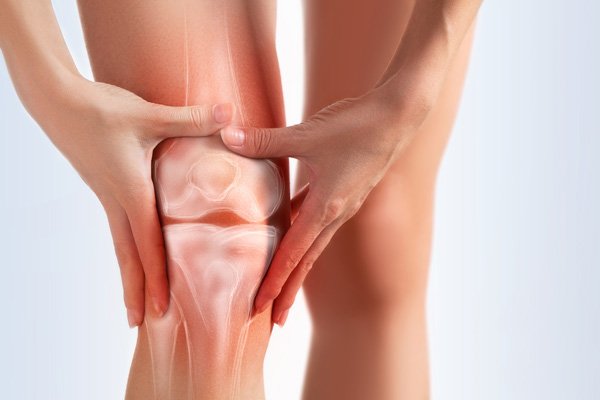
Finding the best treatment for knee pain in older age adults becomes a top health priority when simple daily movements begin to feel like uphill struggles. For many seniors and active older individuals, severe joint stiffness gradually changes daily routines. An evening walk around the neighborhood park, climbing a flight of stairs, or even standing up comfortably from a dining chair can trigger deep, grinding joint discomfort.
Determining the best treatment for knee pain in older age adults starts with recognizing that major open surgery or lifelong daily painkillers are not the only options. While knee osteoarthritis and age-related cartilage wear are very common, modern pain medicine has evolved significantly. Advanced image-guided techniques now allow interventional pain physicians to target joint inflammation and block pain signals directly at the source—offering long-term relief and restoring mobility without requiring major surgical downtime.
Experiencing chronic knee pain can feel discouraging, but age alone should never prevent you from staying active. By understanding how joint wear develops, exploring state-of-the-art non-surgical modalities, and learning when to seek a specialist evaluation, you can make informed decisions about your joint health and regain your independence.

What Is Interventional Non-Surgical Knee Pain Management?
+-----------------------------------------------------------------------------+
|                     SNIPPET DEFINITION & DIRECT ANSWER                      |
|                                                                             |
| Interventional non-surgical knee pain management encompasses precise,       |
| image-guided outpatient procedures—such as genicular nerve radiofrequency   |
| ablation (RFA), viscosupplementation, and platelet-rich plasma (PRP)—that  |
| target joint inflammation and sensory nerves to relieve pain without open   |
| surgery.                                                                    |
+-----------------------------------------------------------------------------+
Interventional pain medicine aligns with clinical guidelines established by global and national bodies, including the International Association for the Study of Pain (IASP) and the Indian Society for the Study of Pain (ISSP). Its primary objective is to pinpoint exact pain generators within and around the knee joint, suppress localized neuro-inflammation, and restore physical function while minimizing medication side effects.
How Is Interventional Care Different from Standard Knee Treatments?
When older adults seek care for persistent knee pain, they are frequently presented with two traditional options: conservative medical management or total knee replacement surgery. Interventional pain care provides a critical, highly effective middle ground:
- Conservative Oral Medications & General Therapy: Over-the-counter anti-inflammatories and basic exercises provide initial relief for mild joint strain. However, long-term use of oral painkillers can trigger gastrointestinal acidity, kidney stress, or cardiovascular risks in older adults, while failing to address advanced joint cartilage breakdown.
- Total Knee Replacement Surgery: Major joint replacement involves removing damaged bone and cartilage and inserting metal or plastic implants under general anesthesia. While beneficial for severe structural deformities, surgery involves hospital stays, prolonged rehabilitation, and risks that may not suit patients with underlying health conditions.
- Interventional Non-Surgical Care: Utilizes real-time ultrasound or fluoroscopic X-ray guidance to deliver targeted anti-inflammatory agents, regenerative biologics, or thermal nerve modulation directly to the joint or sensory nerves. These outpatient procedures require no general anesthesia, involve minimal downtime, and provide sustained relief for patients seeking to avoid or delay surgery.
How Interventional Knee Pain Relief Works: Step-by-Step Process
To understand how modern non-surgical procedures relieve chronic knee osteoarthritis and joint pain, it helps to look at the clinical care pathway:
1.1. Precision Diagnostic Evaluation & Mapping:Detailed evaluation connects physical symptoms with joint imaging.
A pain management specialist conducts specialized movement tests and reviews weight-bearing X-rays or MRIs to pinpoint whether pain stems from cartilage loss, meniscal wear, or surrounding tendons.
2.2. Diagnostic Genicular Nerve Block:Targeted diagnostic numbing temporarily blocks sensory nerve pathways.
Under live imaging guidance, a small amount of local anesthetic is placed near the genicular nerves surrounding the knee joint. If this provides immediate relief, it confirms these nerves are transmitting the main pain signals.
3.3. Image-Guided Interventional Procedure:High-resolution ultrasound or fluoroscopy guides therapeutic placement.
Depending on joint health, the specialist performs a targeted treatment—such as Genicular Nerve Radiofrequency Ablation (RFA), Hyaluronic Acid (HA) gel administration, or Platelet-Rich Plasma (PRP) therapy—with pinpoint accuracy.
4.4. Localized Pain Signal Interruption:Neuro-inflammation subsides and joint sensory transmission pauses.
The treatment calms inflammatory pathways or thermal energy stops the sensory nerves from sending pain signals to the brain, while preserving motor function and leg strength.
5.5. Functional Rehabilitation and Restored Mobility:Decreased joint pain enables effective muscle strengthening.
With pain significantly reduced, patients can comfortably participate in targeted physical therapy to strengthen the quadriceps and stabilizing muscles, extending long-term joint stability.

Comparing Non-Surgical Knee Pain Treatments for Older Adults
Modern interventional pain medicine offers several evidence-based treatments tailored to varying stages of joint wear. The table below compares the primary non-surgical modalities available today:
| Treatment Modality | Primary Mechanism | Best Suited For | Typical Relief Duration | Key Patient Advantage |
| Genicular Nerve Radiofrequency Ablation (RFA) | Thermal energy interrupts sensory nerve pain signals around the knee joint. | Moderate to severe osteoarthritis; patients unfit for or wanting to avoid surgery. | Typically 6 to 18 months; repeatable as needed. | Target pain relief without altering joint anatomy; no hospital stay required. |
| Viscosupplementation (Hyaluronic Acid) | Injection of natural lubricating fluid into the joint capsule to reduce friction. | Mild to moderate knee osteoarthritis with joint stiffness and crepitus. | Typically 6 to 12 months. | Replenishes joint lubrication and acts as a shock absorber during walking. |
| Platelet-Rich Plasma (PRP) Therapy | Concentrated growth factors from patient’s blood injected to stimulate tissue repair. | Early to moderate cartilage wear, chronic tendinopathy, or partial tears. | Clinical experience suggests 9 to 15 months. | Uses body’s own healing properties to reduce inflammation naturally. |
| Image-Guided Corticosteroid Injection | Potent anti-inflammatory placed directly into the joint capsule under ultrasound guidance. | Acute osteoarthritic flare-ups with joint effusion (fluid accumulation). | Typically 1 to 3 months. | Rapid relief during severe inflammatory flare-ups; restores basic mobility quickly. |
Who Is Suitable for Interventional Knee Care?
Interventional treatments are designed to help older adults regain mobility safely. You may be an ideal candidate for non-surgical interventional knee care if:
- Daily Walking Is Limited: Knee stiffness or grinding discomfort prevents you from walking comfortably, grocery shopping, or managing household tasks.
- You Want to Avoid Major Surgery: You have been advised to consider total knee replacement but prefer to explore safe, evidence-based non-surgical options first.
- Co-Existing Health Conditions Make Surgery High Risk: Conditions like hypertension, diabetes, heart disease, or advanced age make open surgery under general anesthesia less advisable.
- Oral Medications Cause Side Effects: You experience acidity, stomach ulcers, kidney stress, or fluid retention from regular pain relief pills.
- Post-Surgical Pain Persists: You have previously undergone knee surgery but continue to experience persistent discomfort around the joint.
What to Expect During Procedure and Recovery
Exploring new medical treatments can bring questions about comfort, recovery time, and safety. Interventional procedures are structured to make patient care straightforward and reassuring:
Diagnostic Mapping (Before Procedure)
Your specialist reviews your medical history, examines joint stability, and performs diagnostic imaging. If genicular nerve radiofrequency ablation is planned, a temporary diagnostic nerve block is performed first to confirm the exact pain pathways.
The Interventional Treatment (During Procedure)
All procedures are performed in an outpatient environment using local anesthesia. Using real-time ultrasound or fluoroscopy, your doctor guides thin needles directly to the target area with millimeter precision. The process typically takes 20 to 45 minutes, and most patients report minimal discomfort.
Recovery and Mobility (After Procedure)
Because these techniques are minimally invasive, there are no surgical incisions or stitches. After a short 30-minute observation period, patients walk out of the clinic independently. Functional relief typically develops over a few days to three weeks, paving the way for smooth physical therapy.
When Should You Consider Seeing an Interventional Pain Specialist?
If you have been managing chronic pain for more than 6 weeks with limited relief from medication or physiotherapy, a consultation with a fellowship-trained interventional pain specialist is the logical next step.
In Hyderabad, Dr. P. Purohithi at Meraki Pain Management Center, located within Apollo Hospital, Kondapur, specializes in precisely diagnosing and treating the source of your pain using image-guided, minimally invasive techniques—without defaulting to surgery.
Holding prestigious credentials including a Fellowship in Interventional Pain Management (FIPM) and expertise in In-plane Ultrasound-Guided Regional Anesthesia (IDRA), Dr. Purohithi focuses on non-surgical joint preservation and targeted nerve care. Receiving treatment at Apollo Hospital, Kondapur provides patients access to cutting-edge imaging technology and trusted clinical care in your local community.
Frequently Asked Questions
Is genicular nerve radiofrequency ablation (RFA) safe for older adults?
Yes. Genicular nerve RFA is a minimally invasive outpatient procedure performed under local anesthesia. Because it does not require general anesthesia or surgical cuts, it carries a low risk profile and is suitable for elderly patients or those with co-existing health conditions.
Can PRP therapy replace total knee replacement surgery?
While PRP therapy cannot rebuild completely worn-away bone, clinical experience suggests it can significantly reduce joint inflammation, slow cartilage degradation, and relieve pain in mild to moderate osteoarthritis, helping many patients avoid or delay surgery.
How long does relief last after knee radiofrequency ablation?
Relief from genicular nerve RFA typically lasts between 6 and 18 months. As sensory nerve fibers gradually regenerate over time, the procedure can be safely repeated to maintain long-term pain relief.
Will I need hospital admission for non-surgical knee treatment?
No. Interventional procedures such as nerve blocks, viscosupplementation, and radiofrequency ablation are performed on an outpatient basis. You can return home the same day shortly after the procedure.
Is knee injection therapy painful?
Interventional procedures are performed using tiny needles under local anesthesia, ensuring patient comfort. Live ultrasound guidance allows for precise needle placement while avoiding sensitive surrounding tissues.
How much does non-surgical knee pain treatment cost in Hyderabad?
Treatment costs vary based on whether management involves lubricant injections, regenerative PRP, or radiofrequency ablation. Detailed, transparent cost estimates are provided following your diagnostic consultation at Meraki Pain Management Center.
Can I walk normally after receiving a knee nerve block or RFA?
Yes. Genicular nerve procedures selectively target sensory pain nerves around the knee without affecting the motor nerves that power your leg muscles, allowing you to walk normally immediately after treatment.
How do I book a consultation with a knee pain specialist in Kondapur?
You can schedule an evaluation with Dr. P. Purohithi at Meraki Pain Management Center, Apollo Hospital, Kondapur, by calling +91 88856 23283 or visiting https://drpurohithi.com/.

Reclaim Your Active Lifestyle Without Surgery
Finding the best treatment for knee pain in older age adults comes down to receiving an accurate diagnosis and choosing a targeted care plan. Aging does not mean you have to accept constant pain or give up the activities you love.
If you are considering non-surgical knee treatments in Hyderabad, Dr. P. Purohithi at Apollo Hospital, Kondapur, offers a thorough diagnostic consultation before any procedure is recommended.


Leave a Comment