

Table of Contents
What is the Best Treatment for Sciatica Pain in Hyderabad? A Comprehensive Guide to Long-Term Relief
When a sharp, shooting pain radiates from your lower back down through your leg, everyday activities can feel overwhelming. If you are struggling with this debilitating discomfort, you are likely asking: what is the best treatment for sciatica pain?
The answer depends on the exact cause of your nerve irritation, but modern medical advances mean that surgery is rarely the first or only option. For most individuals, the most effective approach involves targeted, non-surgical pain relief managed by an experienced interventional pain specialist.
Understanding your treatment pathways—from conservative care to image-guided interventional procedures—empowers you to make informed decisions and regain control of your mobility.
Medical Disclaimer: The information provided in this article is for educational purposes only and does not constitute medical advice, diagnosis, or treatment. Always seek the advice of a qualified healthcare provider regarding any medical condition or treatment plan.
What Is Sciatica Pain?
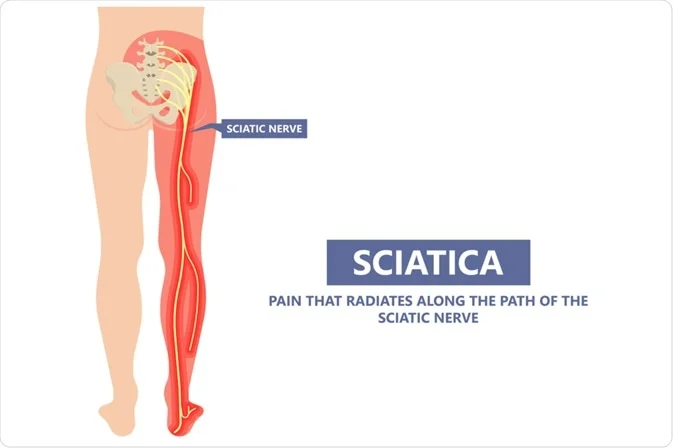
Sciatica is not a standalone medical diagnosis; rather, it is a symptom of an underlying neurological issue. It refers to pain, numbness, tingling, or weakness that originates in the lower back and travels along the path of the sciatic nerve—the longest and widest nerve in the human body.
+-----------------------------------------------------------------------+
|                       Snippet-Ready Definition                        |
|                                                                       |
| Sciatica pain occurs when the sciatic nerve becomes compressed or    |
| inflamed, usually due to a herniated disc, bone spur, or spinal       |
| stenosis. The most effective treatment combines precise diagnostic    |
| evaluation with targeted interventional procedures, such as epidural  |
| steroid injections, physical therapy, and lifestyle modifications to   |
| reduce inflammation and restore mobility without open surgery.        |
+-----------------------------------------------------------------------+
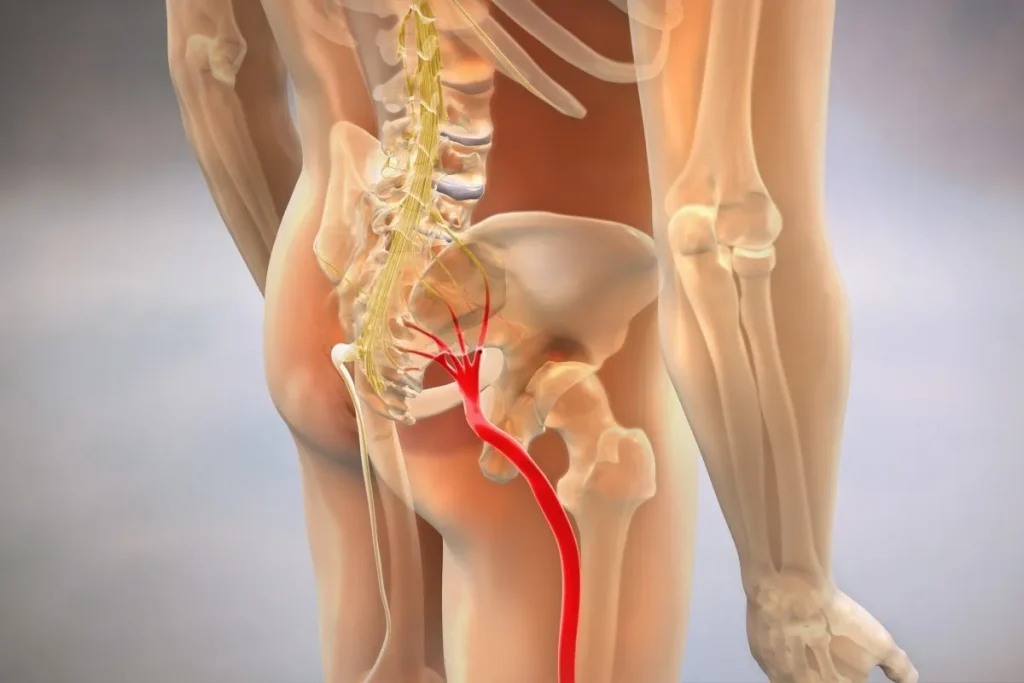
When the roots of the sciatic nerve become pinched or irritated in the lumbar spine, pain signals travel down through the buttock, thigh, calf, and sometimes into the foot.
How Is Interventional Pain Management Different from Conventional Sciatica Care?
When facing sciatica, many patients find themselves caught between two traditional extremes: temporary relief from oral medications or major spinal surgery. Interventional pain management fills the critical gap between these approaches.
+-----------------------------------------------------------------------------------+
|                        Comparing Sciatica Care Approaches                         |
+-------------------+--------------------------------+------------------------------+
| Treatment Model   | Primary Focus                  | Key Advantage / Limitation   |
+-------------------+--------------------------------+------------------------------+
| Conventional Care | Systemic oral medications,     | Provides temporary relief;   |
|                   | bed rest, general heat/ice     | does not treat local source. |
+-------------------+--------------------------------+------------------------------+
| Interventional    | Image-guided target injections, | High precision, non-surgical,|
| Pain Medicine     | nerve blocks, radiofrequency   | minimal downtime.            |
+-------------------+--------------------------------+------------------------------+
| Surgical          | Mechanical structural repair   | Necessary for severe cases;  |
| Interventions     | (discectomy, laminectomy)      | higher risk, longer recovery.|
+-------------------+--------------------------------+------------------------------+
A dedicated pain management specialist uses advanced imaging technology to locate the precise source of nerve compression. Rather than flooding the entire body with oral painkillers, interventional care delivers therapeutic anti-inflammatory medication directly to the irritated nerve root.
This targeted approach minimizes medication side effects, provides fast-acting relief, and creates a critical window of comfort that allows you to participate effectively in rehabilitation.
How Does Modern Interventional Sciatica Treatment Work?
If conservative remedies like rest and over-the-counter anti-inflammatories fail to provide relief after two to three weeks, an interventional pain doctor can perform precision-guided therapies. Here is how a typical non-surgical pathway unfolds:
+-----------------------------------------------------------------------------------+
|                       Step-by-Step Interventional Pathway                         |
+-----------------------------------------------------------------------------------+
| 1. Precision Clinical Diagnosis                                                   |
|    Detailed physical exam combined with MRI or CT imaging to pin-point the compression|
+-----------------------------------------------------------------------------------+
| 2. Fluoroscopic Mapping                                                           |
|    Real-time X-ray guidance ensures absolute accuracy before any injection        |
+-----------------------------------------------------------------------------------+
| 3. Targeted Epidural Injections                                                   |
|    Anti-inflammatory medication is applied directly to the compressed nerve root    |
+-----------------------------------------------------------------------------------+
| 4. Pulsed Radiofrequency (PRF) Neuromodulation                                    |
|    Electrical pulses calm hypersensitive nerve fibers when pain persists          |
+-----------------------------------------------------------------------------------+
| 5. Active Rehabilitation Integration                                              |
|    Targeted physical therapy stabilizes core strength during the pain-free window  |
+-----------------------------------------------------------------------------------+
- Precision Clinical Diagnosis: The physician evaluates your neurological function and reviews detailed imaging (such as an MRI) to identify which specific spinal disc or bone spur is impinging on the nerve.
- Fluoroscopic Mapping: Using real-time X-ray guidance (fluoroscopy), the doctor maps the exact anatomical pathway leading to the inflamed nerve root.
- Targeted Epidural Steroid Injections (ESI): A concentrated anti-inflammatory solution is delivered into the epidural space directly surrounding the pinched nerve. This significantly reduces localized swelling and pressure.
- Pulsed Radiofrequency (PRF) Neuromodulation: For chronic cases, specialized electrical energy is applied near the nerve to calm down hyperactive pain signals without causing structural damage to the nerve tissue.
- Active Physical Rehabilitation: Once the intense pain subsides, guided physical therapy helps strengthen core stabilization muscles, protecting your spine against future flare-ups.
Primary Types of Non-Surgical Sciatica Treatments
Finding what is the best treatment for sciatica pain depends on whether your pain is acute (sudden and severe) or chronic (persisting for months). Medical guidelines supported by the International Association for the Study of Pain (IASP) emphasize matching the treatment intensity to the underlying pathophysiology.
1. Epidural Steroid Injections (Transforaminal ESI)
Transforaminal injections are often considered the gold standard in non-surgical sciatica management. By entering through the nerve opening (foramen) where the nerve exits the spinal cord, high concentrations of medication clear out inflammatory proteins directly surrounding the root.
2. Pulsed Radiofrequency (PRF) of the Lumbar Dorsal Root Ganglion
When nerve irritation persists despite injections, PRF delivers mild electrical pulses to alter how the nerve processes pain signals. This neuromodulatory technique offers long-lasting comfort without disrupting motor or sensory function.
3. Targeted Physical Therapy and Biomechanical Correction
Once acute pain is managed, structured exercises correct posture, relieve hamstring tightness, and strengthen deep abdominal muscles. Rehabilitation prevents re-injury by stabilizing the lower lumbar spine.
+------------------------------------------------------------------------------------+
|                         Sciatica Treatment Comparison Table                        |
+-------------------------+-------------------------+--------------------------------+
| Treatment Option        | Ideal Candidate         | Key Benefit                    |
+-------------------------+-------------------------+--------------------------------+
| Transforaminal ESI      | Acute disc herniation,  | Immediate reduction in local   |
|                         | severe radiating leg pain| nerve inflammation             |
+-------------------------+-------------------------+--------------------------------+
| Pulsed Radiofrequency   | Chronic sciatica, persistent| Long-term pain relief without  |
|                         | nerve hypersensitivity  | surgical structural alteration  |
+-------------------------+-------------------------+--------------------------------+
| Guided Physical Therapy | Post-acute phase, mild  | Restores core balance and      |
|                         | mechanical low back pain| prevents future recurrence     |
+-------------------------+-------------------------+--------------------------------+
Who Is Suitable for Interventional Sciatica Relief?
You may be an ideal candidate for non-surgical pain relief if you fit into any of the following categories:
- You experience sharp, burning, or aching pain that radiates down one buttock and leg.
- Your pain worsens when sitting for prolonged periods, coughing, or sneezing.
- Oral anti-inflammatory medications and bed rest have failed to provide meaningful relief after 2 to 4 weeks.
- You want to avoid major spinal surgery or are not medically cleared for open surgical procedures.
- Persistent leg pain prevents you from completing physical therapy sessions.
Note: Immediate emergency medical attention is required if you experience progressive leg weakness, numbness in the groin area (saddle anesthesia), or loss of bowel/bladder control. These symptoms may indicate Cauda Equina Syndrome, a serious surgical emergency.

What to Expect Before, During, and After Treatment
It is completely normal to feel apprehensive about spinal procedures. Understanding what happens at each stage can help ease anxiety.
- Before the Procedure: Your medical team reviews your imaging, clears any blood-thinning medications if necessary, and answers all your procedural questions.
- During the Procedure: Treatments are performed on an outpatient basis under local anesthesia. Fluoroscopic imaging ensures the needle is placed with sub-millimeter precision. The procedure typically takes 15 to 30 minutes.
- After the Procedure: You will rest in a recovery room for a short observation period before heading home the same day. Most patients resume light, normal daily routines within 24 to 48 hours. Clinical experience suggests peak anti-inflammatory benefits usually manifest within 3 to 7 days.
When Should You Consider Seeing an Interventional Pain Specialist?
If you have been managing severe lower back and leg pain for more than two to three weeks without clear improvement, continuing with passive rest or high doses of oral medication is rarely effective. Early intervention prevents acute nerve inflammation from turning into chronic nerve damage.
Consulting a fellowship-trained interventional pain doctor is the logical next step. A expert evaluation will pinpoint whether your pain originates from a herniated disc, piriformis syndrome, or spinal stenosis.
If you are looking for an experienced pain specialist in Kondapur, Dr. P. Purohithi provides comprehensive diagnostic care and advanced interventional treatments. Holding FIPM (Fellowship in Interventional Pain Management) and IDRA qualifications, Dr. Purohithi focuses on precisely targeting the root cause of nerve irritation using image-guided techniques.
By practicing at leading clinical facilities—including Apollo Hospital, Kondapur and Meraki Pain Management Center—she helps patients achieve lasting sciatica relief through safe, non-surgical care tailored to their unique lifestyle needs.
Frequently Asked Questions
What is the fastest way to cure sciatica pain?
There is no overnight cure, but targeted transforaminal epidural steroid injections often provide the fastest reduction in acute pain. By delivering powerful anti-inflammatory medication directly to the compressed nerve root under image guidance, localized swelling drops rapidly, offering relief within a few days.
Can sciatica resolve on its own without surgery?
Yes, in fact, studies show that up to 80-90% of sciatica cases improve over time without open spine surgery. Non-surgical interventional treatments help accelerate this natural healing process by keeping pain manageable so you can stay active and undergo rehabilitation.
Is an epidural steroid injection for sciatica painful?
The procedure is performed under local anesthesia to numb the skin and underlying tissues, minimizing discomfort. Most patients report feeling only a light pressure sensation rather than sharp pain during the injection.
How do I know if I need to see a pain specialist in Kondapur?
If your leg pain persists beyond two weeks, limits your ability to walk or sleep, or does not respond to basic medications and physiotherapy, you should consult a pain management specialist. A specialist can perform advanced diagnostic imaging and offer targeted non-surgical therapies.
What treatments are offered at Meraki Pain Management Center for sciatica?
At Meraki Pain Management Center, care begins with an in-depth diagnostic evaluation followed by personalized, image-guided therapies. Options include transforaminal epidural injections, nerve root blocks, pulsed radiofrequency neuromodulation, and coordinated physical rehabilitation plans designed to treat the source of your pain.
How long does relief from an interventional sciatica injection last?
Relief duration varies depending on the underlying cause of nerve compression. In most cases, a targeted injection provides several months of substantial pain relief, creating a window for tissues to heal and for patients to strengthen their core through physical therapy.
Take the First Step Toward a Pain-Free Life
You do not have to let shooting leg pain dictate your daily routine or force you into unnecessary surgical risks. Modern interventional pain medicine offers safe, precise, and highly effective options to relieve nerve inflammation and restore your independence.
If you are seeking expert evaluation for sciatica pain in Hyderabad, Dr. P. Purohithi offers comprehensive diagnostic consultations at Apollo Hospital, Kondapur and Meraki Pain Management Center.


Leave a Comment