
Table of Contents
Steroid Injections for Pain: Myths, Risks, and Facts
When persistent joint stiffness or radiating spine discomfort interferes with basic daily movements, finding reliable answers becomes an urgent priority. Steroid injections for pain are among the most widely discussed yet frequently misunderstood medical interventions available today.
Whether a desk worker in Hyderabad is struggling with sharp sciatica while sitting, or an active adult finds severe knee pain preventing them from walking, misunderstanding corticosteroid therapies often leads to unnecessary hesitation or unrealistic expectations.
Many patients confuse localized targeted corticosteroids with systemic anabolic steroids used in bodybuilding, raising fears of severe side effects or immediate joint damage. Conversely, others view localized injections as a permanent cure for structural degeneration.
In reality, clinical evidence supported by the International Association for the Study of Pain (IASP) and the Indian Society for the Study of Pain (ISSP) demonstrates that steroid injections for pain serve as a powerful, precision-guided tool to break the cycle of chronic inflammation when administered appropriately by an experienced specialist.
Understanding the genuine medical facts, potential risks, and surrounding myths allows patients to make informed, confident choices regarding their non-surgical pain care options.
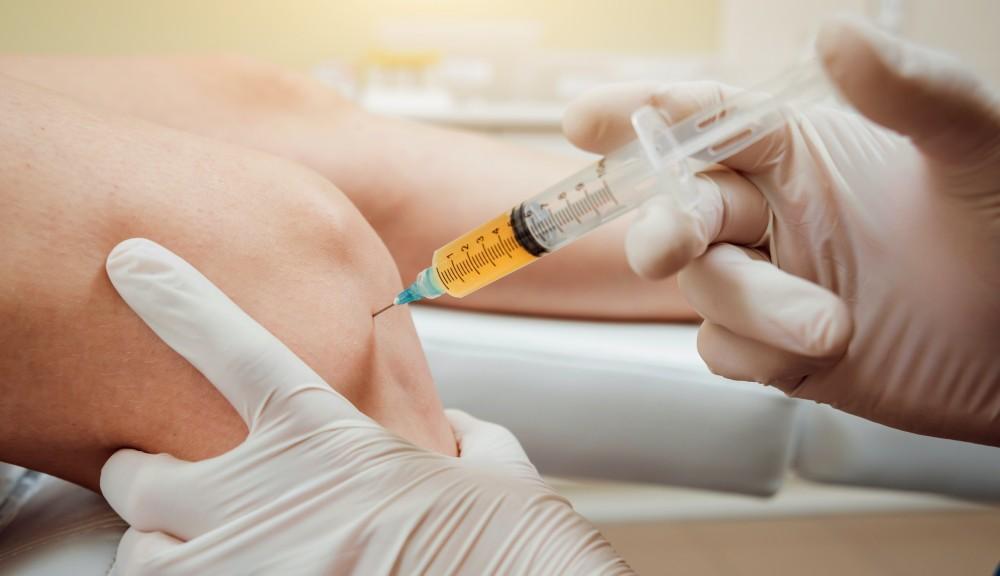
What Are Steroid Injections for Pain?
Steroid injections for pain deliver concentrated synthetic corticosteroids—potent anti-inflammatory medications mimicking natural cortisol—directly into irritated joints, epidural spaces, or surrounding nerve roots. Guided by real-time fluoroscopy or ultrasound, these precision injections quiet localized tissue swelling, reduce severe pain signals, and restore physical function without open surgical intervention.
Unlike systemic oral medications that travel through the entire bloodstream, image-guided interventional injections concentrate anti-inflammatory action precisely where tissue irritation originates. By suppressing hyperactive inflammatory cytokines at the focal point of injury, targeted corticosteroid therapy calms pinched spinal nerves, inflamed joint capsules, and swollen tendons, creating a crucial therapeutic window for long-term physical rehabilitation.
Debunking Common Myths About Corticosteroid Therapy
Navigating chronic pain care requires separating medical facts from popular misconceptions. Addressing these myths helps clarify how interventional pain medicine utilizes corticosteroids safely.
Myth 1: “Steroid injections are the same as bodybuilding steroids.”
The Fact: Corticosteroid injections use synthetic versions of cortisol, a hormone naturally produced by your adrenal glands to control inflammation. They are completely distinct from anabolic steroids, which are synthetic derivatives of testosterone used illegally for muscle hypertrophy and athletic performance enhancement.
Myth 2: “Injections are extremely painful and require hospital admission.”
The Fact: Modern interventional procedures are performed on a quick outpatient basis under local anesthesia. When performed by a fellowship-trained interventional pain doctor using micro-fine needles and real-time guidance, most patients report feeling only a brief pressure sensation rather than sharp pain.
Myth 3: “A steroid injection will permanently damage your joints.”
The Fact: Repeated, high-dose injections into the same joint without medical oversight can weaken cartilage or tendons over time. However, when administered strictly within established clinical guidelines—typically limited to 3 to 4 times per year under precision image guidance—corticosteroids remain a safe and proven treatment option.
Myth 4: “If you get one injection, it means you will eventually need surgery.”
The Fact: Targeted anti-inflammatory therapy is frequently used to prevent or delay surgical intervention. By calming severe acute flare-ups, injections allow patients to participate effectively in physiotherapy and lifestyle modification, addressing the underlying mechanical causes of their pain non-surgically.
How Is Interventional Pain Management Different from Standard Care?
Patients managing chronic spinal or peripheral pain often navigate three distinct tiers of medical treatment: conservative medications, interventional therapies, and open surgery.
       [ CONSERVATIVE CARE ]
  Oral Meds, Rest, General Physio
                │
                ▼ (If pain persists > 6 weeks)
  ┌───────────────────────────────────┐
  │  INTERVENTIONAL PAIN MANAGEMENT   │
  │  Image-Guided Precision Injections│
  │  (Targets exact nerve/joint site) │
  └───────────────────────────────────┘
                │
                ▼ (If structural emergency exists)
         [ MAJOR SURGERY ]
    Spinal Fusion / Joint Replacement
1. Traditional Oral Pharmacological Therapy
Primary care strategies rely heavily on oral non-steroidal anti-inflammatory drugs (NSAIDs), muscle relaxants, and neuropathic medications. While helpful for temporary acute symptoms, taking high-dose oral anti-inflammatories over extended periods poses risks of gastric ulcers, hypertension, and renal impairment. Crucially, oral pills diffuse throughout the entire body rather than targeting the specific irritated facet joint or nerve sheath.
2. Open Surgical Procedures
Major operations like spinal fusion, microdiscectomy, or total joint replacement are designed to modify anatomy structurally. While essential for severe neurological deficits or complete structural failure, surgery involves general anesthesia, tissue disruption, hospital stays, and lengthy recovery periods.
3. The Interventional Specialty Approach
An interventional pain management specialist utilizes precise diagnostic imaging to target the exact source of pain. Delivering anti-inflammatory agents directly to the target tissue achieves high local medication concentration while using minimal total dosage. This provides effective non-surgical pain relief with minimal systemic side effects and zero surgical downtime.
How an Image-Guided Steroid Injection Procedure Works
To maximize safety and clinical efficacy, interventional procedures follow a standardized, step-by-step clinical workflow.
1.Step 1: Clinical Mapping & Diagnostic Imaging Review: Locating the exact anatomical pain generator.
A thorough neurological and physical evaluation is conducted alongside high-resolution MRI, CT, or X-ray reviews to map the exact joint capsule, bursa, or irritated nerve root driving your symptoms.
2.Step 2: Patient Positioning & Local Numbing: Ensuring complete patient comfort and relaxation.
In a dedicated outpatient procedure suite, the patient is positioned comfortably. The skin over the target anatomical area is meticulously sterilized, and a local anesthetic is applied to numb superficial tissues completely.
3.Step 3: Real-Time Precision Image Guidance: Precision placement using live X-ray or ultrasound.
Using live fluoroscopy (C-arm X-ray) or high-definition musculoskeletal ultrasound, the specialist guides a micro-fine needle to within millimeters of the target nerve or joint structure, ensuring optimal safety.
4.Step 4: Targeted Corticosteroid Delivery: Delivering localized anti-inflammatory medication.
A diagnostic contrast dye is injected to confirm accurate position, followed by a calibrated mixture of long-acting corticosteroid and local anesthetic to suppress hyperactive inflammatory signaling.
5.Step 5: Observation & Post-Care Rehabilitation Guidance: Monitoring stability and establishing recovery goals.
Following a brief 20-to-30-minute observation period in a recovery lounge, the patient receives clear post-procedure guidelines and a progressive physical therapy roadmap before returning home the same day.
Types of Steroid Injections for Pain: Procedure Comparison
Different anatomical areas require tailored delivery techniques. The comparison table below highlights how various interventional steroid applications operate across common chronic pain conditions.
| Procedure Category | Target Anatomical Area | Common Medical Indications | Primary Clinical Goal | Average Relief Duration |
| Epidural Steroid Injections (ESI) | Cervical, thoracic, or lumbar epidural space | Sciatica, herniated discs, spinal stenosis, radiculopathy | Quiets nerve root inflammation & reduces radiating leg/arm pain | 3 to 6+ months |
| Facet Joint Injections | Small stabilizing joints along the posterior spine | Spinal osteoarthritis, facet arthropathy, axial stiffness | Decreases localized spinal joint inflammation and stiffness | 2 to 5 months |
| Intra-Articular Joint Injections | Major peripheral joints (Knee, Hip, Shoulder) | Osteoarthritis, bursitis, frozen shoulder, rotator cuff irritation | Calms synovial lining inflammation & improves mobility | 3 to 6 months |
| Trigger Point Injections | Hyperirritable muscle knots (Myofascial bands) | Myofascial pain syndrome, chronic tension stiffness | Relaxes tight muscle fibers & interrupts local pain loops | Weeks to months |
| Sacroiliac (SI) Joint Injections | SI joint space between lower spine and pelvis | Sacroiliac joint dysfunction, localized low back/buttock pain | Calms pelvic-spinal joint inflammation to allow rehabilitation | 3 to 6 months |
Who Is Suitable for Image-Guided Steroid Injections?
Determining whether you are a candidate for targeted anti-inflammatory therapy involves an expert medical evaluation of your symptom history and diagnostic imaging.
       PAIN EVALUATION CHECKLIST

 [✓] Pain lasting > 4 to 6 weeks
 [✓] Inadequate relief from rest/physio
 [✓] Intolerance to oral anti-inflammatories
 [✓] Seeking to postpone or avoid surgery
 [✓] Localized inflammation on MRI/Ultrasound
You May Be a Candidate If:
- You experience persistent back, neck, shoulder, or knee pain lasting longer than 4 to 6 weeks that limits daily mobility.
- Routine physical therapy or rest has provided incomplete symptom relief due to severe baseline tissue inflammation.
- You experience stomach distress, elevated blood pressure, or acid reflux from oral pain medications.
- You wish to avoid major open surgery or are seeking a non-surgical therapy to facilitate active physical rehabilitation.
- Advanced imaging (MRI/Ultrasound) confirms focal nerve inflammation, disc protrusion, joint effusion, or bursitis.

What to Expect: Before, During, and After Treatment
Knowing what occurs before, during, and after a procedure helps alleviate anxiety and prepares you for a smooth recovery.
Before the Procedure
Your specialist will review your full medical history, allergies, and current medications. If you take blood-thinning agents or diabetic medications, clear guidance will be provided on how to adjust your dosing schedule temporarily under physician supervision.
During the Procedure
- Comfortable Environment: Performed in a sterile outpatient procedure room, the intervention takes only 15 to 20 minutes.
- Minimal Discomfort: Local anesthetic numbs the target pathway, making the procedure well-tolerated for most patients.
- Continuous Monitoring: Real-time imaging ensures maximum precision, keeping medication concentrated on affected tissues while protecting surrounding structures.
After the Procedure
- Same-Day Discharge: You can walk out of the clinic shortly after a brief recovery observation period.
- Temporary “Steroid Flare”: Mild, temporary soreness at the injection site may occur for 24 to 48 hours before anti-inflammatory benefits take full effect.
- Gradual Relief: Significant reduction in pain typically begins within 3 to 7 days, opening a window of opportunity to resume structured physiotherapy.
When Should You Consider Seeing an Interventional Pain Specialist in Hyderabad?
If you have been managing chronic pain for more than 6 weeks with limited relief from medication or physiotherapy, a consultation with a fellowship-trained interventional pain specialist is the logical next step. Dr. P. Purohithi at Apollo Hospital, Kondapur, Hyderabad, specializes in precisely diagnosing and treating the source of your pain using image-guided, minimally invasive techniques—without defaulting to surgery.
Holding advanced credentials including FIPM (Fellowship in Interventional Pain Management) and IDRA, Dr. Purohithi serves as the lead specialist at Meraki Pain Management Center. By combining precise fluoroscopic and ultrasound guidance with targeted anti-inflammatory therapies, nerve modulation, and regenerative care, Dr. Purohithi helps patients achieve lasting functional restoration.
At a dedicated pain clinic Hyderabad residents trust, treatments are tailored to the individual, ensuring every procedure is safe, accurate, and aligned with international clinical standards.
Frequently Asked Questions
Are steroid injections for pain safe for diabetic patients?
While corticosteroids can cause a temporary elevation in blood glucose levels for 2 to 5 days, image-guided injections use minimal medication doses focused locally rather than systemically. Diabetic patients can receive injections safely under medical monitoring and short-term blood sugar tracking.
How quickly do steroid injections for pain begin working?
The local anesthetic provides temporary relief for the first few hours. The corticosteroid component typically begins reducing tissue inflammation within 3 to 7 days, with peak relief occurring around 2 weeks post-procedure.
How often can I safely receive a corticosteroid injection?
Clinical guidelines generally recommend limiting steroid injections into the same anatomical joint or epidural space to no more than 3 to 4 times within a 12-month period to protect surrounding cartilage and connective tissue health.
How much do steroid injections for pain cost in Hyderabad?
Procedural costs vary depending on whether live fluoroscopy or ultrasound guidance is required, the specific anatomical site targeted, and hospital day-care facilities. A formal diagnostic consultation provides a clear breakdown tailored to your plan.
Can a steroid injection eliminate my need for knee replacement surgery?
For patients with mild-to-moderate osteoarthritis or focal joint inflammation, targeted injections can significantly reduce pain and restore function, often helping delay or avoid major joint replacement surgery when paired with rehabilitation.
What is the difference between an epidural injection and a joint injection?
An epidural injection delivers anti-inflammatory medication into the epidural space surrounding spinal nerves to treat radiating disc pain or sciatica. A joint injection targets specific joint capsules, such as the knee, shoulder, or spinal facet joint.
How do I prepare for my first consultation with a pain specialist Kondapur?
Bring your complete medical history, previous treatment records, and recent diagnostic imaging (MRI or X-ray scans). Wearing comfortable clothing makes physical and mobility evaluations easier during your visit.
Why choose Dr. P. Purohithi at Meraki Pain Management Center for your procedure?
Dr. P. Purohithi possesses specialized fellowship training (FIPM, IDRA) in image-guided interventional pain techniques. Practicing within Apollo Hospital, Kondapur, Dr. Purohithi offers precise diagnostic evaluations and individualized non-surgical treatment plans in a world-class facility.

Take the First Step Toward Lasting Non-Surgical Pain Relief
Chronic spine, joint, or nerve pain should not prevent you from enjoying daily life or fulfilling work obligations. Understanding the real facts about steroid injections for pain reveals a safe, targeted option for calming severe inflammation and restoring movement.
If you are seeking expert non-surgical care in Hyderabad, Dr. P. Purohithi at Meraki Pain Management Center (Apollo Hospital, Kondapur) offers thorough diagnostic evaluations before recommending any targeted therapy.
Take control of your health today and explore advanced non-surgical treatment options.
- Clinical Facility: Meraki Pain Management Center, Apollo Hospital, Kondapur, Hyderabad
- Direct Helpline: +91 88856 23283



Leave a Comment