
Table of Contents
Do Kids Feel Pain When Growing? Causes, Red Flags, and Pediatric Pain Relief
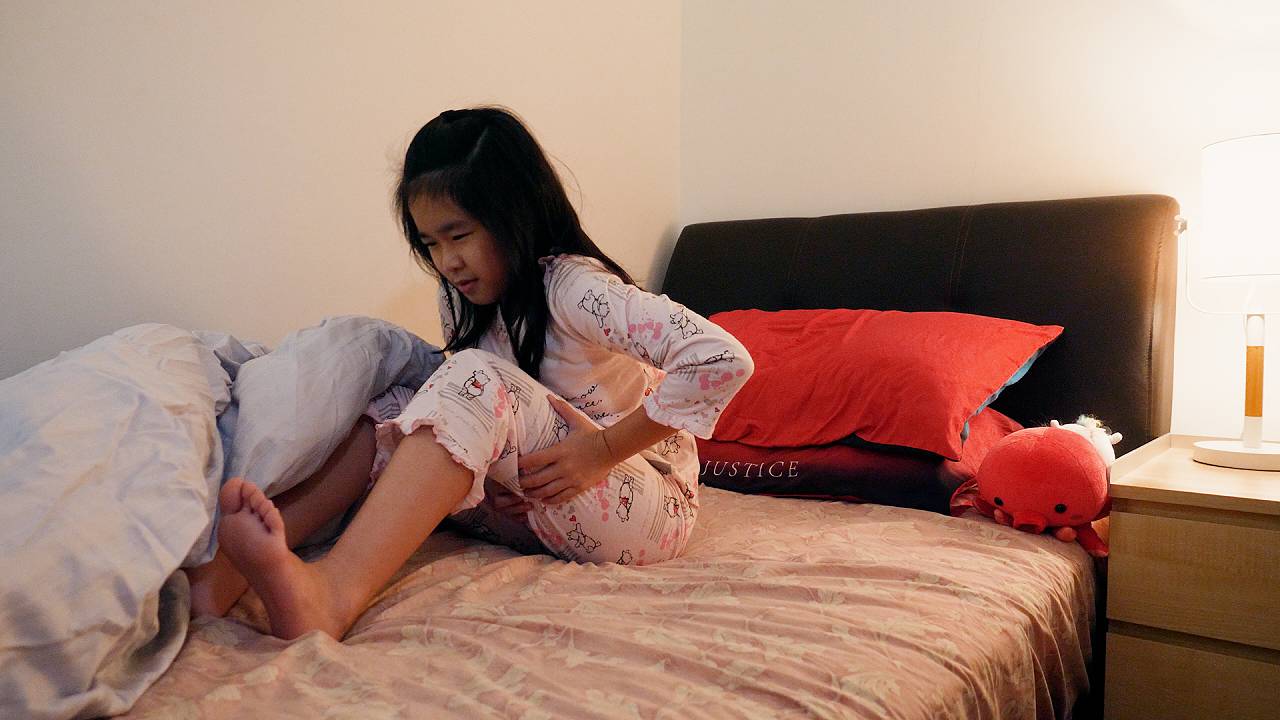
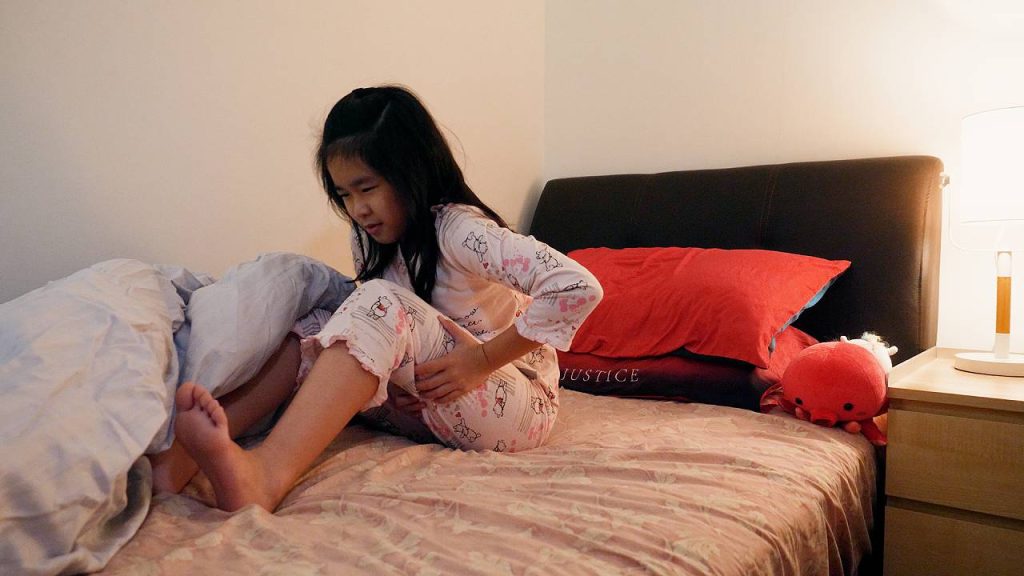
As a parent watching your child wake up crying in the middle of the night rubbing their shins or thighs, it is completely natural to ask: do kids feel pain when growing? Nighttime lower limb aches are incredibly common in young children and teenagers, often causing distress for the entire household.
In bustling cities like Hyderabad, parents frequently balance busy routines while worrying whether their child’s complaints are benign “growing pains” or an early sign of an underlying joint, bone, or nerve issue. While the term implies that expanding bones cause physical discomfort, pain medicine reveals a more complex picture involving physical fatigue, bone strain, and subtle nerve signaling changes.
Understanding why children experience recurring musculoskeletal discomfort—and knowing how to distinguish harmless growing sensations from conditions requiring professional evaluation—is essential. Modern pain medicine emphasizes comprehensive, non-invasive evaluation and targeted non-surgical pain relief strategies to keep active children comfortable and thriving.
What Are Growing Pains in Children?
Daytime Activity vs. Nighttime Discomfort in Children
Children are naturally active during the day. Running, jumping, playing, and other physical activities place repeated demands on the muscles and soft tissues of the lower limbs. By evening, some children may notice aching or discomfort more clearly, particularly when they become less distracted and settle down to rest.
How Can Daytime Activity Contribute to Evening Discomfort?
During active play, children’s lower-limb muscles and surrounding soft tissues experience repeated loading. In some cases, prolonged or intense activity may contribute to temporary muscle fatigue or soft-tissue strain.
At night, the absence of daytime activity and distractions can make existing sensations more noticeable.
| High Daytime Activity | Nighttime Rest |
|---|---|
| Running and jumping | Fewer sensory distractions |
| Repeated musculoskeletal loading | Greater awareness of existing discomfort |
| Temporary muscle fatigue | Aching may become more noticeable during quiet periods |
| Soft-tissue stress | Rest may bring attention to sensations that were less noticeable during play |
Understanding Why Kids Experience Growing Pains
Yes, kids do feel pain when growing, typically known as benign nocturnal limb pains of childhood. Contrary to popular belief, the pain is not caused by bones expanding, but rather by muscle overuse, physical fatigue, and lower pain thresholds at night. It affects up to 37% of children aged 3 to 12 years.
According to research recognized by the International Association for the Study of Pain (IASP), growing pains are a benign, recurrent pain syndrome characterized by deep, bilateral aching in the thighs, calves, or shins. The discomfort almost always occurs in the late afternoon, evening, or nighttime, leaving the child completely pain-free by morning.
How Is Interventional Pain Management Different from Standard Care?
When a child experiences persistent or unusual limb pain, parents often find themselves navigating between home remedies and worries about invasive diagnostic testing. Interventional pain management offers an empathetic, evidence-based approach focused on precise evaluation and non-surgical solutions.
Standard Conservative Care
Standard home management typically involves warm baths, gentle massages, heating pads, and occasional over-the-counter pain relievers like paracetamol or ibuprofen. While these measures offer temporary relief for benign muscular fatigue, relying repeatedly on oral medications without understanding the root cause can mask subtle mechanical issues, such as flat feet, hypermobility, or early tendon strain.
Traditional Invasive or Overly Aggressive Options
When leg pain is persistent, parents sometimes fear invasive surgical consultations or unnecessary, uncomfortable testing. Aggressive interventions are rarely appropriate for pediatric growing pains unless significant structural, neurological, or inflammatory pathology is identified through detailed diagnostic screening.
The Interventional Pain Specialty
An interventional pain doctor approaches pediatric and adolescent musculoskeletal discomfort with extreme care, using non-invasive, high-resolution diagnostic ultrasound and specialized biomechanical evaluations. By analyzing gait, joint flexibility, and soft tissue structures without radiation or discomfort, a pain specialist pinpoints exact physical triggers. Targeted non-surgical pain relief—ranging from physical therapy and custom orthotics to gentle physical modalities—is used to calm irritated tissues safely and effectively.
How Pediatric Pain Evaluation Works: A Step-by-Step Clinical Protocol
Evaluating recurring leg pain in children requires a compassionate, step-by-step diagnostic and management strategy to ensure safety and restore peaceful sleep.
1.Step 1: Comprehensive Pediatric Pain Assessment:Gathering a detailed clinical history to identify pain characteristics.
A specialist conducts a thorough interview with the parent and child, mapping out pain timing, intensity, location, and daily activity levels. Confirming that pain occurs bilaterally and only at night helps establish a clear clinical picture.
2.Step 2: Biomechanical & Gait Evaluation:Evaluating joint mobility, alignment, and muscle tension.
The physician examines the child’s posture, foot arches, knee alignment, and joint flexibility. Identifying conditions like hypermobility syndrome or flat feet helps explain why lower leg muscles fatigue quickly during daytime play.
3.Step 3: Radiation-Free High-Resolution Ultrasound Screening:Rule out structural issues without uncomfortable tests or radiation.
If localized swelling, joint tenderness, or tendon distress is present, high-resolution diagnostic ultrasound is used to inspect muscle fibers, growth plates, and bursae safely without radiation exposure.
4.Step 4: Non-Surgical Muscle Conditioning & Comfort Plan:Creating a gentle, practical home and activity routine.
A customized care plan is designed, incorporating targeted calf and hamstring stretches, proper footwear recommendations, heat therapy routines, and structured activity modifications to prevent evening muscle exhaustion.
5.Step 5: Follow-Up & Milestone Monitoring:Reassuring parents and monitoring healthy developmental milestones.
Regular follow-ups ensure that the child remains pain-free, active during the day, and sleeping peacefully at night, confirming that developmental milestones proceed smoothly without underlying joint stress.

Primary Triggers Behind Nighttime Leg Pain in Children
While bones do not produce pain signals simply by expanding, several physiological and mechanical factors explain why kids feel pain when growing.
1. Musculoskeletal Overuse and Muscle Fatigue
Children possess abundant energy and spend hours running, jumping, and climbing. The muscles, tendons, and growth plate attachments in their lower legs endure significant repetitive micro-stress. By evening, fatigued muscles contract, triggering deep, aching discomfort in the thighs and calves.
2. Anatomical and Biomechanical Variations
Children with flat feet (pes planus), mild knock-knees, or joint hypermobility require greater muscular effort to stabilize their legs during basic running and walking. This mechanical strain accelerates daytime muscle fatigue, leading to more frequent nighttime pain flares.
3. Lowered Nighttime Sensory Thresholds
Similar to adult nerve pain, ambient sensory distractions vanish in a dark, quiet bedroom. Without daytime activities to occupy the brain, a child becomes hyper-focused on mild muscular aches, amplifying their perception of pain.
4. Vascular Changes and Local Micro-Fatigue
Some clinical studies suggest that minor transient perfusion changes or vascular micro-fatigue in lower limb muscles following heavy exertion can trigger localized aching when the child is at rest.
Comparison of Pediatric Leg Pain Features
| Clinical Feature | Benign Growing Pains | Serious Joint / Inflammatory Issues |
| Pain Timing | Late afternoon, evening, or middle of the night | Persistent throughout the day or worst in the morning |
| Location | Both legs (bilateral); deep in calves, thighs, or shins | Single joint (unilateral); localized to one knee, hip, or ankle |
| Daytime Activity | Child plays normally during the day without limping | Child limps, avoids walking, or refuses to play |
| Physical Findings | No redness, swelling, heat, or joint tenderness | Visible joint swelling, warmth, redness, or fever |
| Response to Touch | Comforted by gentle massage, holding, or warm packs | Rejects physical touch due to severe localized tenderness |
Red Flags: When Is It More Than Just Growing Pains?
While growing pains are completely harmless, parents should monitor for specific warning signs that require prompt evaluation by a specialist.
You Should Seek Specialist Evaluation If Your Child Has:
- Pain localized to a single leg, knee, hip, or foot rather than both legs.
- Persistent morning stiffness or limping after waking up.
- Visible joint swelling, redness, warmth, or skin rashes.
- Unexplained fever, weight loss, or persistent daytime fatigue.
- Severe pain that persists through the morning and limits normal physical play.
What to Expect: Before, During, and After a Evaluation
Understanding what happens during an expert evaluation helps ease anxiety for both parent and child.
Before the Evaluation
Keep a simple 1-week pain diary noting when the pain occurs, what activities the child did that day, how long the pain lasted, and what helped soothe it. This information gives your specialist valuable clinical context.
During the Evaluation
- Welcoming Environment: Clinical consultations are designed to keep children relaxed, calm, and comfortable.
- Non-Invasive Examination: The specialist gently checks joint range of motion, observes the child’s gait, and examines foot arches.
- Instant Reassurance: If diagnostic ultrasound is used, parents can view the soft tissues on screen in real time, confirming healthy joints and growth plates.
After the Evaluation
- Tailored Guidance: You receive a clear, structured management plan detailing evening stretching routines, proper footwear choices, and comfort strategies.
- Restored Sleep: Following a guided conditioning routine helps reduce nighttime awakenings, allowing the entire family to enjoy undisturbed sleep.
When Should You Consider Seeing an Interventional Pain Specialist?
If your child experiences recurring limb pain that disrupts sleep multiple nights a week, or if you feel uncertain about whether the pain is purely benign, consulting a fellowship-trained specialist provides clarity. Dr. P. Purohithi at Apollo Hospital, Kondapur, Hyderabad, specialises in precisely diagnosing and managing complex pediatric and adult musculoskeletal pain using non-surgical, evidence-based approaches.
Holding prestigious international qualifications, including FIPM (Fellowship in Interventional Pain Management) and IDRA, Dr. Purohithi provides compassionate care at Meraki Pain Management Center. By combining detailed biomechanical assessments with high-resolution ultrasound evaluations, Dr. Purohithi helps rule out underlying joint issues, offering reassuring guidance and effective non-surgical pain relief.
Frequently Asked Questions
At what age do growing pains typically start and stop?
Growing pains most commonly begin between the ages of 3 and 5, and often flare again between ages 8 and 12. They typically resolve on their own by early adolescence as musculoskeletal structures mature.
How do I know if my child needs a pain management specialist?
If your child’s leg pain occurs during the day, causes limping, involves joint swelling, or fails to improve with basic stretching and comfort measures, consulting a pain management specialist Hyderabad ensures an accurate diagnostic evaluation.
Can growing pains cause a fever or joint swelling?
No. True growing pains never cause fever, joint swelling, redness, or local skin warmth. If any of these symptoms appear, prompt medical evaluation is necessary to rule out infection or joint inflammation.
Do flat feet make growing pains worse in children?
Yes. Flat feet alter normal leg alignment, causing calf and thigh muscles to work significantly harder during walking and running. This additional stress often leads to more frequent evening leg aches.
How much does a pediatric pain evaluation cost in Hyderabad?
The cost of a comprehensive diagnostic consultation depends on whether non-invasive imaging like high-resolution ultrasound or gait analysis is required. Consulting an established pain clinic Hyderabad provides transparent pricing details.
Can gentle physical therapy help reduce my child’s growing pains?
Yes. Targeted, play-based physical therapy focusing on stretching tight calves and hamstrings while strengthening core and foot muscles significantly reduces daytime muscle fatigue and nighttime pain.
Can I consult Dr. P. Purohithi at Apollo Hospital Kondapur for my child’s leg pain?
Yes. Dr. P. Purohithi evaluates pediatric and adolescent musculoskeletal pain disorders, providing reassuring, non-surgical management plans at Meraki Pain Management Center, located within Apollo Hospital, Kondapur, Hyderabad.

Reclaim Peaceful Sleep and Active Childhood Days
Answering the question “do kids feel pain when growing” gives parents the knowledge needed to manage nighttime aches with confidence. You do not have to wonder in silence or worry about whether your child’s discomfort is normal.
If you are seeking a expert diagnostic evaluation or non-surgical guidance in Hyderabad, Dr. P. Purohithi at Meraki Pain Management Center (Apollo Hospital, Kondapur) offers empathetic, comprehensive care tailored to your family’s needs.



Leave a Comment