
Table of Contents
What Are the Common Causes of Low Back Pain? A Patient’s Guide to Understanding and Relief
Understanding what are the common causes of low back pain? is the first step toward reclaiming your daily comfort, mobility, and peace of mind. Lower back discomfort is one of the most widespread medical complaints worldwide, affecting millions of adults at some point in their lives. Whether it presents as a dull, constant ache after sitting at a office desk or a sharp, catching pain when bending down to pick up a package, lumbar pain can turn routine tasks into exhausting challenges.
For busy working professionals, active adults, and seniors across Hyderabad, back stiffness often leads to missed workdays, restricted social plans, and interrupted sleep. Many patients try to tough it out with temporary rest, heating pads, or over-the-counter painkillers, hoping the pain will fade on its own.
However, when lower back discomfort persists beyond a few weeks, relying solely on surface remedies can leave the true anatomical source untreated. Exploring the structural, neurological, and biomechanical factors behind lumbar pain empowers you to seek targeted non-surgical pain relief that addresses the root cause rather than just masking symptoms.

What Are the Common Causes of Low Back Pain?
The common causes of low back pain range from mechanical muscle strains and intervertebral disc herniations to lumbar facet joint arthritis, sacroiliac joint dysfunction, and spinal nerve root compression (sciatica). These conditions trigger tissue inflammation and heightened sensory nerve signaling within the lower spinal column.
According to clinical guidelines established by the International Association for the Study of Pain (IASP) and the Indian Society for the Study of Pain (ISSP), lumbar pain is rarely a single, uniform disorder. The lower spine is a complex network of interlocking vertebrae, cushioning cartilage discs, facet joints, ligaments, and sensitive nerve roots, meaning an injury to any of these structures can refer pain across the lower back, buttocks, and legs.
Breakdown of Key Anatomical Sources of Lower Back Pain
To better understand what are the common causes of low back pain?, it helps to look at the specific structures in your spine that can become inflamed or irritated.
1. Intervertebral Disc Herniation and Bulges
Spinal discs act as flexible shock absorbers between your vertebrae. Over time, repetitive lifting, twisting, or natural age-related degeneration can cause the tough outer ring of a disc to weaken. When the inner gel-like core bulges outward or herniates, it can press directly against nearby spinal nerves, causing localized back pain or sharp, shooting pain down the leg (sciatica).
2. Lumbar Facet Joint Arthritis (Spondylosis)
Facet joints are small, cartilage-lined joints located at the back of each vertebra that allow your spine to bend and twist smoothly. When cartilage wears down due to wear and tear, bone-on-bone friction causes inflammation, localized stiffness, and a deep, aching pain in the lower back that often feels worse when leaning backward or standing for long periods.
3. Sacroiliac (SI) Joint Dysfunction
The sacroiliac joints connect the base of your spine (sacrum) to your pelvis. Excess tightness or joint instability caused by uneven gait, pregnancy, or prior injury can trigger sharp or throbbing pain localized to one side of the lower back and upper buttock.
4. Lumbar Spinal Stenosis
Spinal stenosis occurs when the bony spinal canal narrows over time, squeezing the central spinal cord or radiating nerve roots. This condition frequently causes heaviness, cramping, or numbness in both legs when walking, which typically improves when sitting or leaning forward over a shopping cart.
5. Myofascial Strain and Ligamentous Instability
Sudden awkward movements, heavy lifting without core support, or hours of static desk sitting can cause micro-tears in the lumbar muscles and supportive ligaments. While acute strains usually heal within 2 to 4 weeks, persistent muscle guarding can lead to painful muscle knots (trigger points) that perpetuate chronic stiffness.
How Is Interventional Pain Management Different from Standard Care?
Understanding the primary causes of lumbar discomfort highlights why modern interventional medicine offers a clear advantage over routine medication management and major open surgery.
Traditional Care vs. Interventional Pain Medicine
| Traditional Pain Management | Interventional Pain Management |
|---|---|
| Uses oral medicines to help manage pain | Targets the specific area causing pain |
| Medicines can affect the whole body | Treatments focus on the affected area |
| May provide temporary pain relief | May help reduce pain by targeting specific nerves or pain sources |
| Medicines may cause side effects | Some procedures may reduce the need for medicines |
| Treatment may require ongoing medication | Recovery time may be short, depending on the procedure |
Traditional Pharmacological Care
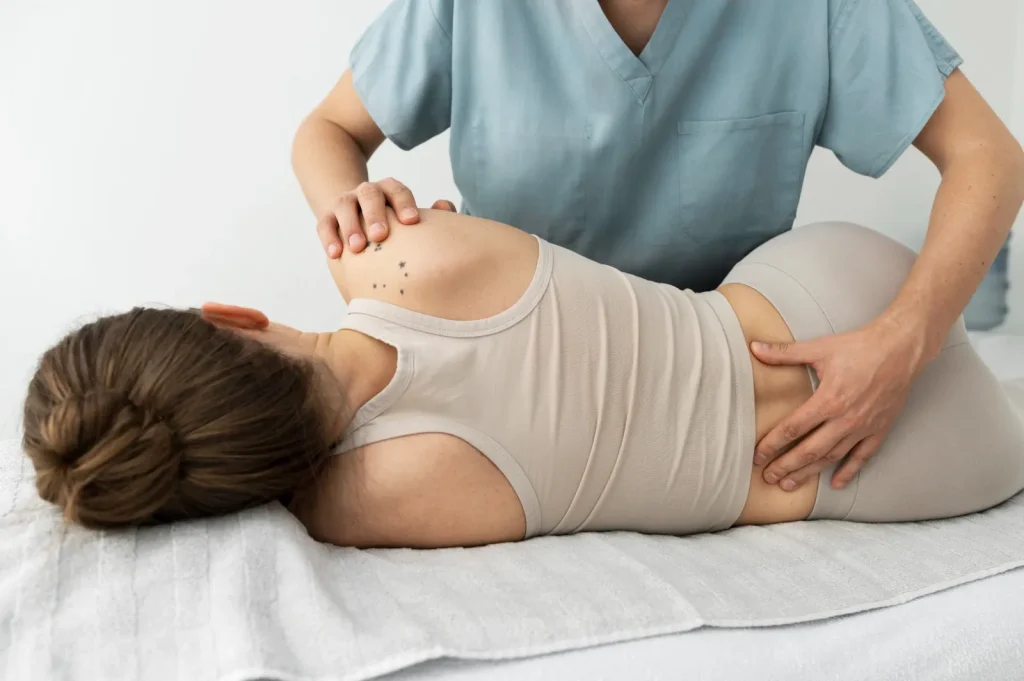
Primary care approaches often focus on oral pain relievers, muscle relaxants, and anti-inflammatory drugs. While useful for acute flare-ups, taking oral medications long-term carries risks of stomach ulcers, acidity, and kidney burden. Furthermore, pills distribute systemically throughout your entire body rather than targeting the single inflamed facet joint or pinched nerve root.
Major Surgical Options
When conservative pills fail, patients are sometimes told that open spine surgery (like spinal fusion or microdiscectomy) is their only remaining option. While surgery is critical for severe progressive neurological emergencies (such as loss of bowel/bladder control), major open operations involve general anesthesia, structural disruption, hospital stays, and lengthy rehabilitation.
The Interventional Specialty Approach
An interventional pain doctor uses real-time live imaging—such as X-ray fluoroscopy (C-arm) or high-resolution ultrasound—to pinpoint the exact generator of your pain. By delivering anti-inflammatory agents, radiofrequency energy, or regenerative plasma directly to the target nerve or joint, interventional specialists provide effective, non-surgical pain relief with minimal procedural downtime and zero surgical incisions.
How an Image-Guided Interventional Spine Workflow Works
When lower back discomfort persists beyond 4 to 6 weeks, interventional pain specialists use a structured, safety-first clinical workflow to identify and treat the exact source of your pain.
1.Step 1: Clinical Mapping & Advanced Imaging Analysis: Locating the precise anatomical pain generator.
A thorough clinical examination is paired with high-resolution MRI, CT, or X-ray reviews to identify structural abnormalities in the lumbar discs, facet joints, or spinal nerve sheaths.
2.Step 2: Diagnostic Precision Nerve Block: Confirming the exact nerve pathway responsible for pain.
Under live fluoroscopic guidance, a micro-dose of local anesthetic is delivered directly to the suspected target structure (such as the medial branch nerve). Immediate, temporary relief confirms the precise pain generator.
3.Step 3: Therapeutic Intervention or Radiofrequency Ablation: Applying long-lasting nerve modulation or healing.
Once confirmed, the specialist performs a targeted procedure—such as Lumbar Radiofrequency Ablation (RFA) to desensitize painful facet joint nerves, or an Epidural Steroid Injection to calm inflamed nerve roots.
4.Step 4: Image-Guided Delivery & Safety Verification: Sub-millimeter accuracy under live C-arm visualization.
Live fluoroscopy and contrast mapping ensure that therapeutic agents or thermal electrodes are placed safely, protecting nearby blood vessels and healthy tissues.
5.Step 5: Rapid Recovery & Functional Restoration Plan: Outpatient recovery and customized physical rehabilitation.
After a brief 30-minute observation period in an outpatient suite, the patient returns home the same day with a customized physical rehabilitation plan to rebuild core muscle support.
Comparison of Non-Surgical Interventional Spine Procedures
Evaluating your options involves matching your specific spinal diagnosis with the appropriate interventional therapy.
Procedure Comparison Table
| Procedure Option | Target Structure | Common Clinical Indications | Expected Relief Duration |
| Lumbar Epidural Steroid Injection (ESI) | Epidural space surrounding spinal nerve roots | Sciatica, herniated/bulging discs, lumbar spinal stenosis | Several weeks to several months |
| Lumbar Facet Joint Radiofrequency Ablation (RFA) | Medial branch nerves supplying facet joints | Facet joint arthritis, axial lower back stiffness, spondylosis | Typically 6 to 18+ months |
| Sacroiliac (SI) Joint Injection / RFA | Sacroiliac joint capsule and sensory nerves | SI joint dysfunction, localized low back/buttock pain | 3 to 12+ months |
| Platelet-Rich Plasma (PRP) Therapy | Lumbar ligaments, tendons, and facet joint capsules | Chronic ligamentous strain, early disc degeneration | Long-term regenerative support (months to years) |
Who Is Suitable for Interventional Lower Back Care?
Recognizing when to seek specialist care helps prevent chronic pain patterns and secondary muscle weakness.
You May Be a Candidate If:
- Your lower back pain has lasted longer than 4 to 6 weeks despite rest and routine medications.
- Pain shoots down into your buttock, thigh, or leg (sciatica) when walking, standing, or sitting.
- You experience stomach distress, acidity, or dizziness from taking oral painkillers daily.
- You wish to delay or avoid open spine surgery, or have been advised that surgery carries high personal health risks.
- You continue to experience lingering or recurrent back pain following a previous spine operation.
What to Expect: Before, During, and After Treatment
Knowing what happens during an outpatient procedure helps relieve anxiety and prepares you for a comfortable recovery.
Before the Procedure
Your specialist will review your full medical history, examine your spine range of motion, and analyze your imaging scans. You will receive clear guidance regarding pre-procedure preparations and temporary adjustments to any blood-thinning medications.
During the Procedure
- Comfortable Setup: Performed in a clean outpatient procedure room, interventional treatments usually take only 15 to 30 minutes.
- Minimal Discomfort: Local anesthesia numbs the skin and underlying tissues, ensuring needle guidance is well tolerated.
- Live Precision Imaging: Continuous fluoroscopy or ultrasound keeps needle guidance exact and away from sensitive structures.
After the Procedure
- Same-Day Return Home: You can safely return home shortly after a brief recovery observation period.
- Quick Recovery: Most patients resume light, routine daily activities within 24 to 48 hours.
- Targeted Physical Therapy: Once acute nerve or joint inflammation subsides, guided physical therapy helps strengthen core stabilizing muscles to protect your spine.
When Should You Consider Seeing an Interventional Pain Specialist in Hyderabad?
If you have been managing chronic pain for more than 6 weeks with limited relief from medication or physiotherapy, a consultation with a fellowship-trained interventional pain specialist is the logical next step. Dr. P. Purohithi at Apollo Hospital, Kondapur, Hyderabad, specialises in precisely diagnosing and treating the source of your pain using image-guided, minimally invasive techniques — without defaulting to surgery.
Holding elite international qualifications including FIPM (Fellowship in Interventional Pain Management) and IDRA, Dr. Purohithi serves as the lead specialist at Meraki Pain Management Center. By combining precise diagnostic evaluations with live fluoroscopic and ultrasound-guided procedures—such as radiofrequency ablation, epidural steroid injections, and regenerative PRP therapy—Dr. Purohithi creates individualized treatment plans designed to break the cycle of lower back pain.
When searching for a trusted pain clinic Hyderabad residents rely on, receiving an accurate diagnostic evaluation is the first step toward lasting spinal health.
Frequently Asked Questions
What are the most common causes of low back pain in desk workers?
Prolonged sitting with poor posture strains lumbar muscles, increases intradiscal pressure, and tightens hip flexors, frequently leading to lumbar disc bulges, facet joint stiffness, and myofascial pain.
How do I know if my low back pain is nerve-related?
Nerve-related back pain (sciatica or radiculopathy) typically produces burning, sharp, or electric-shock sensations that travel down into the buttock, thigh, calf, or foot, often accompanied by numbness or tingling.
Is radiofrequency ablation safe for chronic lower back pain?
Yes. When performed under live X-ray fluoroscopy by a fellowship-trained interventional pain doctor, radiofrequency ablation is a safe, minimally invasive outpatient procedure with a high safety profile.
How long does relief from an epidural steroid injection last?
Relief duration varies based on the severity of nerve compression, typically lasting from several weeks to several months. This relief creates a vital window for physical therapy and core strengthening.
How do I know if I need a pain specialist Kondapur?
If lower back pain lasts longer than 4 weeks, restricts daily walking or work, or radiates into your legs despite basic care, consulting a pain management specialist Hyderabad can help identify non-surgical solutions.
What is the difference between a pain specialist and a spine surgeon?
Spine surgeons focus primarily on structural open surgical operations under general anesthesia. An interventional pain specialist focuses on non-surgical, image-guided procedures to relieve pain while preserving native spine structures.
How much does an interventional back pain procedure cost in Hyderabad?
Procedural costs depend on whether live fluoroscopy or ultrasound guidance is required, the target spinal level, and hospital day-care facilities. A formal diagnostic consultation provides a clear breakdown tailored to your plan.
How can I book a consultation with Dr. P. Purohithi at Meraki Pain Management Center?
You can schedule a consultation with Dr. P. Purohithi at Meraki Pain Management Center, located within Apollo Hospital, Kondapur, Hyderabad, by calling +91 88856 23283 or booking online via the official website.
Reclaim Your Spinal Health and Live Pain-Free
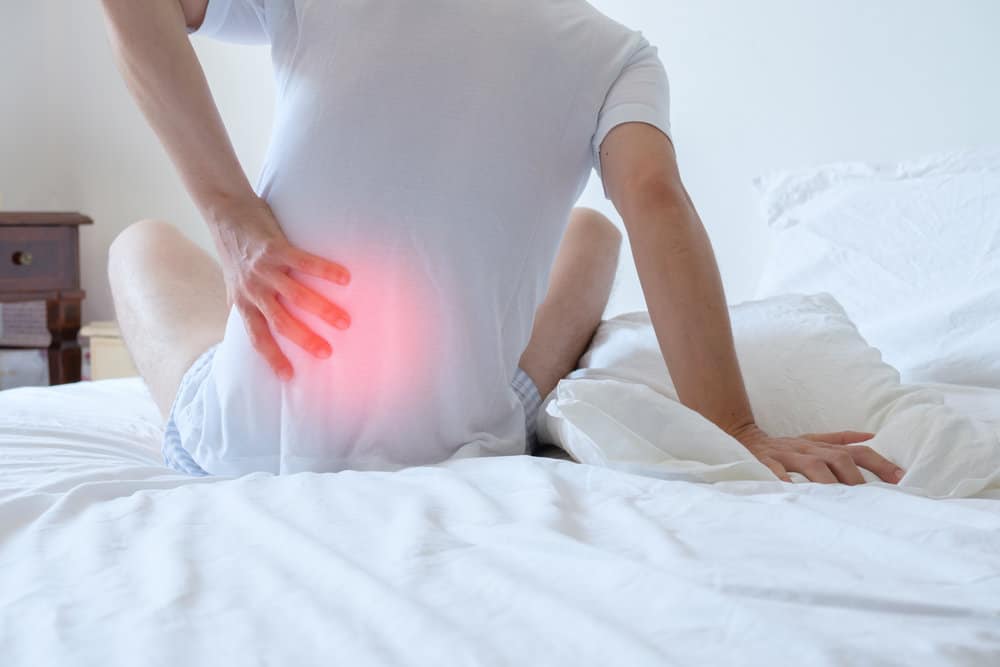
Living with persistent lower back pain drains your energy and restricts your independence. Understanding what are the common causes of low back pain? reveals safe, image-guided options designed to target the true source of your pain.
If you are seeking expert non-surgical back pain treatment in Hyderabad, Dr. P. Purohithi at Meraki Pain Management Center (Apollo Hospital, Kondapur) offers a thorough diagnostic consultation before recommending any procedure.
Take control of your spinal health today and explore advanced non-surgical treatment options.


Leave a Comment