
Table of Contents
What is the Main Cause of Shoulder Pain? Understanding Triggers and Modern Non-Surgical Relief
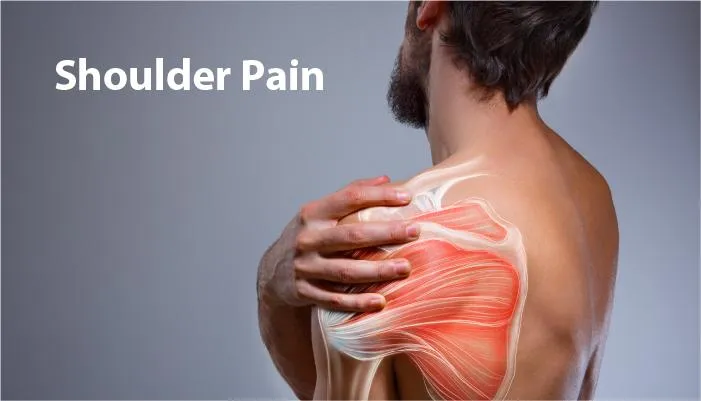
Understanding what is the main cause of shoulder pain is often the first vital step toward recovering your mobility and ending sleepless nights. Because the shoulder is the most flexible joint in the human body, relying on a delicate harmony of muscles, tendons, ligaments, and nerves, even minor soft tissue irritation can make simple tasks feel overwhelming.
Imagine an IT professional in Hyderabad struggling to reach for an overhead shelf, or a homemaker finding it painful to lift a mug of tea or fasten a garment. Shoulder discomfort rarely stays localized; it ripples into work productivity, recreational activities, and sleep quality. While many assume that shoulder issues stem directly from major bone fractures, clinical evidence from the International Association for the Study of Pain (IASP) demonstrates that soft tissue inflammation and rotator cuff dysfunction represent the vast majority of cases.

What is the Primary Underlying Source of Shoulder Pain?
The main cause of shoulder pain is rotator cuff disease, which includes rotator cuff tendonitis, subacromial bursitis, and shoulder impingement syndrome. Together, these soft tissue conditions account for over 65% to 70% of all clinical shoulder evaluations, occurring when surrounding tendons and synovial sacs become inflamed, pinched, or torn under the acromion bone.
+-----------------------------------------------------------------------------+
|                      SHOULDER PAIN DEVELOPMENT CYCLE                        |
|                                                                             |
|  [ Repetitive Microtrauma / Postural Strain ]                               |
|                       |                                                     |
|                       v                                                     |
|  [ Tendon Swelling & Subacromial Bursitis ]                                 |
|                       |                                                     |
|                       v                                                     |
|  [ Narrowed Joint Space & Mechanical Impingement ]                          |
|                       |                                                     |
|                       v                                                     |
|  [ Compensatory Muscle Guarding & Chronic Stiffness ]                       |
+-----------------------------------------------------------------------------+
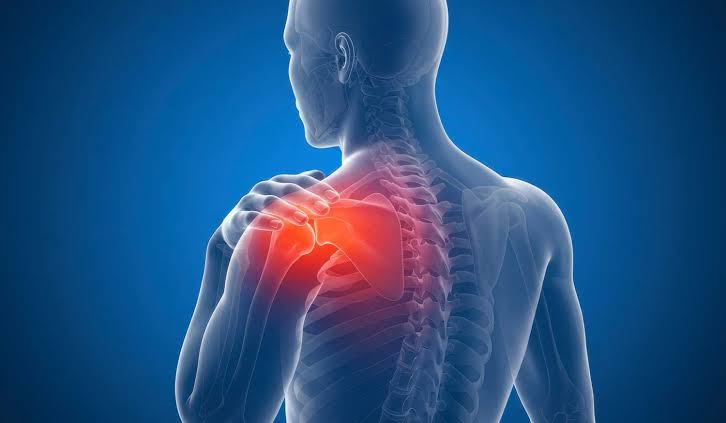
The shoulder joint relies heavily on dynamic stability provided by four key rotator cuff muscles: the supraspinatus, infraspinatus, teres minor, and subscapularis. When repetitive overhead motion, poor desk posture, or age-related degeneration narrows the subacromial space, the supraspinatus tendon gets repeatedly pinched. This mechanical irritation triggers localized inflammation, swelling, and deep, aching pain that frequently intensifies at night.
How Interventional Pain Management Differs from Standard Care
When searching for what is the main cause of shoulder pain, patients often find themselves caught between two extremes: temporary relief through oral medications or invasive open surgery. Understanding how specialized interventional pain care bridges this gap is essential for making informed treatment choices.
+-----------------------------------------------------------------------------+
|                    SPECTRUM OF SHOULDER CARE OPTIONS                        |
|                                                                             |
| [ Standard Medical Care ] ---> [ Interventional Pain Care ] ---> [ Surgery ]|
|   (NSAIDs & Rest)               (Ultrasound-Guided Injections &   (Anatomic |
|   Masks symptoms without        Regenerative Therapy)             Reconstruction)|
|   fixing soft tissue strain.    Precisely targets pain generators  High risk;   |
|                                 without surgical incisions.        long rehab.  |
+-----------------------------------------------------------------------------+
Standard conservative care typically relies on rest, oral anti-inflammatory drugs, and generalized physical therapy. While helpful for mild strains, oral medications often distribute throughout the entire body rather than concentrating at the exact site of tissue injury, potentially causing stomach or kidney irritation with prolonged use.
Conversely, surgical reconstruction carries inherent risks, downtime, and lengthy postoperative rehabilitation. Interventional pain management offers a modern, non-surgical middle path. Utilizing high-resolution ultrasound or fluoroscopic guidance, an interventional pain doctor delivers anti-inflammatory solutions or regenerative agents directly to the damaged tendon or nerve root. This precise approach quiets local inflammation and restores joint biomechanics without surgical risks.
How Image-Guided Diagnostic and Interventional Shoulder Care Works
Pinpointing and treating shoulder pain requires a systematic, step-by-step clinical evaluation to ensure accuracy and patient safety:
  +------------------------------------------------------------------+
  | STEP 1: Comprehensive Biomechanical & Physical Examination       |
  +------------------------------------------------------------------+
                                   |
                                   v
  +------------------------------------------------------------------+
  | STEP 2: High-Resolution Musculoskeletal Ultrasound Mapping      |
  +------------------------------------------------------------------+
                                   |
                                   v
  +------------------------------------------------------------------+
  | STEP 3: Diagnostic Local Anesthetic Block Target Verification    |
  +------------------------------------------------------------------+
                                   |
                                   v
  +------------------------------------------------------------------+
  | STEP 4: Image-Guided Targeted Non-Surgical Intervention          |
  +------------------------------------------------------------------+
                                   |
                                   v
  +------------------------------------------------------------------+
  | STEP 5: Structured Functional Physical Rehabilitation            |
  +------------------------------------------------------------------+
1.Comprehensive Biomechanical & Physical Examination:Evaluating range of motion, strength, and provocative signs.
A thorough physical evaluation assesses joint mobility, muscle weakness, and specific movement patterns to identify whether pain originates within the glenohumeral joint, acromioclavicular (AC) joint, or cervical spine.
2.High-Resolution Musculoskeletal Ultrasound Mapping:Dynamic visualization of tendons, bursae, and ligaments.
Real-time ultrasound allows the pain management specialist to view tendons and bursae in motion, detecting subtle tears, fluid accumulation, or impingement that static X-rays cannot reveal.
3.Diagnostic Local Anesthetic Block Target Verification:Confirming the exact anatomical pain generator.
A small amount of local anesthetic is precisely injected around suspected nerves (such as the suprascapular nerve) or within the bursa under ultrasound guidance to confirm the precise source of discomfort.
4.Image-Guided Targeted Non-Surgical Intervention:Delivering targeted therapeutic or regenerative agents.
Once verified, therapeutic agents—such as corticosteroid anti-inflammatory solutions, Platelet-Rich Plasma (PRP), or hyaluronic acid—are delivered directly into the inflamed space with sub-millimeter precision.
5.Structured Functional Physical Rehabilitation:Restoring normal muscular recruitment and flexibility.
With pain substantially reduced, the patient engages in guided physical therapy to strengthen stabilizing muscles, correct posture, and prevent future injury recurrence.

Major Causes of Shoulder Pain: A Structural Breakdown
While rotator cuff disorders are the primary trigger, several distinct anatomical conditions can cause persistent shoulder distress. The comparison table below outlines these common conditions, their clinical characteristics, and non-surgical care strategies:
| Condition | Primary Cause / Pathology | Typical Symptoms | Targeted Interventional Care |
| Rotator Cuff Tendonitis / Impingement | Repetitive overhead strain or subacromial spurring | Sharp pain when reaching overhead or sleeping on affected side | Ultrasound-guided subacromial bursa injection or PRP therapy |
| Frozen Shoulder (Adhesive Capsulitis) | Progressive capsular fibrosis and joint contracture | Severe global stiffness, loss of active and passive motion | Hydrodilatation (capsular distension) + suprascapular nerve block |
| AC Joint Osteoarthritis | Wear and tear of the acromioclavicular cartilage | Localized tenderness on top of the shoulder; pain with cross-body arm reaching | Fluoroscopy-guided AC joint intra-articular injection |
| Cervical Radiculopathy (Referred Pain) | Compressed neck nerve root (C5-C6) radiating down | Burning shoulder blade pain accompanied by arm numbness or tingling | Cervical epidural steroid injection or selective nerve root block |
| Calcific Tendonitis | Calcium hydroxyapatite deposits within tendons | Sudden, excruciating shoulder pain without recent trauma | Ultrasound-guided needle barbotage and lavage |
Who is Suitable for Interventional Shoulder Pain Care?
Non-surgical interventional treatments offer an effective solution for individuals seeking relief without major surgery.
You may be an ideal candidate for targeted interventional pain management if:
- You have experienced persistent shoulder discomfort for over 4 to 6 weeks despite taking rest and medication.
- Pain wakes you up at night, particularly when rolling onto the affected side.
- Inability to move your arm freely prevents you from participating in physical therapy exercises.
- You wish to avoid open shoulder surgery or have underlying medical conditions that make surgery high-risk.
- You have been diagnosed with frozen shoulder, rotator cuff tendonitis, or bursitis on an MRI or ultrasound.
What to Expect: Before, During, and After Treatment
Before the Procedure
Your care journey begins with a comprehensive consultation to review your medical history and imaging. You will receive clear instructions on managing any routine medications prior to your appointment.
During the Procedure
Performed in an outpatient clinical setting, image-guided interventions typically take 15 to 30 minutes. Local anesthesia ensures minimal discomfort while real-time imaging guides the procedure with high accuracy.
After the Procedure
Most patients return home shortly after treatment. While mild temporary soreness at the injection site is normal, significant reductions in pain are typically felt within a few days, allowing you to resume daily activities and physical rehabilitation comfortably.
When Should You Consider Seeing an Interventional Pain Specialist?
If you have been managing chronic pain for more than 6 weeks with limited relief from medication or physiotherapy, a consultation with a fellowship-trained interventional pain specialist is the logical next step. Dr. P. Purohithi at Apollo Hospital, Kondapur, Hyderabad, specialises in precisely diagnosing and treating the source of your pain using image-guided, minimally invasive techniques — without defaulting to surgery.
Holding advanced qualifications including FIPM and IDRA, Dr. Purohithi leads Meraki Pain Management Center with a focus on comprehensive, evidence-based patient care. By pairing advanced diagnostic imaging with precise interventional procedures, her practice helps patients resolve pain at its underlying source.
Frequently Asked Questions
Can shoulder pain originate from a neck problem?
Yes, compressed nerve roots in the cervical spine (C5-C6) frequently radiate pain into the top of the shoulder and shoulder blade. An interventional pain doctor can perform diagnostic nerve evaluations to differentiate between primary shoulder conditions and neck-referred pain.
How do I know if I need a pain management specialist?
You should consider seeing a pain management specialist if your shoulder pain lasts longer than four weeks, prevents you from sleeping, restricts daily arm movement, or fails to improve with simple rest and over-the-counter medications.
Is PRP therapy for shoulder tendonitis painful?
PRP therapy involves a routine blood draw and a targeted injection performed under local anesthesia. Patients may experience mild, temporary fullness or soreness for 24 to 48 hours as the natural healing cascade activates.
How long does a suprascapular nerve block provide relief?
A suprascapular nerve block can provide significant pain relief lasting several weeks to months, creating a critical therapeutic window that allows patients with frozen shoulder or severe arthritis to engage in rehabilitation.
Can I avoid shoulder surgery with non-surgical pain relief treatments?
In many cases of partial rotator cuff tears, bursitis, and frozen shoulder, image-guided interventional procedures combined with regenerative therapies effectively restore function and relieve pain, allowing patients to avoid surgery altogether.
How much does an ultrasound-guided shoulder injection cost in Hyderabad?
The cost of an ultrasound-guided shoulder injection in Hyderabad varies based on the specific intervention required, such as a bursa injection, nerve block, or PRP therapy. A personal diagnostic consultation provides a transparent breakdown tailored to your care plan.
What is the recovery time after a non-surgical shoulder procedure?
Because these outpatient procedures are minimally invasive, recovery is fast. Most patients resume light daily activities within 24 to 48 hours and begin guided physical therapy shortly thereafter.
Is frozen shoulder permanent if left untreated?
Frozen shoulder tends to progress through stages and can persist for months or years if untreated. Targeted procedures such as hydrodilatation significantly shorten this duration and restore joint mobility much faster.

Restoring Shoulder Function and Quality of Life
Identifying what is the main cause of shoulder pain opens the door to effective, non-surgical recovery. By combining modern image-guided diagnostics with targeted therapies, interventional pain medicine helps relieve inflammation, preserve muscle structure, and restore joint function.
If persistent shoulder aches, night pain, or joint stiffness continue to limit your daily activities, seeking a specialized evaluation can help you regain comfort and mobility.
If you are considering advanced non-surgical shoulder treatments in Hyderabad, Dr. P. Purohithi at Apollo Hospital, Kondapur, offers a thorough diagnostic consultation before any procedure is recommended.


Leave a Comment