
Table of Contents
What Is the Treatment of Spinal Cord Pain? Advanced Non-Surgical Options in Hyderabad
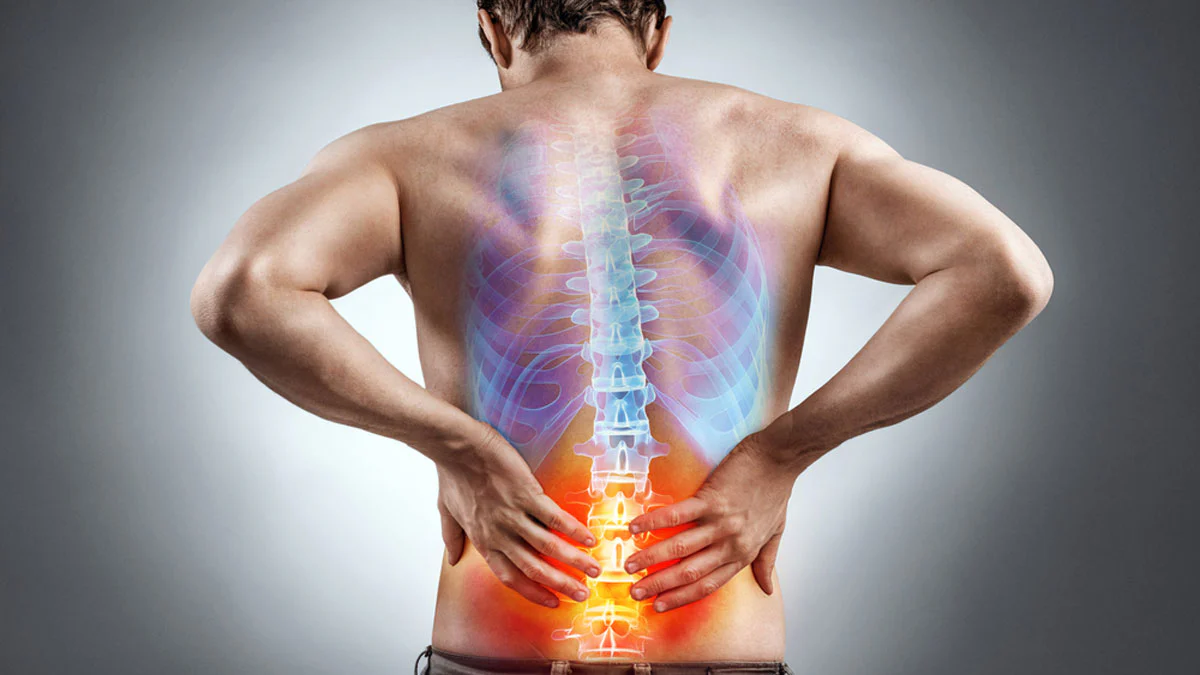
Persistent spinal pain can quietly hijack every corner of your life. Whether it is a sharp, radiating sensation down your leg while bending, or a constant deep ache that turns sitting at your desk into a daily ordeal, understanding what is the treatment of spinal cord pain is the vital first step toward reclaiming your quality of life.
When patients ask about spinal cord pain treatment, they are rarely looking for a quick chemical mask. They want to know how to address the underlying structural or neural irritation causing their suffering. Today, modern pain medicine offers a rich spectrum of care ranging from conservative physical rehab and targeted interventional pain procedures to advanced neuromodulation, helping many patients avoid major invasive surgery.

What Is the Treatment of Spinal Cord Pain?
The treatment of spinal cord pain is a comprehensive medical approach aimed at calming irritated spinal nerves, reducing localized inflammation, and restoring normal musculoskeletal function. Rather than relying solely on oral medications or jump-straight-to-surgery approaches, modern interventional pain management uses precise, image-guided procedures to treat the exact anatomical origin of the pain.
+-----------------------------------------------------------------------------+
|                      THE SPINAL PAIN CASCADE                                |
|                                                                             |
| [ Structural Strain / Disc Injury ] ---> [ Inflammation & Nerve Compression ]|
|                 ^                                              |            |
|                 |                                              v            |
| [ Restored Mobility ] <--- [ Targeted Interventional Care ] <--- [ Pain Signal ] |
+-----------------------------------------------------------------------------+
When intervertebral discs bulge, facet joints degenerate, or spinal passages narrow, the delicate spinal nerve roots become inflamed or compressed. This neural distress sends continuous pain signals up to the brain. Interventional pain treatments interrupt these faulty electrical pathways, providing long-lasting symptomatic relief and creating an optimal healing window for physical rehabilitation.
How Interventional Pain Care Differs from Standard Medical Approaches
For decades, patients suffering from severe spinal or radicular pain faced two main paths: long-term prescription painkillers or major open spine surgery. Interventional pain medicine bridges the vast gap between these extremes.
+-----------------------------------------------------------------------------+
|                 SPECTRUM OF SPINAL PAIN MANAGEMENT                          |
|                                                                             |
| [ Conservative Care ] --------> [ Interventional Pain Care ] -------> [ Surgery ] |
| (Meds & Physical Rehab)     (Image-Guided Targeted Procedures)   (Structural Fusion) |
|   Systemic impact;            Non-surgical; pinpoints source;       Higher risk;   |
|   variable relief.            preserves natural biomechanics.       longer rehab.  |
+-----------------------------------------------------------------------------+
Primary care treatments often rely on oral anti-inflammatory drugs or systemic muscle relaxants. While these can ease mild flare-ups, they distribute medication throughout the entire body rather than directly reaching the inflamed spinal segment.
Conversely, open spine surgery alters structural anatomy and carries longer recovery times. Interventional pain care uses real-time fluoroscopic (X-ray) or ultrasound guidance to deliver concentrated, therapeutic solutions directly to the affected spinal area. This pinpoints the source of distress while preserving your natural spinal biomechanics.
How Interventional Spine Procedures Work: Step-by-Step
Understanding how a non-surgical spinal procedure is performed helps ease patient anxiety and sets clear expectations. Here is the standard clinical progression for an image-guided interventional treatment:
  +------------------------------------------------------------------+
  | STEP 1: Diagnostic Mapping & High-Resolution Imaging             |
  +------------------------------------------------------------------+
                                   |
                                   v
  +------------------------------------------------------------------+
  | STEP 2: Patient Positioning & Local Anesthetic Application       |
  +------------------------------------------------------------------+
                                   |
                                   v
  +------------------------------------------------------------------+
  | STEP 3: Real-Time Fluoroscopic or Ultrasound Guidance            |
  +------------------------------------------------------------------+
                                   |
                                   v
  +------------------------------------------------------------------+
  | STEP 4: Targeted Therapeutic Delivery or Neuromodulation          |
  +------------------------------------------------------------------+
                                   |
                                   v
  +------------------------------------------------------------------+
  | STEP 5: Post-Procedure Monitoring & Active Rehab Integration     |
  +------------------------------------------------------------------+
1.Diagnostic Mapping & High-Resolution Imaging:Identifying the exact anatomical generator.
Before any needle is placed, your pain specialist reviews detailed MRI or CT scans alongside a physical examination to match your symptoms with specific spinal nerves or joints.
2.Patient Positioning & Local Anesthetic Application:Ensuring maximum patient comfort.
You are placed comfortably on a specialized procedure table. The target skin area over your spine is thoroughly sanitized and numbed with a local anesthetic.
3.Real-Time Fluoroscopic or Ultrasound Guidance:Precision navigation without open incisions.
Using live digital imaging (C-arm fluoroscopy), the doctor safely guides a microscopic needle directly toward the inflamed epidural space, facet joint, or nerve bundle.
4.Targeted Therapeutic Delivery or Neuromodulation:Interrupting pain signals at the source.
A precise dose of anti-inflammatory medication, local anesthetic, or radiofrequency energy is applied to quiet hyperactive pain nerves without affecting surrounding healthy tissue.
5.Post-Procedure Monitoring & Active Rehab Integration:Transitioning toward long-term recovery.
After a brief 30-to-60-minute observation period, you return home. As pain subsides over the following days, you begin targeted physical therapy to rebuild core stability.
Common Non-Surgical Treatments for Spinal and Nerve Pain
Depending on whether your pain originates from disc herniation, joint arthritis, or nerve compression, various specialized interventions can be used:
| Procedure Category | Primary Mechanism | Ideal For | Typical Relief Timeline |
| Epidural Steroid Injections (ESI) | Delivers concentrated anti-inflammatory medicine to the epidural space | Sciatica, herniated discs, spinal stenosis | Months of relief; enables active rehab |
| Facet Joint Injections / Medial Branch Blocks | Numbs inflamed spinal joints to confirm and alleviate arthritic pain | Chronic lower back or neck stiffness when bending | Immediate diagnostic proof; weeks to months of relief |
| Radiofrequency Ablation (RFA) | Uses gentle thermal energy to mute pain-transmitting joint nerves | Persistent facet joint arthritis, failed back surgery pain | 6 to 18 months of continuous relief |
| Spinal Cord Stimulation (SCS) | Implants a tiny device that replaces pain signals with soothing sensations | Complex regional pain syndrome (CRPS), neuropathic pain | Long-term chronic pain control |
| Regenerative Biotherapy (PRP) | Uses concentrated growth factors to support tissue repair | Ligamentous strain, early facet joint wear | Gradual natural repair over several months |

Who Is Suitable for Non-Surgical Spinal Pain Care?
Interventional treatments are tailored for individuals whose pain persists despite basic rest and medication, yet who may not require or desire major open surgery.
You may be an ideal candidate for non-surgical pain management if:
- You experience sharp, shooting, or burning pain traveling down your arms or legs (sciatica or radiculopathy).
- Chronic back or neck pain has lasted longer than six weeks and limits your ability to work, sleep, or walk.
- High-resolution MRI scans reveal bulging discs, nerve impingement, or facet joint arthritis matching your exact symptoms.
- Standard physical therapy or oral anti-inflammatories have provided limited or only temporary relief.
- You wish to avoid open spinal surgery or have been advised that you are not an ideal candidate for invasive procedures.
What to Expect Before, During, and After Treatment
Before the Procedure
Your physician conducts a detailed review of your medical history, imaging studies, and current medications. Blood thinners may be briefly adjusted under medical supervision to ensure maximum safety.
During the Procedure
Performed in an outpatient setting, most interventional procedures take between 15 and 30 minutes. You remain awake and comfortable while local anesthesia keeps pain to a minimum. Real-time imaging ensures high accuracy.
After the Procedure
Most patients walk out of the clinic on the same day. You may feel immediate light relief from the local anesthetic, followed by gradual therapeutic improvement over 3 to 7 days as inflammation subsides.
When Should You See an Interventional Pain Specialist?
If you have been managing persistent spine or nerve pain for more than six weeks with little progress, seeking a direct evaluation from an interventional pain specialist is the logical next step.
If you are navigating chronic spine pain in Hyderabad, Dr. P. Purohithi at Apollo Hospital, Kondapur, brings advanced fellowship training (FIPM, IDRA) to precisely pinpoint and treat the root source of your distress. As the lead specialist at Meraki Pain Management Center, Dr. Purohithi uses state-of-the-art, image-guided techniques to deliver targeted relief without defaulting to open surgery.
Frequently Asked Questions
Is spinal cord pain treatment painful?
Most interventional procedures are performed under local anesthesia, so you should only feel a brief pinch or mild pressure. Comfort levels are carefully maintained throughout the session.
How do I know if my pain is coming from my spine or muscles?
Muscle pain usually feels like a dull ache localized to a specific area. Pain originating from the spine or spinal nerves often shoots, burns, or tingles down the arms or legs and may worsen with specific spinal movements. A specialist evaluation can confirm the exact cause.
Can interventional procedures replace spine surgery?
In many cases, yes. For conditions like herniated discs, sciatica, and facet arthritis, targeted injections or radiofrequency ablation can reduce pain enough to make open surgery unnecessary.
How quickly will I feel relief after an epidural or nerve block injection?
If a local anesthetic is used, you may feel immediate relief for a few hours. The longer-term anti-inflammatory effects usually begin to take effect within 3 to 7 days.
Are non-surgical spinal treatments safe for elderly patients?
Yes. Because these procedures are minimally invasive and typically performed under local anesthesia rather than general anesthesia, they are often a preferred option for older adults with underlying health conditions.
How much does an interventional spine procedure cost in Hyderabad?
Costs vary depending on the specific procedure, the technology required (such as fluoroscopy guidance), and the hospital setting. A diagnostic consultation at Meraki Pain Management Center provides a clear breakdown tailored to your care plan.
Can I travel home on the same day after treatment at Meraki Pain Management Center?
Yes. All interventional pain procedures at Meraki Pain Management Center at Apollo Hospital, Kondapur, are performed on an outpatient basis, allowing you to return home the same day after a short observation period.
How many sessions of treatment will I need?
Many patients experience significant relief after a single targeted procedure. Others with complex or long-standing conditions may benefit from a stepped series of treatments combined with physical rehab.
Reclaiming Your Life from Chronic Spinal Pain
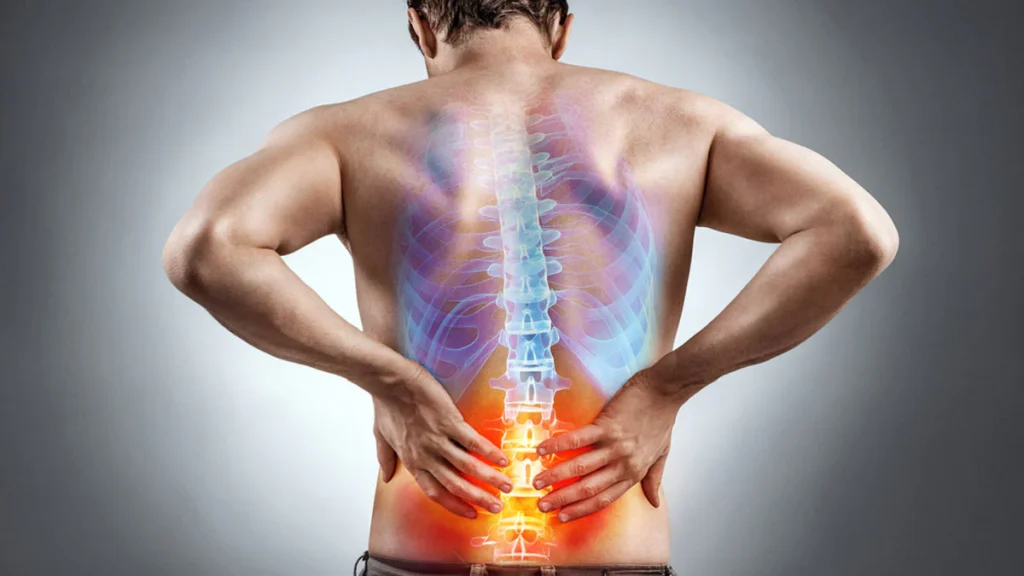
Living with spinal pain can feel exhausting, but you do not have to choose between living with severe discomfort and undergoing major surgery. Modern interventional pain medicine offers targeted, non-surgical options designed to relieve your pain at its source and help you get back to your daily routine.
If you are exploring treatment options for spinal pain in Hyderabad, Dr. P. Purohithi at Apollo Hospital, Kondapur, offers comprehensive diagnostic evaluations to guide your care.


Leave a Comment