
Table of Contents
What Is Spinal Stenosis? Causes, Symptoms, and Modern Non-Surgical Relief
If you or a loved one are trying to understand what is spinal stenosis, you are likely familiar with the frustrating experience of walking short distances only to feel a heavy, cramping ache in your legs that disappears the moment you sit down or lean forward. This hallmark pattern—feeling fine while resting but struggling while upright—leaves many adults feeling confused and increasingly restricted in their daily lives.
Spinal stenosis is a common, progressive structural condition that affects millions of people, particularly as the spine naturally ages. Whether it manifests as lower back tightness, sharp sciatica radiating down the thigh, or balance issues, living with narrowed spinal passages can make routine activities—like grocery shopping or enjoying an evening walk—feel like an uphill battle.
Understanding how spinal narrowing affects your nervous system is the first step toward reclaiming your physical independence. Fortunately, medical advancements mean that spinal stenosis no longer automatically implies major open surgery or lifelong reliance on oral painkillers. Modern interventional pain medicine provides targeted, non-surgical treatment pathways designed to relieve nerve pressure and restore comfortable mobility.
What Is Spinal Stenosis? A Clear Explanation
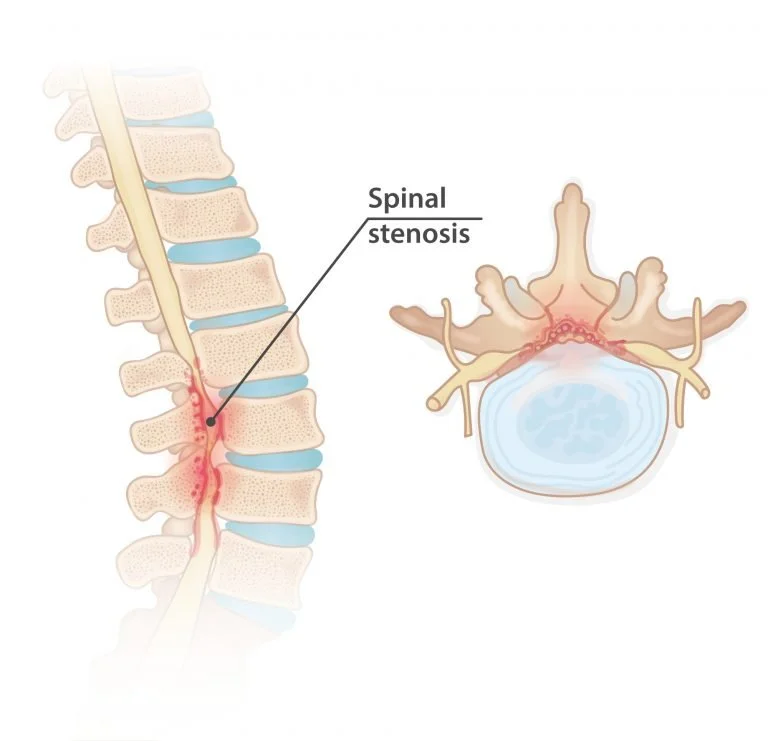
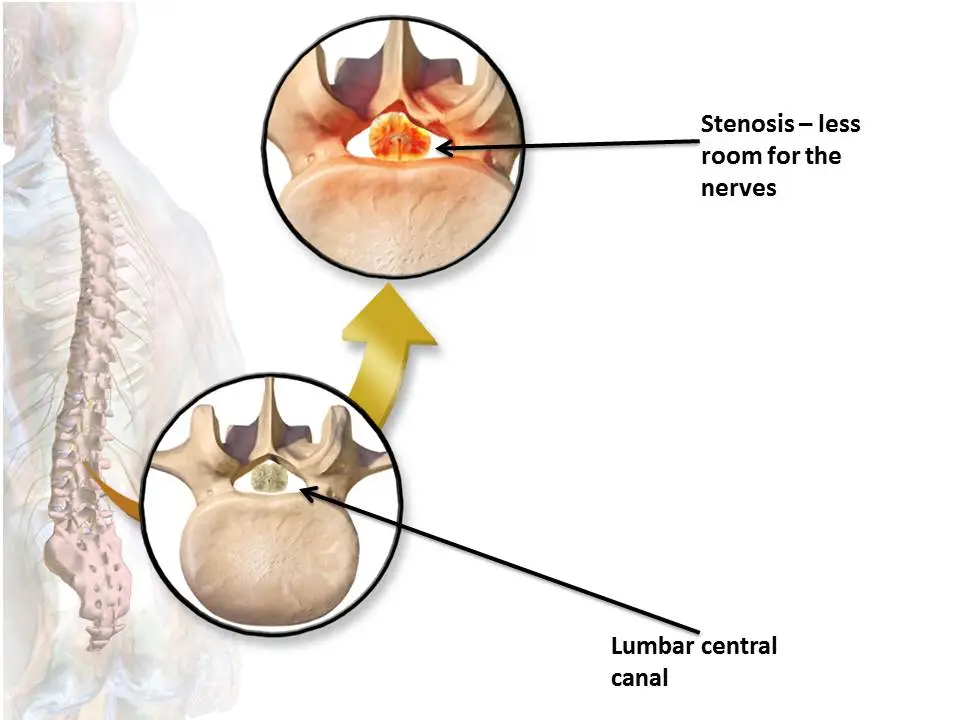
Spinal stenosis is the abnormal narrowing of the open spaces within the spine, which reduces the space available for the spinal cord and exiting spinal nerves. This narrowing can compress neural structures, causing localized back pain, lower extremity numbness, tingling, and neurogenic claudication (leg cramping while walking).
+--------------------------------------------------------------------------+
|                     SPINAL CANAL CROSS-SECTION                           |
+--------------------------------------------------------------------------+
|                                                                          |
|       [ NORMAL SPINAL CANAL ]               [ SPINAL STENOSIS ]          |
|                                                                          |
|           /-------------\                      /-------------\           |
|          /   Vertebral   \                    /   Thickened   \          |
|         |      Body       |                  |    Ligaments    |         |
|         |                 |                  |                 |         |
|         |  [Spinal Cord]  |                  | >[Spinal Cord]< |         |
|         |   (Ample Space) |                  | (Compressed)    |         |
|          \               /                    \  Facet Joints /          |
|           \-------------/                      \--Overgrown--/           |
|                                                                          |
|       Wide, clear pathway for               Narrowed, crowded space      |
|       nerves to travel freely.              causing friction & pressure. |
+--------------------------------------------------------------------------+
As the spinal canal shrinks, the protective cushion around your nerves diminishes. When you stand or walk, the normal biomechanics of the spine naturally narrow these pathways even further. This mechanical squeeze starves the nerves of blood flow and oxygen, generating characteristic heaviness, cramping, and pain in the buttocks and legs.
How Is Interventional Pain Management Different from Standard Care?
When patients receive a diagnosis of spinal stenosis, they are often presented with a stark choice: rely on daily oral medications and basic physiotherapy, or undergo open spine surgery. Interventional pain management offers a specialized, evidence-based care model positioned precisely between these two approaches.
Standard Conservative Care
Basic conservative care typically focuses on oral anti-inflammatory drugs, muscle relaxants, pain patches, and general physical therapy. While these options are valuable for mild, early-stage muscle fatigue, systemic oral medications distribute throughout your entire body rather than directly addressing the localized nerve compression inside the spine. If thickened ligaments or disc bulges are crowding a specific nerve canal, oral pills may temporarily dull sensation without altering local inflammatory swelling.
Traditional Spine Surgery
Open spine surgery—such as a laminectomy or spinal fusion—physically cuts away bone, removes ligaments, or fuses vertebrae together using metal hardware. Surgery is essential for severe, progressive neurological deficits or structural instability. However, open procedures require general anesthesia, inpatient hospital stays, extended rehabilitation periods, and carry inherent risks like scar tissue formation or adjacent segment disease.
The Interventional Pain Specialty
An interventional pain doctor utilizes advanced, image-guided, pinhole techniques to treat the exact anatomical points of inflammation and compression. By employing real-time fluoroscopy (X-ray guidance) or high-definition ultrasound, targeted therapies are delivered precisely to the affected epidural space or spinal joints. This minimizes tissue disruption, calms irritated nerves, and restores functional mobility without open incisions or surgical downtime.
How Does the Interventional Evaluation and Treatment Process Work?
Addressing spinal stenosis successfully requires a methodical, step-by-step diagnostic and therapeutic protocol tailored to your specific anatomical narrowing.
Step 1: Comprehensive Diagnostic Mapping
Correlating physical walking distance, nerve tests, and MRI findings
The evaluation begins by mapping your symptoms alongside clinical checks of nerve reflexes, leg strength, and walking capacity. An interventional pain specialist reviews your MRI or CT scan to ensure that identified structural narrowing directly corresponds with your physical symptoms, avoiding unnecessary treatment of asymptomatic wear.
Step 2: Targeted Diagnostic Localization
Targeting specific nerve levels using precision diagnostic blocks
To confirm which specific spinal level is generating your leg or back symptoms, a microscopic dose of local anesthetic is guided target-adjacent to the suspected nerve root under fluoroscopy. Immediate improvement in walking tolerance can help confirm the precise anatomical source.
Step 3: Precision Interventional Therapy
Administering image-guided, pinhole non-surgical procedures
Once the pain source is confirmed, targeted outpatient procedures are performed. Options may include fluoroscopic epidural steroid injections to reduce nerve root swelling, or radiofrequency ablation (RFA) to interrupt pain signals from arthritic or enlarged facet joints.
Step 4: Functional Physical Rehabilitation
Restoring pelvic stability, posture, and core strength
With acute nerve inflammation controlled, a customized physical therapy program focuses on strengthening the deep abdominal core and pelvic stabilizers. Learning appropriate posture and movement strategies may help improve comfort and function during daily activities.
Step 5: Ergonomic & Activity Modifications
Adapting daily activities, walking routines, and ergonomic habits
The final phase equips you with practical movement strategies, such as incorporating short rest breaks, using supportive walking aids when necessary, and managing prolonged standing. These adjustments can help reduce strain on the spine during daily activities.
Types of Spinal Stenosis and Comparative Treatments
Spinal stenosis can occur in different anatomical regions of the spinal column and present through distinct mechanical patterns. Understanding these variations helps dictate the appropriate non-surgical intervention.
1. Lumbar Spinal Stenosis (Lower Back)
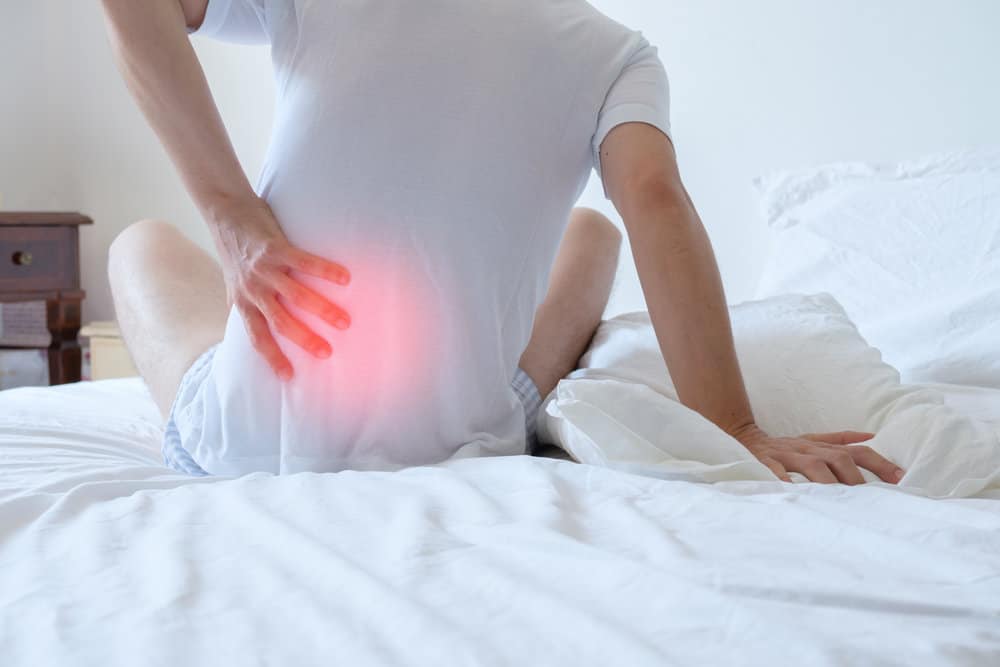
The most common form, occurring in the lower back. It leads to lower back pain, buttock discomfort, and leg cramping that worsens with walking or standing upright, but improves when sitting down or leaning forward (the “shopping cart sign”).
2. Cervical Spinal Stenosis (Neck)
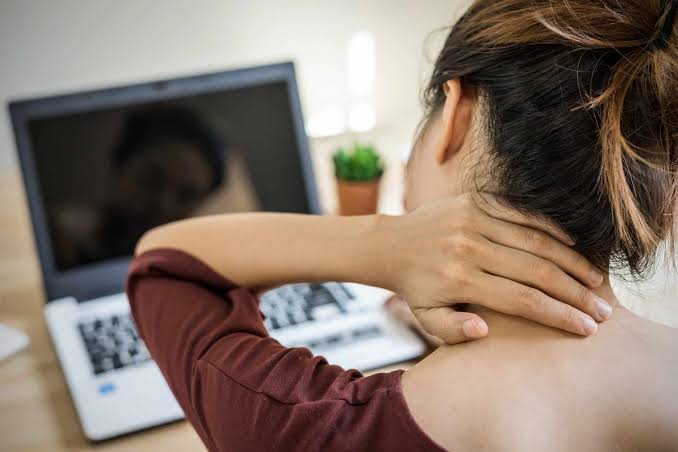
Narrowing in the neck region. This can compress the spinal cord itself (cervical myelopathy), leading to hand stiffness, difficulty buttoning shirts, balance issues, or shock-like sensations radiating down the arms and legs.
3. Central Canal Stenosis vs. Foraminal Stenosis
Central canal stenosis involves narrowing of the main central passageway housing the spinal cord or cauda equina. Foraminal stenosis refers to narrowing of the smaller side exits (foramina) where individual nerve roots exit the spine to travel down the legs or arms.
Comparison of Non-Surgical Interventional Procedures
| Procedure Name | Target Anatomical Area | Clinical Mechanism | Typical Relief Duration | Ideal Patient Candidate |
| Transforaminal Epidural Steroid Injection (TFESI) | Specific exiting spinal nerve root (Foramen) | Fluoroscopy-guided delivery of anti-inflammatory medication directly onto irritated nerve roots | Several months to over a year | Patients with unilateral leg pain (sciatica) caused by foraminal stenosis or disc bulges |
| Interlaminar Epidural Steroid Injection | Central spinal canal across multiple levels | Broad distribution of soothing anti-inflammatory agents within the central epidural space | 3 to 12 months | Patients with central canal stenosis suffering from bilateral leg heaviness while walking |
| Facet Joint Radiofrequency Ablation (RFA) | Medial branch nerves of overgrown facet joints | Uses targeted thermal energy to temporarily interrupt pain signals from arthritic spinal joints | 6 to 18 months | Patients whose stenosis is aggravated by overgrown, painful facet joints |
| Sacroiliac (SI) Joint Injection / Stabilization | Sacroiliac joint capsule and sensory nerves | Reduces joint inflammation and stabilizes pelvic biomechanics using image guidance | 3 to 12+ months | Patients with concurrent pelvic and lower beltline pain complicating their gait |
Can I Avoid Knee Replacement or Spine Surgery with Non-Surgical Treatment?
A frequent concern among patients experiencing severe mobility restrictions is whether major surgery is their only remaining choice.
According to clinical practice guidelines established by the International Association for the Study of Pain (IASP) and the Indian Society for Study of Pain (ISSP), image-guided interventional procedures can successfully reduce local nerve swelling and joint inflammation enough to restore daily function. In many cases, effective interventional care paired with targeted rehabilitation allows patients to manage spinal stenosis successfully without undergoing open spine surgery.
Who Is Suitable for Interventional Pain Treatment?
Understanding whether you are a candidate for modern non-surgical pain relief helps streamline your path toward recovery.
You May Be a Candidate If:
- You experience lower back stiffness, buttock ache, or leg cramping when walking or standing.
- Your symptoms improve when you sit down, bend forward, or lean over a cart or counter.
- You have been diagnosed with spinal stenosis, disc degeneration, or facet joint arthritis on an MRI or CT scan.
- Oral painkillers, rest, or general physical therapy have provided insufficient or short-lived relief.
- You wish to avoid open surgery, have underlying health conditions that make general anesthesia risky, or want to explore non-surgical options first.
What to Expect: Before, During, and After Treatment
Feeling uncertain before a spine procedure is entirely natural. Modern interventional pain treatments are performed with high precision, placing patient safety and comfort at the forefront.
Before the Procedure
Your specialist performs a thorough clinical examination, reviews your imaging, and verifies your medical history. You will receive clear, easy-to-understand instructions regarding temporary adjustments to any blood-thinning medications.
During the Procedure
- Comfort & Safety: Procedures are conducted on an outpatient basis using local anesthesia, keeping you fully comfortable.
- Image Guidance: Real-time fluoroscopy (X-ray) ensures pinhole accuracy, verifying needle position to the millimeter before any medication is administered.
- Speed: The procedure typically takes between 15 and 30 minutes.
After the Procedure
- Immediate Recovery: You relax in a comfortable recovery area for 30 to 45 minutes before returning home the same day.
- Downtime: Most patients resume light daily activities within 24 to 48 hours.
- Results Timeline: Steroid anti-inflammatory effects generally begin within 3 to 7 days, providing progressive improvement in walking distance and reduced leg discomfort.
When Should You Consider Seeing an Interventional Pain Specialist?
If you have been managing chronic back or leg pain for more than 6 weeks with limited relief from medication or physiotherapy, a consultation with a fellowship-trained interventional pain specialist is the logical next step.
Dr. P. Purohithi at Apollo Hospital, Kondapur, Hyderabad, specializes in precisely diagnosing and treating the source of your pain using image-guided, minimally invasive techniques—without defaulting to surgery. Holding international credentials including FIPM (Fellowship in Interventional Pain Management) and IDRA, Dr. Purohithi brings advanced expertise to patient care at Meraki Pain Management Center. By correlating your clinical symptoms directly with advanced imaging, Dr. Purohithi formulates personalized care plans focused on restoring your movement and quality of life.
Frequently Asked Questions
Is spinal stenosis a permanent condition?
Spinal stenosis involves structural changes such as bone spurs or ligament thickening that do not reverse spontaneously. However, the symptoms—pain, inflammation, and leg cramping—can be managed effectively using non-surgical interventional treatments, allowing you to walk comfortably without pain.
How do I know if I need a pain management specialist?
If your back or leg pain lasts longer than 4 to 6 weeks, limits your ability to walk or stand, or does not improve with routine conservative measures, consulting a pain management specialist Hyderabad is recommended. A specialist can pinpoint the pain generator and offer targeted non-surgical care.
How long does radiofrequency ablation last for spinal joint pain?
Radiofrequency ablation (RFA) for facet joint pain typically offers significant relief lasting between 6 to 18 months. Because the procedure does not alter basic bone structure, it can be safely repeated if nerve fibers slowly regenerate over time.
Is an epidural injection for spinal stenosis painful?
Discomfort during a fluoroscopic epidural injection is minimal. The procedure is performed under local anesthesia, and real-time X-ray guidance ensures rapid, precise needle placement with minimal tissue disruption.
How much does a nerve block cost in Hyderabad?
The cost of an image-guided nerve block or epidural procedure varies based on clinical complexity, the specific spinal levels involved, and hospital facility charges. A consultation at an established pain clinic Hyderabad provides transparent cost breakdowns tailored to your care plan.
Can interventional procedures help me avoid open spine surgery?
Yes. Many patients with mild to moderate spinal stenosis achieve significant pain relief and restored mobility through targeted epidural injections or radiofrequency procedures, enabling them to avoid open spine surgery.
Can I consult Dr. P. Purohithi at Apollo Hospital Kondapur?
Yes. Dr. P. Purohithi evaluates patients and performs advanced, outpatient interventional procedures at Meraki Pain Management Center, located within Apollo Hospital, Kondapur, Hyderabad.
Take the Next Step Toward Comfortable Mobility
Living with spinal stenosis does not mean accepting permanent physical restrictions or jumping straight into major surgery. Precision non-surgical care can help calm nerve inflammation, improve walking tolerance, and restore your independence.
If you are seeking expert evaluation for spinal stenosis in Hyderabad, Dr. P. Purohithi at Meraki Pain Management Center (Apollo Hospital, Kondapur) provides comprehensive diagnostic assessments and individualized non-surgical treatment plans.



Leave a Comment