
Table of Contents
Does Every Slipped Disc Need Surgery? A Guide to Non-Surgical Pain Relief
If you or a loved one have recently received an MRI showing a herniated or bulging disc, your immediate worry might be the prospect of an invasive spinal operation. The central question running through your mind is likely: does every slipped disc need surgery?
The clear medical answer is no; the vast majority of slipped discs do not require surgical intervention. Clinical evidence shows that approximately 85% to 90% of herniated disc cases resolve or become manageable using targeted non-surgical care.
Receiving a disc diagnosis can feel overwhelming, especially when pain radiates down your leg or prevents you from working. However, understanding your options—from natural tissue reabsorption to targeted interventional pain procedures—allows you to seek a comprehensive second opinion before making any permanent surgical decisions.
Medical Disclaimer: The information provided in this article is for educational purposes only and does not constitute medical advice, diagnosis, or treatment. Always seek the advice of a qualified healthcare provider regarding any medical condition or treatment plan.
What Is a Slipped Disc and Why Does It Cause Pain?
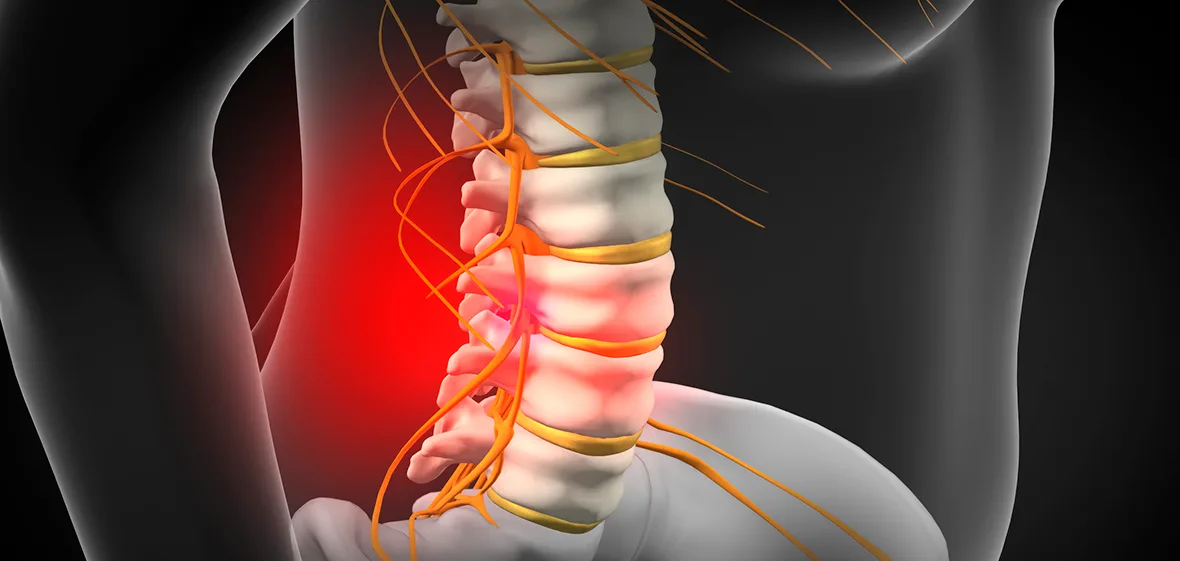
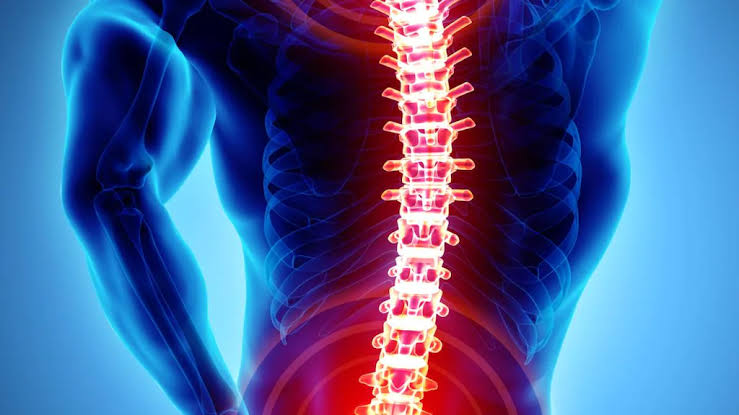
A “slipped disc”—medically referred to as a herniated, bulged, or prolapsed disc—occurs when the soft, gel-like center of a spinal disc pushes through its outer fibrous ring.
+-----------------------------------------------------------------------+
|                       Snippet-Ready Definition                        |
|                                                                       |
| A slipped disc occurs when spinal disc material bulges or tears,      |
| irritating nearby nerve roots. Does every slipped disc need surgery?  |
| No; most cases improve through body reabsorption, targeted            |
| interventional treatments like epidural injections, and physical      |
| therapy, reserving surgery only for severe neurological deficits.      |
+-----------------------------------------------------------------------+
Discs act as shock absorbers between your spinal vertebrae. When disc tissue herniates, it is not actually the damaged disc itself that causes severe distress. Instead, intense pain occurs when the protruding material mechanically pinches or chemically irritates adjacent spinal nerve roots, leading to localized back aching or sharp, radiating nerve pain into the limbs.
How Is Interventional Pain Management Different from Conventional Care and Surgery?
When exploring spinal disc treatments, patients often assume there are only two paths: taking oral painkillers while waiting for pain to clear, or undergoing open spinal surgery. Interventional pain management offers a specialized third option.
+-----------------------------------------------------------------------------------+
|                     Comparing Slipped Disc Treatment Pathways                     |
+-------------------+--------------------------------+------------------------------+
| Care Model        | Primary Mechanism              | Key Advantage / Limitation   |
+-------------------+--------------------------------+------------------------------+
| Conservative Care | Systemic oral medications,     | Non-invasive; may not solve  |
|                   | passive rest, basic ice/heat   | acute severe nerve blocks.   |
+-------------------+--------------------------------+------------------------------+
| Interventional    | Image-guided target injections, | High precision, avoids major |
| Pain Medicine     | nerve blocks, radiofrequency   | surgical risks and downtime. |
+-------------------+--------------------------------+------------------------------+
| Surgical          | Structural removal/fusion      | Necessary for severe deficit;|
| Interventions     | (discectomy, laminectomy)      | higher risk, longer recovery.|
+-------------------+--------------------------------+------------------------------+
Unlike systemic medications that circulate throughout your entire body, an interventional pain doctor uses real-time imaging to deliver precise therapeutic agents directly to the inflamed nerve site.
This targeted approach resolves local inflammation, relieves nerve compression distress, and encourages natural structural healing without the anatomical disruption or long recovery periods associated with open surgery.
How Does a Non-Surgical Interventional Pathway Work for Disc Pain?
If basic conservative care has failed to provide relief after several weeks, a tailored interventional pathway can treat the root source of nerve irritation. Here is how an interventional pain management specialist evaluates and manages disc pain step-by-step:
+-----------------------------------------------------------------------------------+
|                       Step-by-Step Interventional Pathway                         |
+-----------------------------------------------------------------------------------+
| 1. Advanced Diagnostic & Image Correlation                                        |
|    Correlating physical exams with MRI scans to verify the active pain generator   |
+-----------------------------------------------------------------------------------+
| 2. Precision Fluoroscopic Mapping                                                 |
|    Utilizing live X-ray guidance to pinpoint the exact affected spinal level      |
+-----------------------------------------------------------------------------------+
| 3. Targeted Image-Guided Epidural Injections                                     |
|    Applying localized anti-inflammatory solutions around compressed nerve roots   |
+-----------------------------------------------------------------------------------+
| 4. Neuromodulation or Selective Nerve Blocks                                      |
|    Calming chronic hyperactive nerve signaling when simple inflammation persists  |
+-----------------------------------------------------------------------------------+
| 5. Core Rehabilitation & Biomechanical Retraining                                |
|    Restoring spine stability and posture once acute pain is successfully controlled|
+-----------------------------------------------------------------------------------+
- Advanced Diagnostic Correlation: The physician carefully correlates your physical symptoms with MRI or CT findings. MRI scans frequently show bulging discs that are completely asymptomatic; pinpointing the exact clinical pain generator is critical.
- Precision Fluoroscopic Mapping: Using live X-ray guidance (fluoroscopy), the physician visualizes the spinal anatomy in real time, ensuring sub-millimeter accuracy for any needle placement.
- Targeted Epidural Steroid Injections (Transforaminal ESI): Concentrated anti-inflammatory medication is introduced directly into the epidural space surrounding the pinched nerve root. This halts the chemical cascade causing nerve swelling.
- Selective Nerve Root Blocks & Neuromodulation: If pain persists or involves multiple disc levels, targeted nerve blocks or pulsed radiofrequency (PRF) can reset hyperactive nerve pathways without altering motor strength.
- Core Stabilization Rehabilitation: Once acute pain is mitigated, structured physical therapy strengthens the deep abdominal and back muscles to support your spine and prevent future disc herniations.

Non-Surgical Interventional Options for Slipped Discs
Understanding that not every herniated disc requires surgery opens up several proven non-surgical treatment avenues. International clinical guidelines from bodies such as the International Association for the Study of Pain (IASP) emphasize exhausting targeted interventional remedies before considering operative repair.
1. Transforaminal Epidural Steroid Injections
By targeting the specific neural foramen where the affected spinal nerve exits, transforaminal injections deliver localized medication precisely to the site of disc herniation, reducing local swelling rapidly.
2. Pulsed Radiofrequency (PRF) of the Dorsal Root Ganglion
For patients suffering from prolonged nerve pain, PRF uses controlled electrical impulses to interrupt abnormal pain signals passing through the nerve root, providing sustained comfort while preserving nerve structure.
3. Biomechanical Physical Rehabilitation
Once acute inflammation calms down, targeted biomechanical exercises correct pelvic tilts, improve hamstring flexibility, and build muscular core strength to reduce mechanical pressure on vulnerable intervertebral discs.
+------------------------------------------------------------------------------------+
|                      Slipped Disc Treatment Comparison Table                       |
+-------------------------+-------------------------+--------------------------------+
| Treatment Option        | Ideal Candidate         | Key Benefit                    |
+-------------------------+-------------------------+--------------------------------+
| Transforaminal ESI      | Acute disc herniation,  | Rapid reduction of localized  |
|                         | radiating leg pain      | nerve swelling and pain        |
+-------------------------+-------------------------+--------------------------------+
| Pulsed Radiofrequency   | Persistent nerve pain,  | Sustained relief without       |
|                         | chronic disc irritation | structural spinal alteration   |
+-------------------------+-------------------------+--------------------------------+
| Guided Physical Therapy | Post-acute phase, mild  | Restores core support and      |
|                         | mechanical back strain  | minimizes recurrence risk      |
+-------------------------+-------------------------+--------------------------------+
Who Is a Candidate for Non-Surgical Disc Relief?
Asking does every slipped disc need surgery is the first step toward exploring less invasive treatment pathways. You may be a strong candidate for non-surgical pain relief if:
- You experience lower back pain that radiates into your buttock, thigh, or lower leg.
- Your symptoms worsen during prolonged sitting, bending, or coughing, but you retain normal muscle strength.
- Standard oral pain medications, rest, or general physical therapy have provided insufficient relief after 3 to 6 weeks.
- You want to avoid major open spinal surgery or seek a second opinion regarding your MRI findings.
- You are medically unfit for surgery due to underlying health conditions.
When Surgery Is Necessary: Emergency surgical evaluation is required if you experience progressive, severe motor weakness (such as foot drop), or saddle anesthesia accompanied by loss of bowel or bladder control (signs of Cauda Equina Syndrome).
What to Expect: Before, During, and After Procedure
Undergoing an image-guided pain relief procedure is straightforward, minimally invasive, and designed around patient comfort.
- Before the Procedure: Your medical team reviews your imaging, checks your medical history, and gives clear instructions on fasting or adjusting blood-thinning medications.
- During the Procedure: The treatment is performed in an outpatient setting using local anesthesia. You remain conscious while live fluoroscopic imaging guides the physician to the exact anatomical site. The procedure typically takes less than 30 minutes.
- After the Procedure: After a short observation period in a recovery area, you can return home the same day. Most patients return to light, routine daily activities within 24 to 48 hours, with clinical experience suggesting optimal pain relief develops within 3 to 7 days.
When Should You Consider Seeing an Interventional Pain Specialist?
If you have been managing persistent disc pain for more than four to six weeks without meaningful improvement, relying solely on high-dose pain medications or jumping straight to major surgery may not be necessary. Seeking a expert evaluation can provide clarity on non-surgical alternatives.
A consultation with a fellowship-trained interventional pain specialist is the logical next step for an accurate diagnostic assessment.
If you are seeking a detailed second opinion or treatment from a pain specialist in Kondapur, Dr. P. Purohithi offers comprehensive diagnostic evaluations and non-surgical procedures. Holding FIPM (Fellowship in Interventional Pain Management) and IDRA qualifications, Dr. Purohithi focuses on diagnosing the exact source of nerve compression using image-guided, minimally invasive techniques—without defaulting to major surgery.
Practicing at premier clinical locations including Apollo Hospital, Kondapur and Meraki Pain Management Center, she helps patients safely navigate disc herniations and achieve lasting functional recovery.
Frequently Asked Questions
Can a slipped disc heal on its own without surgery?
Yes, in many cases, the body’s immune system recognizes herniated disc material as foreign and gradually breaks it down through a natural process called resorption. Interventional pain treatments help control pain and inflammation during this natural healing window.
How do I know if I need a second opinion for a slipped disc?
If a doctor has recommended spine surgery but you do not have severe motor weakness or loss of bowel/bladder control, seeking a second opinion from a non-surgical pain specialist is recommended to explore minimally invasive options first.
Is an epidural injection for a slipped disc painful?
Epidural injections are performed under local anesthesia to numb the skin and deeper tissues. Patients usually feel a brief sting during the numbing process followed by a mild pressure sensation during the injection itself.
How long does non-surgical pain relief last for a herniated disc?
Relief duration varies based on the severity of compression and individual healing. Targeted epidural injections typically provide several months of pain relief, creating an ideal environment for core rehabilitation and long-term tissue recovery.
How can I consult a pain management specialist in Kondapur?
You can schedule a consultation with a pain specialist by visiting an established clinic such as Meraki Pain Management Center or the pain management department at Apollo Hospital, Kondapur, where comprehensive diagnostic evaluations are performed.
What treatments does Dr. Purohithi offer for slipped discs?
Dr. P. Purohithi provides advanced interventional procedures, including transforaminal epidural injections, selective nerve root blocks, pulsed radiofrequency neuromodulation, and personalized rehabilitation programs designed to treat disc pain without major surgery.

Take Control of Your Spinal Health
A slipped disc diagnosis does not mean you are automatically headed to the operating room. Modern interventional pain medicine provides precise, evidence-based alternatives that effectively resolve nerve pain, reduce inflammation, and help you return to your active life safely.
If you are looking for a trusted second opinion or comprehensive disc treatment in Hyderabad, Dr. P. Purohithi provides thorough diagnostic evaluations at Apollo Hospital, Kondapur and Meraki Pain Management Center.

Leave a Comment