

Table of Contents
Surgery vs Interventional Pain Management: How to Choose the Right Path to Relief
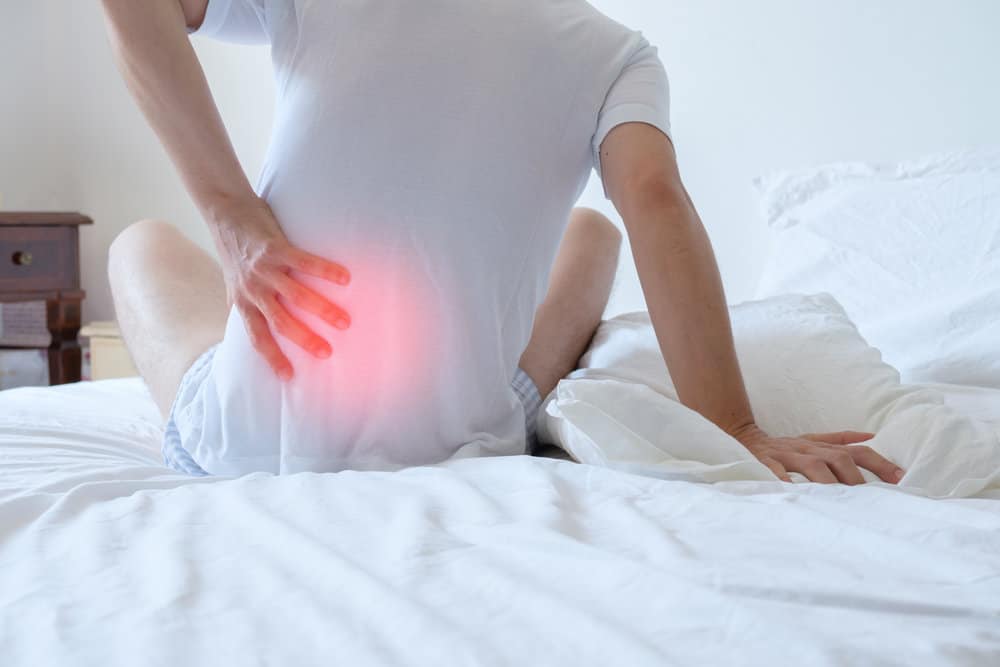
When chronic back discomfort, joint stiffness, or persistent nerve irritation begins to interfere with your quality of life, finding a lasting solution becomes top priority. For many patients—whether a dedicated desk worker suffering from radiating spine stiffness or an active adult struggling with severe knee discomfort—hearing that surgery might be required can trigger anxiety.
It is completely normal to feel cautious when considering operative procedures. Weighing surgery vs interventional pain management is one of the most critical decisions a patient with chronic pain will make, as both fields serve vital roles in modern medicine.
Validating your options and seeking clarity before committing to major structural alterations is not just reasonable—it is an essential step toward patient empowerment. Understanding how modern non-surgical pain relief strategies compare to traditional open procedures allows you to make an informed, confident choice about your health.

Understanding the Key Difference Between Surgery vs Interventional Pain Management
+-----------------------------------------------------------------------------+
|                     SNIPPET DEFINITION & DIRECT ANSWER                      |
|                                                                             |
| The main difference between surgery vs interventional pain management lies   |
| in invasive scope and structural goals. Surgery physically cuts, fuses, or   |
| replaces tissue under general anesthesia, whereas interventional pain care   |
| uses targeted, image-guided, non-surgical injections and radiofrequency to  |
| disrupt pain signals directly at the nerve source under local anesthesia.   |
+-----------------------------------------------------------------------------+
Interventional pain medicine aligns with clinical protocols set by the International Association for the Study of Pain (IASP) and the Indian Society for the Study of Pain (ISSP). Its core objective is to reduce pain and restore functional mobility without altering normal anatomical structures whenever possible.
Quick Comparison: Surgical Intervention vs. Interventional Pain Care
| Comparison Factor | Traditional Surgical Intervention | Interventional Pain Management |
| Primary Goal | Structural repair, tissue decompression, or joint replacement | Pain signal interruption, nerve desensitization, and cellular regeneration |
| Invasiveness | High: Scalpel incisions, tissue division, structural altering | Low: Micro-needles, targeted catheters under live image guidance |
| Anesthesia Used | General or major regional anesthesia | Local anesthesia with light, conscious sedation (ambulatory setting) |
| Recovery Period | Several weeks to months of physical rehabilitation | Typically 24 to 48 hours for standard outpatient recovery |
| Risk Profile | Infection, nerve scar tissue, blood loss, surgical failure | Low risk: Transient bruising, temporary local soreness |
| Suitability | Severe anatomical instability, progressive paralysis | Chronic nerve pain, early-to-moderate arthritis, disc herniation |
How Surgical Interventions Work
Surgical procedures are designed to correct major structural abnormalities within the body. When anatomical damage is severe, open or minimally invasive spinal and joint surgeries physically reshape structures to relieve pressure or rebuild joints.
Common Surgical Approaches
- Spinal Decompression & Fusion: Removing bone spurs or herniated disc material to decompress spinal nerves, often using metal hardware to lock vertebrae together.
- Joint Replacement (Arthroplasty): Excising damaged bone and cartilage in joints like knees or hips and replacing them with synthetic metal or ceramic implants.
Advantages and Considerations of Surgery
While surgery can be life-changing for severe structural collapse, it carries distinct trade-offs:
- Pros: Corrects gross structural defects, restores mechanical stability in severe trauma or advanced degeneration, and prevents permanent neurological loss when structural collapse compresses spinal nerves.
- Cons: Longer hospital stays, extended post-operative rehabilitation, higher infection risks, potential formation of epidural scar tissue (Failed Back Surgery Syndrome), and higher upfront medical costs.
How Interventional Pain Management Works
An interventional pain doctor focuses on pinpointing the exact generator of pain—whether a nerve root, facet joint, or tendon—and applying targeted therapies without open incisions.
Core Interventional Techniques
- Image-Guided Nerve Blocks & Hydrodissection: Delivering anti-inflammatory medication or fluid streams around compressed nerves using real-time ultrasound or fluoroscopy to relieve pressure and calm irritation.
- Radiofrequency Ablation (RFA) & PRF: Utilizing targeted thermal or electrical energy to safely deactivate sensory nerves transmitting pain signals from damaged joints or spinal facets.
- Regenerative Medicine (PRP Therapy): Injecting concentrated platelets from the patient’s blood under precise guidance to promote healing in worn tendons and joint tissue.
Advantages and Considerations of Interventional Care
Interventional medicine provides a powerful bridge between oral medications and open surgery:
- Pros: Outpatient procedures under local anesthesia, minimal downtime, preserved structural anatomy, extremely low risk of complications, and ability to repeat or adjust treatments over time.
- Cons: May require periodic maintenance treatments depending on underlying disease progression; not suitable for cases involving severe structural collapse or progressive paralysis.

Who Is Best Suited to Each Option?
Determining whether you should consult a surgical specialist or an interventional pain specialist depends on your clinical presentation and anatomical imaging:
| Clinical Scenario / Symptoms | Primary Recommended Path | Clinical Reasoning |
| Progressive motor weakness or loss of bowel/bladder control | Immediate Surgery | Indicates severe neurological compromise requiring rapid surgical decompression. |
| Severe joint destruction (Bone-on-Bone Grade IV Osteoarthritis) | Surgical Evaluation | Structural breakdown usually requires mechanical joint replacement. |
| Disc herniation with radiating sciatica lasting past 4–6 weeks | Interventional Pain | Targeted epidural blocks or hydrodissection can relieve nerve inflammation without surgery. |
| Facet joint arthritis or chronic mechanical low back pain | Interventional Pain | Radiofrequency ablation provides long-term pain reduction without spinal fusion. |
| Persistent pain following previous spine or joint surgery | Interventional Pain | Specialized neuromodulation or nerve blocks target post-surgical pain and scar tissue. |
Can I Avoid Knee Replacement Surgery with Treatment?
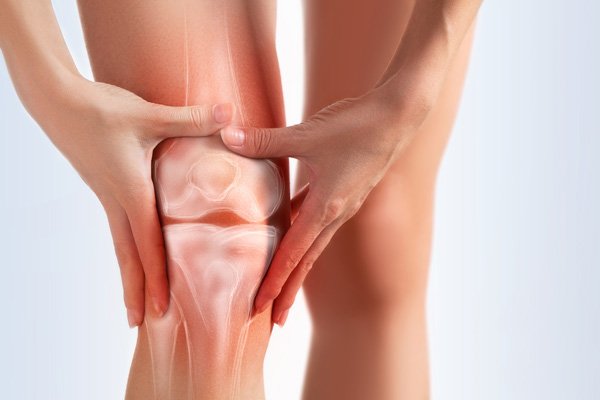
For patients suffering from early-to-moderate knee pain, full knee replacement is not always the only immediate answer. Non-surgical interventional options—such as ultrasound-guided Platelet-Rich Plasma (PRP) therapy, hyaluronic acid joint injections, and genicular radiofrequency ablation—can significantly reduce joint inflammation and block sensory pain nerves around the knee.
Clinical experience suggests these targeted treatments can manage pain effectively and improve daily walking capacity, often allowing patients to comfortably delay or completely avoid major joint replacement surgery.
Why a Second Opinion from an Interventional Pain Specialist Matters
Receiving a surgical recommendation can feel overwhelming. Seeking a second opinion from an interventional pain specialist is not about rejecting your surgeon’s advice—it is about ensuring you have explored every available non-surgical avenue before making an irreversible commitment.
+-----------------------------------------------------------------------------+
|                 INTERVENTIONAL PAIN DIAGNOSTIC ROADMAP                      |
|                                                                             |
| [ Comprehensive Clinical Exam ] -> Evaluates pain history & mechanical movement
|                                            |
|                                            v
| [ High-Res Dynamic Ultrasound ] -> Visualizes nerve trapping & soft tissue live
|                                            |
|                                            v
| [ Targeted Diagnostic Block ] ---> Tests micro-dose anesthetic at pain source
|                                            |
|                                            v
| [ Clear Treatment Path ] --------> Confirms if non-surgical care is viable
+-----------------------------------------------------------------------------+
Consulting a specialist with credentials such as a Fellowship in Interventional Pain Management (FIPM) and expertise in In-plane Ultrasound-Guided Regional Anesthesia (IDRA) ensures your pain is evaluated through dynamic, real-time diagnostic imaging.
In Hyderabad, Dr. P. Purohithi leads the Meraki Pain Management Center at Apollo Hospital, Kondapur. Practicing with a “non-surgical first” philosophy, Dr. Purohithi provides objective diagnostic evaluations to confirm whether targeted procedures can deliver relief, reserving surgical referrals strictly for cases where structural repair is genuinely required.
Common Mistakes Patients Make When Comparing Options
Navigating chronic pain care requires avoiding several common missteps:
- Rushing to Surgery Without Trying Interventional Options: Assuming open surgery is the only logical step after oral medications fail, without evaluating non-surgical nerve procedures.
- Assuming an MRI Scan Tells the Entire Story: Relying solely on static MRI scans. MRI reports often show structural wear that may not actually be the direct cause of your daily symptoms.
- Equating Pain Management Only with Oral Painkillers: Believing that pain doctors only prescribe long-term oral drugs, rather than performing advanced, non-surgical image-guided procedures.
- Not Consulting a Pain Specialist for Post-Surgical Pain: Expecting a second surgery to fix lingering pain from a previous operation, when interventional neuromodulation or nerve blocks may offer far better relief.
Frequently Asked Questions
Is interventional pain management safer than surgery?
Yes. Because interventional pain procedures are minimally invasive, performed under local anesthesia, and rely on real-time image guidance, they carry significantly lower risks of infection, blood loss, and nerve injury compared to major surgery.
Can interventional pain treatments permanently cure my pain?
While treatments like radiofrequency ablation or PRP therapy may significantly reduce pain for months or years, chronic conditions require ongoing care. The goal is long-term pain control and functional recovery rather than absolute structural “cures.”
How do I know if I am a candidate for interventional pain procedures?
If your pain has lasted longer than 4 to 6 weeks, does not involve progressive paralysis or loss of bowel/bladder control, and has not improved with basic medications, you are likely a candidate for an interventional evaluation.
How long does radiofrequency ablation last?
Pulsed or thermal radiofrequency ablation typically provides relief lasting between 6 to 18 months or longer. Relief can be sustained over time by repeating the outpatient procedure if nerve fibers eventually regenerate.
What happens if interventional pain procedures do not relieve my pain?
If non-surgical interventional options do not yield adequate relief, your pain specialist can provide a clear diagnostic report and refer you to a trusted orthopedic or spine surgeon for surgical evaluation.
How much do non-surgical pain management procedures cost in Hyderabad?
Procedure costs vary based on the specific intervention required (e.g., nerve blocks, hydrodissection, or radiofrequency ablation) and guidance technology used. Transparent cost estimates are provided following a comprehensive consultation at Meraki Pain Management Center.
Is PRP therapy painful?
PRP therapy involves a simple blood draw and an injection into the affected joint or tendon under local anesthesia. Patients typically experience mild, temporary local soreness for a few days post-injection as the natural healing process begins.
How do I book a second opinion consultation with Dr. Purohithi?
You can book a second opinion consultation with Dr. P. Purohithi at Meraki Pain Management Center, Apollo Hospital, Kondapur, Hyderabad by calling +91 88856 23283 or visiting https://drpurohithi.com/.
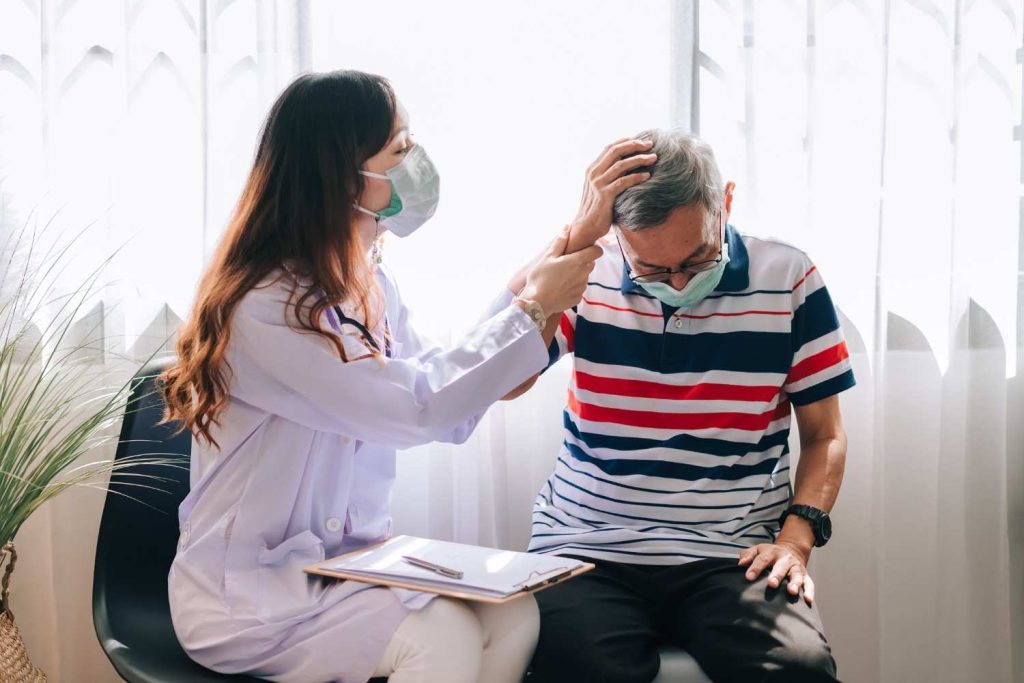
Make an Informed Decision Before Choosing Surgery
Before committing to major surgery, ensure you have explored every non-surgical, image-guided treatment available. Dr. P. Purohithi at Meraki Pain Management Center, Apollo Hospital, Kondapur, Hyderabad, offers comprehensive diagnostic evaluations and clear written treatment plans to help you make the right choice for your long-term health.


Leave a Comment