
Table of Contents
Can Neck Problems Cause Headaches? Understanding Cervicogenic Headaches and Nerve Relief
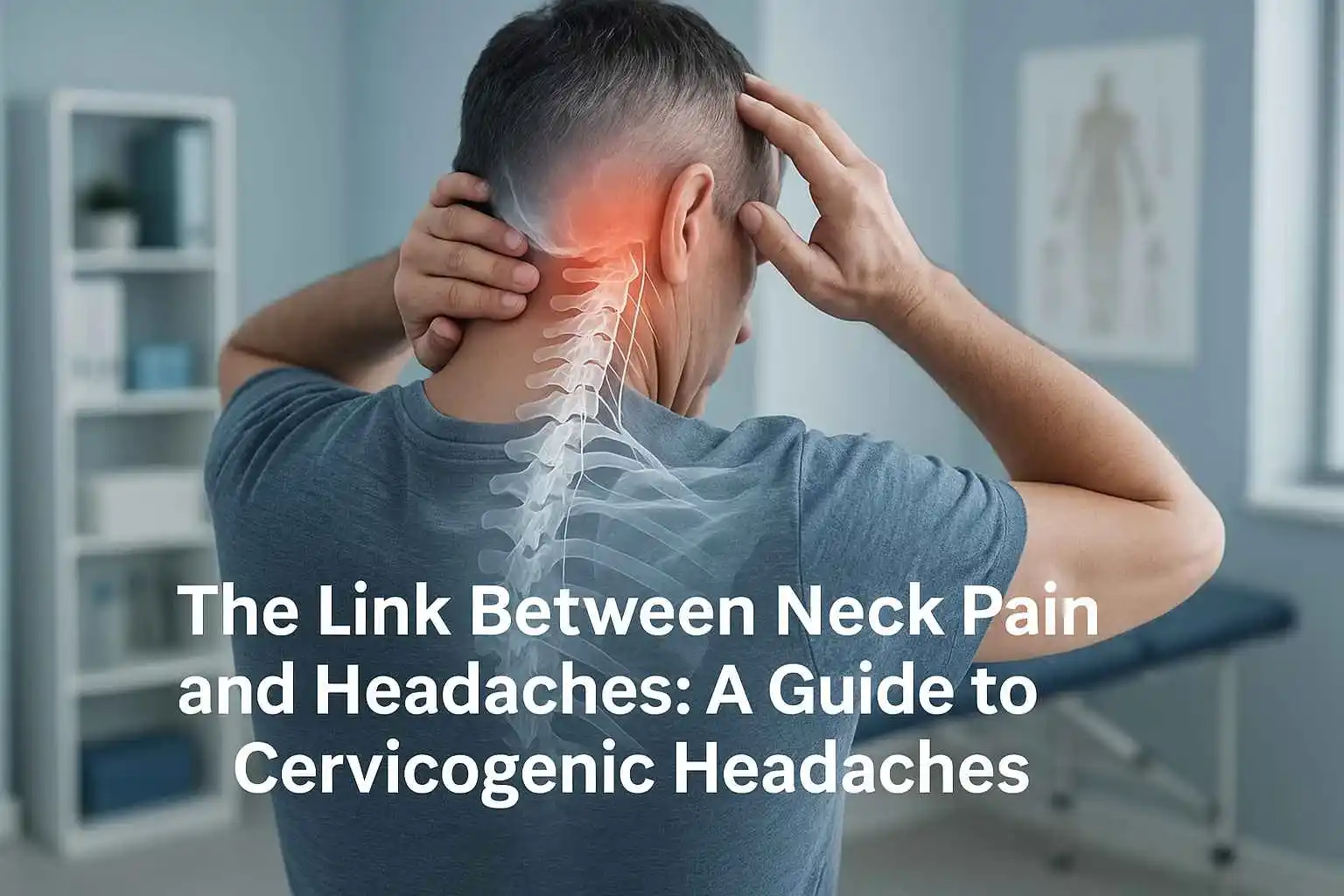
Few health issues are as frustrating as a persistent headache that refuses to go away, no matter how many pain relievers or migraine treatments you try. For many IT professionals, desk-bound workers, and individuals recovering from minor neck injuries, the pain starts at the base of the skull or neck and gradually radiates upward to the forehead, temple, or behind one eye.
If you have ever wondered, can neck problems cause headaches?, the short answer is yes. Many chronic headaches originate not within the brain itself, but from irritated nerves, joints, or muscles in the upper cervical spine.
These secondary headaches are frequently misdiagnosed as standard tension headaches or refractory migraines. Understanding the anatomical link between your neck and your head is the first step toward finding an accurate diagnosis and targeted, non-surgical relief.
The Hidden Anatomical Bridge Between Your Neck and Head
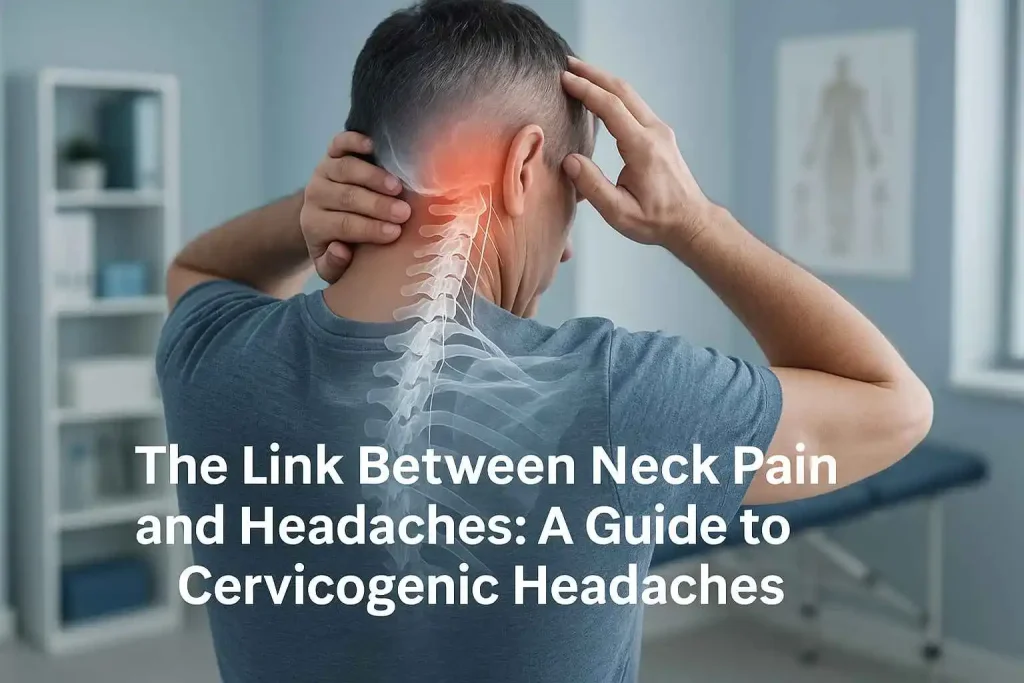
To understand how neck issues trigger headache symptoms, it is helpful to look at how sensory nerves are wired in the upper cervical spine. The upper three cervical nerves (C1, C2, and C3) share pain-signaling pathways with the trigeminal nerve—the main nerve responsible for carrying sensation from your face and head to your brain.
This shared nerve center, located in the upper spinal cord, is called the trigeminal-cervical nucleus.
+-----------------------------------------------------------------------------+
|                     SNIPPET DEFINITION & CORE MECHANISM                     |
|                                                                             |
| Yes, neck problems frequently cause headaches known as cervicogenic         |
| headaches or occipital neuralgia. These occur when irritated spinal joints, |
| compressed nerves, or strained muscles in the upper cervical spine send    |
| pain signals that converge in the spinal cord, causing the brain to        |
| perceive pain in the head, temple, or eye area.                             |
+-----------------------------------------------------------------------------+
When facet joints, spinal discs, or surrounding muscles in your upper neck become inflamed or compressed, the pain signals travel into this shared spinal pathway. Because the brain receives overlapping input from both the neck and head nerves, it interprets the neck irritation as a headache. This physiological phenomenon is known as referred pain.
+-----------------------------------------------------------------------------+
|                 MECHANISM OF CERVICOGENIC REFERRED PAIN                     |
|                                                                             |
| [ Upper Cervical Spine (C1–C3) ] --------> Irritated Facet Joint / Nerve    |
|                                                     |                       |
|                                                     v                       |
| [ Trigeminal-Cervical Nucleus ] ---------> Converging Signal Gateway        |
|                                                     |                       |
|                                                     v                       |
| [ Brain Processing Center ] -------------> Misinterprets Pain as Head / Eye  |
+-----------------------------------------------------------------------------+
Primary Neck-Related Headache Conditions
When neck structural issues driver headache symptoms, two main clinical diagnoses are typically identified by interventional pain specialists:
1. Cervicogenic Headaches
A cervicogenic headache is a secondary headache, meaning it is caused by an underlying structural problem in the neck—such as cervical facet joint arthritis, a bulging spinal disc, or chronic postural strain.
- Key Characteristics: Pain typically starts at the base of the skull, affects one side of the head (unilateral), and worsens with specific neck movements or prolonged posture (such as staring at a computer screen).
- Common Symptoms: Reduced neck mobility, stiff neck muscles, and pain radiating forward to the forehead, temple, or area behind the eye.
2. Occipital Neuralgia
Occipital neuralgia occurs when the greater or lesser occipital nerves—which run from the top of the spinal cord up through the scalp—become compressed, inflamed, or pinched by tight neck muscles or surrounding scar tissue.
- Key Characteristics: Sharp, electric-shock, burning, or throbbing pain that shoots upward from the base of the neck into the scalp.
- Common Symptoms: Extreme tenderness to the touch on the scalp, making brushing hair or resting the head on a pillow uncomfortable.

Comparing Cervicogenic Headaches, Migraines, and Tension Headaches
Because symptoms can overlap, many patients suffering from neck-driven headaches are misdiagnosed for years and prescribed medications that do not fix the underlying cervical joint or nerve issue:
| Feature | Cervicogenic Headache | Migraine | Tension-Type Headache |
| Primary Origin | Upper cervical spine (joints, nerves, muscles) | Neurological / brain chemical dysfunction | Muscle tightness across forehead / pericranial muscles |
| Pain Pattern | Unilateral (one side); starts in neck/base of skull | Often unilateral; throbbing or pulsating sensation | Dull, aching band-like pressure around the entire head |
| Neck Movement Effect | Pain is triggered or worsened by neck movement or pressure | Neck movement does not typically trigger acute pain | Pain is constant; unaffected by single neck movements |
| Associated Features | Reduced neck mobility, tenderness at skull base | Nausea, aura, high sensitivity to light and sound | Mild muscle soreness; no nausea or light sensitivity |
| Response to Painkillers | Minimal or temporary relief with standard medications | Responds to specific anti-migraine drugs (triptans) | Responds moderately to over-the-counter painkillers |
Why Standard Treatments Often Fail to Provide Lasting Relief
If you have tried daily oral medications, massage therapy, or general physical therapy without long-term improvement, it is usually because the precise anatomical generator of your pain has not been targeted.
+-----------------------------------------------------------------------------+
|                  LIMITATIONS OF GENERALIZED TREATMENT                       |
|                                                                             |
| [ Systemic Medications ] -------> Dull overall brain perception; fail to    |
|                                  release mechanical nerve compression      |
|                                                                             |
| [ Unfocused Massage Therapy ] --> Relaxes surface muscles; cannot resolve   |
|                                  deep cervical facet joint inflammation     |
+-----------------------------------------------------------------------------+
- Systemic Oral Medications: Anti-inflammatory drugs or muscle relaxants circulate throughout the entire body, dulling overall perception without releasing physical compression on an occipital nerve or calming an inflamed C2-C3 facet joint.
- Unfocused Physical Therapy: Exercises applied without an exact diagnostic target can sometimes further irritate pinched nerves or inflamed spinal joints if done during an active pain flare.
The Value of Seeking a Second Opinion for Chronic Headaches
If your headache diagnosis remains uncertain or your current treatment plan has plateaued, seeking a second opinion from a fellowship-trained interventional pain doctor can provide clarity.
Interventional pain specialists use advanced, real-time imaging techniques—such as high-resolution ultrasound and fluoroscopy (live X-ray)—to evaluate soft tissues, trace small nerve branches, and assess spinal joint structures that standard static scans may not highlight.
+-----------------------------------------------------------------------------+
|                     PRECISION DIAGNOSTIC APPROACH                           |
|                                                                             |
| [ Dynamic High-Res Ultrasound ] --> Visualizes real-time nerve compression   |
|                                         |                                   |
|                                         v                                   |
| [ Target Diagnostic Block ] ------> Delivers micro-dose under direct view   |
|                                         |                                   |
|                                         v                                   |
| [ Immediate Pain Relief Test ] ---> Confirms exact neck structure causing   |
|                                   the headache                              |
+-----------------------------------------------------------------------------+
A target diagnostic nerve block involves injecting a micro-dose of local anesthetic directly near the suspect nerve or cervical joint under precise image guidance. If your headache symptoms vanish within minutes during the block, the exact source of your pain is confirmed, paving the way for a definitive, long-term treatment strategy.
Non-Surgical Interventional Relief Options
Modern interventional pain management offers targeted, image-guided procedures to relieve neck-driven headaches without requiring open surgery or long-term medication use:
1.1. Image-Guided Diagnostic & Therapeutic Nerve Blocks: Interrupting pain signals to confirm the exact source.
Using live ultrasound or fluoroscopic guidance, a precise micro-dose of local anesthetic and anti-inflammatory medication is delivered to the occipital nerve or cervical medial branch. This confirms the diagnosis while calming local tissue inflammation.
2.2. Ultrasound-Guided Occipital Nerve Hydrodissection: Releasing physical nerve entrapment under direct view.
A small, gentle stream of fluid is injected under high-resolution ultrasound to separate compressed occipital nerves from tight, surrounding neck fascial layers and scar tissue.
3.3. Cervical Medial Branch Pulsed Radiofrequency (PRF): Modulating hyperactive pain signals for long-term comfort.
Pulsed radiofrequency delivers targeted electrical field energy to the sensory nerves supplying painful cervical facet joints. This calms hyperactive nerve firing without damaging surrounding structures.
4.4. Targeted Physical Rehabilitation & Posture Correction:Restoring spinal stability and neck muscle balance.
Once nerve and joint pain is significantly reduced, customized rehabilitation strengthens deep neck flexors and improves posture, preventing pain recurrences during daily computer or desk work.
Meet Dr. P. Purohithi — Specialist Care in Hyderabad
If you are seeking a expert second opinion for chronic neck-driven headaches in Hyderabad, Dr. P. Purohithi offers comprehensive, image-guided evaluations and individualized non-surgical treatment plans.
Dr. Purohithi practices at Meraki Pain Management Center, located within Apollo Hospital, Kondapur, Hyderabad.
Holding advanced qualifications including a Fellowship in Interventional Pain Management (FIPM) and In-plane Ultrasound-Guided Regional Anesthesia (IDRA), Dr. Purohithi specializes in identifying complex nerve and joint pain generators in the neck and head.
By utilizing state-of-the-art procedure suites and precise imaging technology at Apollo Hospital, Kondapur, Dr. Purohithi provides patients with accurate diagnoses and targeted, non-surgical relief options designed to help them return to daily life without relying on continuous medication.
Steps to Prepare for Your Headache and Neck Pain Evaluation
Preparing for your specialist evaluation helps ensure a thorough, precise diagnostic session:
1.1. Maintain a Detailed Headache Log: Logging headache frequency, location, and posture triggers.
Track your headache episodes for 1–2 weeks. Note where the pain begins, whether it radiates to your eye or temple, and if computer work or neck turning worsens it.
2.2. Gather Past Cervical Spine and Brain Scans: Collecting previous neck and brain imaging reports.
Bring all previous MRI or CT scan reports of your brain and cervical spine, as well as a list of past medications and treatments you have tried.
3.3. Avoid Forced Neck Manipulations: Avoiding sudden, force-based chiropractic neck manipulations.
Refrain from aggressive, unguided neck popping or heavy force-based massages while experiencing acute nerve pain, as this can exacerbate underlying joint inflammation.
4.4. Book a Diagnostic Consultation: Scheduling an image-guided interventional consultation.
Consult a fellowship-trained interventional pain specialist to perform a targeted assessment and dynamic ultrasound examination of your neck structures.
Frequently Asked Questions
Can neck problems cause headaches on one side of the head?
Yes. Cervicogenic headaches and occipital neuralgia typically cause unilateral (one-sided) pain that originates at the base of the skull and radiates forward over the scalp to the temple, forehead, or eye region.
How do I know if my headache is coming from my neck?
If your headache is accompanied by neck stiffness, gets worse when turning your head or sitting at a computer, or starts at the base of your skull, it is highly likely that your neck is contributing to or causing the headache.
What is the difference between a cervicogenic headache and a migraine?
A cervicogenic headache is triggered by structural issues in the neck (such as joint or nerve compression) and is often worsened by neck movement. Migraines are primary neurological disorders frequently accompanied by nausea, aura, and severe light sensitivity.
How long does an occipital nerve block take to work?
Local anesthetic relief during an occipital nerve block often occurs within 10 to 15 minutes, serving as a diagnostic test. Long-term therapeutic inflammation reduction typically develops over 3 to 7 days.
Is radiofrequency ablation safe for neck-related headaches?
Yes. Pulsed radiofrequency (PRF) is a safe, minimally invasive procedure performed under real-time image guidance to calm sensory nerves supplying inflamed cervical joints without causing permanent nerve damage.
Can bad posture while working at a laptop trigger cervicogenic headaches?
Yes. “Tech neck” or forward-head posture puts extra mechanical strain on the upper cervical joints and compresses the occipital nerves, frequently triggering cervicogenic headaches.
How do I schedule a second opinion with Dr. Purohithi at Apollo Hospital, Kondapur?
You can book a diagnostic consultation with Dr. P. Purohithi by calling +91 88856 23283 or visiting https://drpurohithi.com/.

Reclaim Your Days from Chronic Neck-Driven Headaches
You do not have to live with persistent headaches or accept incomplete diagnoses. Understanding that neck problems can cause headaches opens the door to targeted, non-surgical relief options focused on the true source of your discomfort.
If you are ready for a clear, precise second opinion, expert care is available at Meraki Pain Management Center, Apollo Hospital, Kondapur, Hyderabad.


Leave a Comment