
Table of Contents
Which Medicine Is Best for Ankle Pain? A Comprehensive Patient Guide
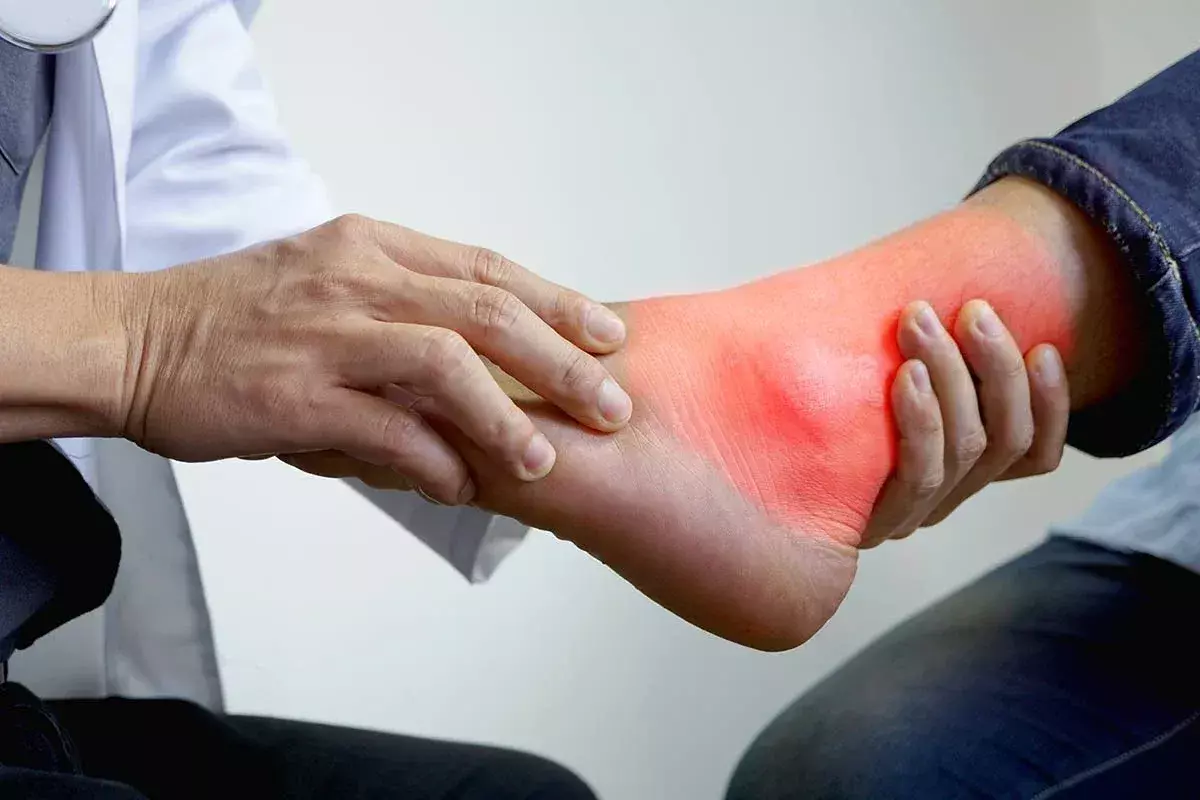
When asking which medicine is best for ankle pain?, the answer depends heavily on whether your pain stems from an acute sprain, chronic tendonitis, or joint arthritis. While over-the-counter anti-inflammatories offer short-term relief, addressing persistent ankle discomfort requires understanding the underlying cause rather than relying indefinitely on daily pills.
Ankle pain can severely compromise your mobility—turning simple daily tasks like walking down stairs or taking an evening stroll into daunting challenges. Whether you are a runner dealing with Achilles tendinopathy or someone experiencing morning joint stiffness, choosing the right medication and knowing when to transition to targeted, non-surgical therapies is essential for protecting joint function.

What Is Ankle Pain Management?
+-----------------------------------------------------------------------------+
|                     SNIPPET DEFINITION & CORE MECHANISM                     |
|                                                                             |
| Ankle pain management is a structured clinical approach that combines oral   |
| and topical medications with targeted interventional therapies to reduce    |
| inflammation, protect joint cartilage, and restore stability to the ankle    |
| complex without immediate surgical intervention.                            |
+-----------------------------------------------------------------------------+
Ankle pain management encompasses a continuum of care starting with conservative medical management—such as oral non-steroidal anti-inflammatory drugs (NSAIDs) and topical gels—and advancing to precision image-guided interventions when standard medications fail to deliver lasting relief.
How Is This Different From What Most Patients Receive?
Many individuals experiencing recurrent ankle discomfort follow a repetitive cycle: taking daily oral pain relievers, applying temporary cooling gels, or wearing elastic bandages whenever flare-ups occur. While these steps offer temporary comfort, they rarely address the structural or inflammatory root of the problem.
+-----------------------------------------------------------------------------+
|                   CONTINUUM OF ANKLE PAIN TREATMENT                         |
|                                                                             |
| [ Systemic Medications ] -------> Masks pain globally; risks gastric strain |
| [ Physical Rehabilitation ] ----> Restores range of motion & proprioception |
| [ Interventional Medicine ] ----> Pinpoints & treats exact joint/nerve tissue|
| [ Reconstructive Surgery ] -----> Reserved for severe structural instability |
+-----------------------------------------------------------------------------+
- Systemic Oral Relief vs. Targeted Care: Standard oral analgesics travel through your entire digestive system and bloodstream, delivering only a fraction of the active compound to the inflamed ankle capsule. Interventional pain care delivers precise therapeutic micro-doses directly into the affected joint space or tendon sheath under real-time imaging.
- Symptom Suppression vs. Structural Healing: Over-the-counter pills temporarily dull pain signals sent to the brain. Advanced interventional options—such as ultrasound-guided regenerative therapies—work to support the body’s natural tissue repair mechanisms and reduce localized synovial swelling.
- General Rest vs. Precision Rehabilitation: Resting an injured ankle for too long can lead to joint stiffness and muscle atrophy. By using targeted interventions to calm active inflammation first, patients can comfortably engage in structured physical therapy to rebuild ankle stability.
How Does Ankle Pain Medicine Work? A Step-by-Step Clinical Pathway
Understanding how medications and targeted therapies relieve ankle pain helps you make informed decisions alongside your treating physician.
1.1. Clinical Evaluation & Origin Identification:Evaluating mechanisms behind sprains, arthritis, or nerve compression.
Your physician evaluates your ankle structure, movement triggers, swelling patterns, and weight-bearing capacity to determine whether the pain is driven by ligament strain, joint wear, or nerve entrapment.
2.2. Primary Pharmacological Management:Short-term use of oral or topical anti-inflammatory formulations.
For acute flare-ups, short courses of oral NSAIDs or topical anti-inflammatory gels are prescribed to decrease tissue swelling and lower localized pain levels.
3.3. Precision Diagnostic Localization:Ultrasound or fluoroscopy mapping for recalcitrant pain.
If pain persists despite oral medication, high-resolution ultrasound mapping is used to locate inflamed synovial tissue, partial tendon tears, or irritated nerve branches around the malleolus.
4.4. Targeted Image-Guided Injection:Direct administration of therapeutic compounds under guidance.
Using real-time ultrasound guidance, specialized therapeutic solutions—such as localized anti-inflammatory agents or platelet-rich plasma (PRP)—are placed precisely into the target joint space or tendon sheath.
5.5. Biomechanical Rehabilitation & Prevention:Rebuilding proprioception, strength, and ankle stability.
Once inflammation is controlled, a structured program focusing on balance exercises, calf stretching, and custom orthotics helps prevent recurrent sprains and long-term joint degradation.

Types of Ankle Pain Medications and Non-Surgical Options
Selecting the appropriate treatment involves weighing efficacy against potential side effects. The table below compares common pharmacological and interventional options used for ankle pain:
| Treatment Category | Common Examples / Mechanisms | Primary Indications | Key Considerations & Limitations |
| Oral NSAIDs | Ibuprofen, Naproxen, Etoricoxib | Acute sprains, mild tendonitis, joint flare-ups | Effective short-term; prolonged use may cause stomach irritation or renal strain. |
| Topical Analgesics | Diclofenac gel, Capsaicin, Menthol creams | Localized soft tissue strain, superficial joint pain | Minimal systemic absorption; ideal for mild, surface-level inflammation. |
| Oral Neuropathic Agents | Pregabalin, Gabapentin | Tarsal tunnel syndrome, nerve entrapment pain | Calms hyperactive nerve pathways; requires gradual dose adjustment under medical care. |
| Ultrasound-Guided Injections | Corticosteroid, Hyaluronic acid | Severe osteoarthritic wear, chronic synovitis | Delivers direct local anti-inflammatory relief; avoids systemic pill exposure. |
| Regenerative PRP Therapy | Autologous Platelet-Rich Plasma | Chronic ligament laxity, Achilles tendinopathy | Concentrates natural growth factors to support tissue repair over progressive weeks. |
Who Is Suitable for Advanced Ankle Pain Management?
While minor ankle sprains often resolve with simple rest and brief medication, advanced evaluation becomes necessary when discomfort lingers. You may be a candidate for specialized ankle care if:
- You Experience Persistent Pain Beyond 4 to 6 Weeks: Your ankle continues to throb, swell, or feel weak long after an initial twist or strain.
- Oral Medications Cause Stomach Discomfort: You experience heartburn, hyperacidity, or elevated blood pressure from taking daily anti-inflammatory pills.
- Walking or Weight-Bearing Is Restricted: Morning stiffness or sharp weight-bearing pain makes standing for work or walking through daily routines difficult.
- You Wish to Avoid Major Joint Surgery: You have been diagnosed with ankle osteoarthritis or chronic ligament laxity and want to explore non-surgical options before considering surgical reconstruction.
What to Expect During Advanced Interventional Care
If conservative oral medications fail to resolve your ankle pain, transitioning to image-guided interventional care is straightforward and reassuring:
+-----------------------------------------------------------------------------+
|                 OUTPATIENT INTERVENTIONAL ANKLE CARE ROUTINE                |
|                                                                             |
|  [ Comprehensive Assessment ] ------> Diagnostic ultrasound scan             |
|  [ Local Numbing Application ] -----> Minimizes procedural discomfort       |
|  [ 15–20 Min Precision Procedure ] -> High-resolution C-arm / Ultrasound    |
|  [ Same-Day Discharge ] ------------> Quick return home with mobility plan  |
+-----------------------------------------------------------------------------+
- Before the Procedure: Your physician conducts a high-resolution ultrasound scan to pinpoint the precise anatomical origin of your pain—whether within the talocrural joint, subtalar joint, or surrounding tendons.
- During the Procedure: Performed in a sterile outpatient suite, local anesthesia is applied to ensure comfort. Real-time ultrasound guidance ensures the micro-needle reaches the exact target area while completely avoiding adjacent blood vessels and nerves.
- After the Procedure: You can typically walk out of the clinic shortly after the session. Most patients experience minimal downtime and resume light everyday walking within 24 to 48 hours.
When Should You Consider Seeing an Interventional Pain Specialist?
If you have been managing ankle pain with over-the-counter pills for several weeks without lasting improvement, or if side effects prevent you from taking oral medication, consulting a pain management specialist is the logical next step.
Dr. P. Purohithi at Apollo Hospital, Kondapur, Hyderabad, specializes in accurately diagnosing and treating complex joint and nerve pain using precision image-guided, non-surgical techniques—without defaulting to major surgery.
Holding prestigious qualifications including a Fellowship in Interventional Pain Management (FIPM) and In-plane Ultrasound-Guided Regional Anesthesia (IDRA), Dr. Purohithi delivers comprehensive, evidence-based care. At Meraki Pain Management Center, located within Apollo Hospital, Kondapur, patients have access to advanced diagnostic ultrasound, modern fluoroscopic suites, and personalized rehabilitation programs.
Frequently Asked Questions
Which medicine is best for ankle pain caused by a sprain?
For an acute ankle sprain, short-term use of oral non-steroidal anti-inflammatory drugs (NSAIDs) such as ibuprofen or naproxen, combined with topical diclofenac gel, is commonly recommended to manage early swelling and pain under medical guidance.
Are topical pain gels as effective as oral pain tablets for ankle pain?
Topical NSAID gels can be very effective for mild to moderate superficial joint and tendon pain. They provide localized anti-inflammatory action with significantly fewer gastrointestinal side effects compared to oral tablets.
Is radiofrequency ablation safe for chronic joint pain?
Yes. Radiofrequency ablation (RFA) is a well-established, safe, and minimally invasive day-care procedure when performed by a qualified interventional pain doctor using real-time image guidance.
How do I know if I need a pain management specialist for my ankle?
If your ankle pain persists for more than 4 weeks, fails to respond to rest and basic anti-inflammatory pills, or limits your ability to walk and bear weight comfortably, an evaluation by a pain specialist is advisable.
How much does an image-guided joint injection cost in Hyderabad?
The cost of an ultrasound-guided ankle injection or regenerative therapy in Hyderabad varies based on the specific procedure, medication, and outpatient facility requirements. Clear cost estimates are provided following a diagnostic evaluation at Meraki Pain Management Center.
Can PRP therapy help avoid ankle surgery?
For patients with chronic Achilles tendonitis, partial ligament tears, or mild-to-moderate ankle arthritis, platelet-rich plasma (PRP) therapy can reduce local inflammation and support tissue repair, often helping defer or avoid open surgery.
How do I schedule an ankle pain consultation with Dr. Purohithi in Kondapur?
You can book a thorough diagnostic consultation with Dr. P. Purohithi by calling +91 88856 23283 or visiting https://drpurohithi.com/.
Take the First Step Toward Non-Surgical Ankle Relief
Relying indefinitely on temporary pain pills is rarely a long-term solution for chronic ankle pain. Understanding which medicine is best for ankle pain—and knowing when to progress to targeted non-surgical care—empowers you to protect your long-term mobility.
If you are considering an interventional ankle pain evaluation in Hyderabad, Dr. P. Purohithi at Apollo Hospital, Kondapur, offers a thorough diagnostic consultation before any treatment plan is recommended.




Leave a Comment