
Table of Contents
Which is the Best Treatment for Shoulder Pain? Modern Non-Surgical Solutions Explained
When persistent shoulder stiffness, aching, or weakness begins to interfere with your daily routine, finding out which is the best treatment for shoulder pain becomes an urgent priority. The shoulder is an exceptionally complex ball-and-socket joint that relies on a delicate harmony of muscles, tendons, ligaments, and nerves to deliver a full 360-degree range of motion.
Consider a desk worker in Hyderabad who struggles to lift their arm to type, or a homemaker finding it painful to fast-forward daily chores or dress comfortably in the morning. When shoulder discomfort strikes, even simple tasks feel overwhelming. The optimal treatment choice is never a one-size-fits-all remedy; rather, it depends entirely on whether your pain originates from a rotator cuff tear, subacromial bursitis, adhesive capsulitis (frozen shoulder), or a compressed nerve root in the neck.
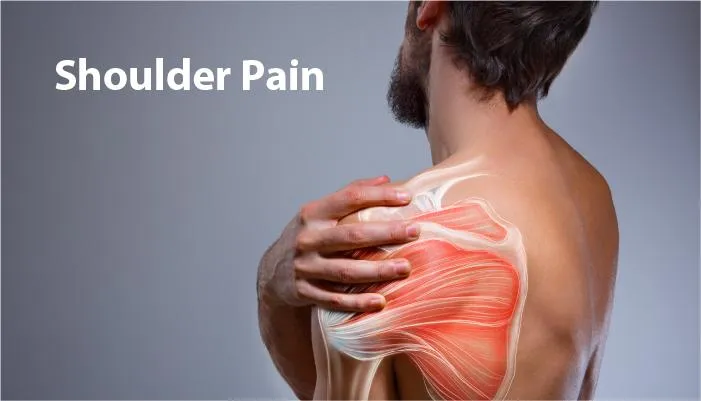
What is Interventional Shoulder Pain Management?
Interventional shoulder pain management is a specialized branch of non-surgical medicine focused on diagnosing and treating the exact anatomical source of joint discomfort using real-time image guidance, such as musculoskeletal ultrasound or fluoroscopy.
+-----------------------------------------------------------------------------+
|                INTERVENTIONAL SHOULDER DIAGNOSIS & RECOVERY                 |
|                                                                             |
|  [ Targeted Imaging / Ultrasound ] ---> [ Precision Injection / Block ]    |
|                 ^                                      |                    |
|                 |                                      v                    |
|  [ Long-Term Mobility & Rehab ] <--- [ Immediate Tissue Decompression ]    |
+-----------------------------------------------------------------------------+
Unlike general pain treatments that simply mask symptoms using oral medications, interventional procedures deliver therapeutic anti-inflammatory agents or regenerative solutions directly into inflamed bursae, damaged tendons, or hyperactive nerve paths. This precise approach quiets local tissue inflammation while preserving healthy joint structures, allowing patients to resume functional physical therapy without undergoing major open surgery.
How Interventional Care Differs from Standard Medical Care and Surgery
When researching which is the best treatment for shoulder pain, patients often find themselves stuck between temporary home remedies and intimidating surgical consultations. Understanding how interventional pain management fits into the continuum of care helps clarify your options.
+-----------------------------------------------------------------------------+
|                 SPECTRUM OF SHOULDER PAIN CARE OPTIONS                      |
|                                                                             |
| [ Standard Medical Care ] ---> [ Interventional Pain Care ] ---> [ Surgery ]|
|   (NSAIDs & Rest)               (Ultrasound-Guided Injections &   (Anatomic |
|   Provides temporary relief;    Regenerative Therapy)             Reconstruction)|
|   doesn't fix tissue damage.   Targeted nerve/joint treatment;    High risk;   |
|                                 non-surgical with minimal downtime. long rehab.  |
+-----------------------------------------------------------------------------+
Standard conservative management typically relies on rest, ice packs, and over-the-counter painkillers. While useful for mild muscle strain, systemic medications circulate throughout the entire body and may cause gastrointestinal or renal side effects over time without directly repairing damaged shoulder structures.
On the other end of the spectrum, open or arthroscopic surgery physically alters joint anatomy, carrying risks such as infection, anesthesia complications, and lengthy postoperative rehabilitation. Interventional pain care bridges this gap. By utilizing high-resolution guidance, an interventional pain doctor treats the precise pain generator directly, making it one of the safest and most effective choices for chronic soft-tissue shoulder disorders.
How Image-Guided Interventional Shoulder Treatment Works: Step-by-Step
Achieving lasting shoulder relief without surgery requires a structured, step-by-step clinical approach designed for maximum diagnostic accuracy and patient comfort:
  +------------------------------------------------------------------+
  | STEP 1: Biomechanical Physical Assessment & History Mapping      |
  +------------------------------------------------------------------+
                                   |
                                   v
  +------------------------------------------------------------------+
  | STEP 2: Real-Time Musculoskeletal Ultrasound Evaluation          |
  +------------------------------------------------------------------+
                                   |
                                   v
  +------------------------------------------------------------------+
  | STEP 3: Targeted Local Anesthetic Diagnostic Mapping             |
  +------------------------------------------------------------------+
                                   |
                                   v
  +------------------------------------------------------------------+
  | STEP 4: Precision Therapeutic or Regenerative Delivery           |
  +------------------------------------------------------------------+
                                   |
                                   v
  +------------------------------------------------------------------+
  | STEP 5: Functional Muscle Re-education & Physical Therapy        |
  +------------------------------------------------------------------+
1.Biomechanical Physical Assessment & History Mapping:Evaluating motion limits, joint stability, and nerve pathways.
A comprehensive physical exam measures active and passive movement, pinpoints localized tenderness, and determines whether the discomfort stems from the shoulder itself or radiates from the cervical spine.
2.Real-Time Musculoskeletal Ultrasound Evaluation:Visualizing soft tissue pathology in real time.
High-frequency ultrasound allows the pain management specialist to observe tendons, bursae, and joint capsules while your arm is in motion, revealing subtle tears, calcifications, or fluid buildup.
3.Targeted Local Anesthetic Diagnostic Mapping:Confirming the precise pain-generating structure.
A small, precise dose of local anesthetic is placed around suspected nerves or bursae under live guidance. Immediate pain reduction confirms that the target location is indeed the primary source of discomfort.
4.Precision Therapeutic or Regenerative Delivery:Administering anti-inflammatory or regenerative therapy.
Using sub-millimeter image guidance, therapeutic solutions—such as targeted corticosteroids, Platelet-Rich Plasma (PRP), or hyaluronic acid—are delivered directly into the damaged tendon or bursa.
5.Functional Muscle Re-education & Physical Therapy:Restoring full range of motion and rotator cuff strength.
With pain levels significantly reduced, you can comfortably participate in tailored physical therapy to strengthen stabilizing rotator cuff muscles and prevent long-term recurrence.
Breakdown of Shoulder Treatments: Comparing Non-Surgical Interventions
Determining which is the best treatment for shoulder pain depends on your specific clinical diagnosis. The comparison table below highlights how primary interventional options compare across key anatomical conditions:
| Treatment Type | Mechanism of Action | Ideal Clinical Indication | Typical Primary Benefits |
| Subacromial Bursa Injection | Delivers targeted anti-inflammatory medicine to the swollen bursa | Rotator cuff tendonitis, shoulder impingement | Rapid reduction in localized swelling and night pain |
| Suprascapular Nerve Block | Mutes pain signal transmission along the shoulder’s primary sensory nerve | Severe osteoarthritis, recalcitrant frozen shoulder | Significant, long-lasting pain control for physical rehab |
| Hydrodilatation (Capsular Distension) | Infuses sterile fluid to gently stretch and expand a contracted joint capsule | Adhesive capsulitis (Frozen shoulder) | Immediate improvement in passive joint range of motion |
| Platelet-Rich Plasma (PRP) Therapy | Uses concentrated growth factors from your blood to stimulate cellular repair | Partial rotator cuff tears, chronic tendinopathy | Promotes natural tissue healing without synthetic drugs |
| Barbotage / Lavage | Uses fine-needle irrigation to break up and aspirate calcium deposits | Calcific tendinopathy of the supraspinatus tendon | Resolves acute, severe inflammatory pain from calcifications |

Who is Suitable for Interventional Shoulder Care?
Non-surgical interventional treatments offer an ideal path forward for patients seeking effective relief without undergoing open surgery.
You may be a strong candidate for image-guided interventional treatment if:
- You have struggled with shoulder pain or stiffness for more than 4 to 6 weeks despite taking rest and basic medications.
- Sharp or aching pain interrupts your sleep, especially when lying on the affected side.
- Joint pain prevents you from completing physical therapy exercises or performing daily overhead reaching.
- You prefer to avoid open shoulder surgery or have underlying health considerations that make surgery risky.
- Diagnostic imaging (MRI or ultrasound) reveals bursitis, partial rotator cuff tears, or frozen shoulder.
What to Expect: Before, During, and After Treatment
Before the Procedure
Your treatment journey begins with an in-depth medical evaluation to review your symptoms and diagnostic scans. Your specialist will outline pre-procedure steps and answer any questions you may have about the treatment plan.
During the Procedure
Performed as an outpatient procedure in a comfortable clinic setting, image-guided interventions usually take 15 to 30 minutes. Local numbing medication keeps discomfort to a minimum while live imaging ensures exact needle placement.
After the Procedure
Most patients return home shortly after the treatment. While mild temporary tenderness at the injection site is normal, significant reductions in pain are typically noticed within a few days, enabling a smooth transition back to daily activities and rehabilitation.
When Should You Consider Seeing an Interventional Pain Specialist?
If you have been managing chronic pain for more than 6 weeks with limited relief from medication or physiotherapy, a consultation with a fellowship-trained interventional pain specialist is the logical next step. Dr. P. Purohithi at Apollo Hospital, Kondapur, Hyderabad, specialises in precisely diagnosing and treating the source of your pain using image-guided, minimally invasive techniques — without defaulting to surgery.
Holding advanced international credentials, including FIPM and IDRA, Dr. Purohithi leads the care team at Meraki Pain Management Center. By correlating clinical symptoms with high-resolution imaging, her practice delivers targeted care for rotator cuff disease, frozen shoulder, and complex joint nerve irritation.
Frequently Asked Questions
Is PRP therapy painful for shoulder tendonitis?
PRP therapy involves a standard blood draw followed by an ultrasound-guided injection into the affected tendon under local anesthesia. Patients may experience mild, temporary fullness or soreness for 24 to 48 hours as the tissue repair process begins.
How do I know if I need a pain management specialist?
You should consult a pain management specialist if your shoulder pain lasts longer than four weeks, disturbs your sleep, restricts daily arm movement, or fails to improve with simple rest and over-the-counter medications.
How long does radiofrequency ablation or a nerve block last for shoulder pain?
A suprascapular nerve block or radiofrequency ablation typically provides pain relief lasting anywhere from several months to over a year. This creates an extended window of comfort that allows you to rebuild strength through physical therapy.
Can PRP replace rotator cuff surgery?
For partial rotator cuff tears and chronic tendinopathy, PRP therapy can effectively stimulate tissue healing and relieve pain, often helping patients avoid invasive surgery. Complete tendon tears, however, may still require surgical evaluation.
How much does an ultrasound-guided shoulder injection cost in Hyderabad?
The cost of an ultrasound-guided shoulder treatment in Hyderabad depends on the specific procedure, such as a bursal injection, hydrodilatation, or PRP therapy. A personal diagnostic consultation at Meraki Pain Management Center provides a clear pricing breakdown.
Can shoulder pain actually be caused by a neck problem?
Yes, pinched nerves in the cervical spine (C5-C6) frequently send pain signals down into the shoulder and shoulder blade. An interventional pain doctor can perform targeted diagnostic nerve blocks to determine the exact origin of your pain.
How long is the recovery time after a non-surgical shoulder procedure?
Because these outpatient procedures are minimally invasive, recovery is very fast. Most patients resume light everyday activities within 24 to 48 hours and begin guided physical therapy shortly after.
Can I avoid knee or shoulder surgery with non-surgical treatments?
In many cases of mild-to-moderate tissue damage, joint inflammation, or capsular tightness, targeted non-surgical interventional procedures successfully relieve pain and restore function, eliminating the need for major surgery.

Restoring Mobility and Lasting Shoulder Health
Finding out which is the best treatment for shoulder pain comes down to identifying your unique underlying condition and addressing it with targeted care. By combining modern image-guided interventions with tailored physical rehabilitation, interventional pain medicine helps reduce inflammation, protect surrounding tissues, and restore your joint function.
If persistent shoulder aches, night pain, or limited movement are slowing you down, a direct consultation with a specialist can help you chart a safe, effective path toward recovery.
If you are considering advanced non-surgical shoulder treatments in Hyderabad, Dr. P. Purohithi at Apollo Hospital, Kondapur, offers a thorough diagnostic consultation before any procedure is recommended.


Leave a Comment