

Table of Contents
Understanding the Difference Between Acute Pain and Chronic Pain: A Comprehensive Guide to Lasting Relief
Pain is one of the most fundamental protective mechanisms in human biology. It alerts us when something goes wrong, prompting us to pull our hand away from a hot surface or rest an ankle after a sprain. However, when discomfort lingers long after an injury has healed, or when it appears without a clear physical cause, pain shifts from a helpful warning system to a complex health condition of its own.
Understanding the fundamental difference between acute pain and chronic pain is the first step toward reclaiming your quality of life. While acute pain serves a clear biological purpose, chronic pain represents a breakdown in normal nerve signalling. Recognizing which type of pain you are experiencing changes how it should be diagnosed, managed, and treated.

What Is Pain? The Nervous System’s Alarm System
At its core, pain is an unpleasant sensory and emotional experience triggered by the nervous system. The International Association for the Study of Pain (IASP) defines pain not just as a physical sensation, but as a complex interaction between sensory inputs, emotional responses, and cognitive perception.
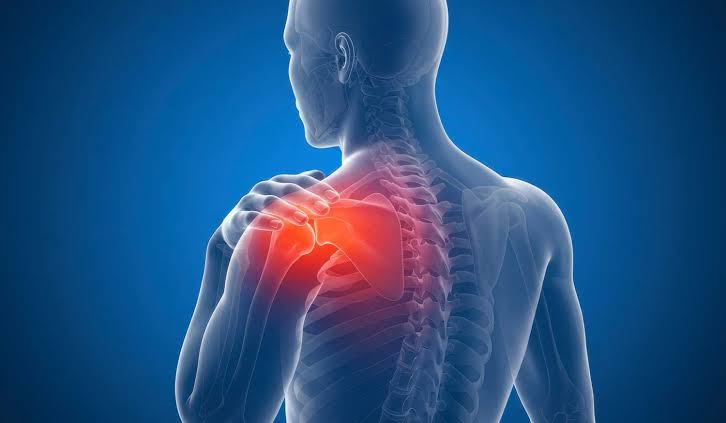
When tissue damage occurs—such as a cut, burn, or bone fracture—specialized nerve endings called nociceptors send electrical signals up the spinal cord to the brain. The brain interprets these signals and produces the sensation of pain to protect the body from further harm.
However, pain does not always disappear once the physical tissue heals. To understand why discomfort can persist for months or even years, we must examine how acute and chronic pain differ in function, timeline, and biological impact.
Defining the Core Difference Between Acute Pain and Chronic Pain
+-----------------------------------------------------------------------------+
|                     SNIPPET DEFINITION & CORE MECHANISM                     |
|                                                                             |
| The primary difference between acute pain and chronic pain lies in duration |
| and underlying biology. Acute pain is a short-term, protective signal     |
| triggered by tissue injury that resolves as the body heals. Chronic pain    |
| persists beyond normal healing time—typically past 3 months—and involves   |
| altered nerve signaling where the nervous system remains hyperactive.        |
+-----------------------------------------------------------------------------+
While duration is the most recognizable distinguishing factor, the physiological mechanisms underlying these two conditions are vast:
+-----------------------------------------------------------------------------+
|                     PAIN TRAJECTORY & NERVOUS SYSTEM                        |
|                                                                             |
| ACUTE PAIN:                                                                 |
| [ Injury/Tissue Damage ] ---> [ Nociceptor Activation ] ---> [ Temporary Pain Signal ] ---> [ Healing & Resolution ]
|                                                                             |
| CHRONIC PAIN:                                                               |
| [ Initial Damage / Stress ] -> [ Persistent Signaling ] --> [ Nervous System Rewiring ] --> [ Sensitized Pain Loop ]
+-----------------------------------------------------------------------------+
- Acute Pain (The Alarm System): Acts as a direct response to mechanical, thermal, or chemical damage. Once the injured tissue heals, the pain signals naturally diminish and stop.
- Chronic Pain (The Malfunctioning Alarm): Continues long after the original injury or illness has resolved. In many cases, the original damaged tissue has healed completely, but the nerves themselves continue to fire distressed signals to the brain.
Comparison Table: Acute Pain vs. Chronic Pain
To help you easily compare these two types of discomfort, the table below outlines their key clinical differences across several essential categories:
| Feature | Acute Pain | Chronic Pain |
| Duration | Short-term (days to weeks; less than 3 months) | Long-term (persists beyond 3 months or normal healing time) |
| Primary Cause | Direct tissue trauma, surgery, infection, or acute injury | Nerve damage, central sensitization, inflammation, or degenerative conditions |
| Biological Purpose | Protective alarm signal to prevent further harm | Serves no protective purpose; acts as a primary disease process |
| Onset | Sudden and predictable | Gradual or persistent following an initial injury |
| Physical Symptoms | Sharp, throbbing, piercing, or aching sensation | Burning, tingling, dull ache, shooting pains, or hyper-sensitivity |
| Associated Impact | Localized swelling, rapid heart rate, temporary anxiety | Fatigue, sleep disruption, depression, anxiety, reduced mobility |
| Primary Treatment Focus | Treating the underlying tissue injury and resting | Calming hyperactive nerves, restoring function, interventional therapy |
What Is Acute Pain? Causes, Symptoms, and Biological Function
Acute pain is the body’s natural response to immediate tissue stress or structural damage. It serves a vital survival function by forcing you to protect the injured area so healing can occur.
Common Examples of Acute Pain
Relatable everyday scenarios that produce acute pain include:
- Surgical Incisions: Pain following an appendectomy, gallbladder removal, or joint procedure.
- Sports Injuries: Sudden sprains, ligament tears, or muscle strains while playing or exercising.
- Accidental Trauma: Fractures, cuts, burns, or bruises sustained at work or home.
- Dental Issues: Toothaches resulting from acute decay, inflammation, or extractions.
Physiological Characteristics
When acute pain occurs, the body activates the sympathetic nervous system. This “fight-or-flight” response often causes a temporary increase in heart rate, elevated blood pressure, rapid breathing, and localized inflammation.
In most cases, as tissue repair progresses over days or weeks, acute pain gradually fades until full comfort and function are restored.
What Is Chronic Pain? When the Warning System Malfunctions
Chronic pain is not simply acute pain that lasts longer. It represents a fundamental shift in how the central and peripheral nervous systems operate—a phenomenon known as neuroplasticity or central sensitization.
When pain signals travel through the spinal cord continuously over weeks and months, the nervous system can adapt by lowering its pain threshold. Nerves become hyper-responsive, sending intense pain signals in response to mild pressure, movement, or normal physiological activity.
+-----------------------------------------------------------------------------+
|                   DEVELOPMENT OF CENTRAL SENSITIZATION                       |
|                                                                             |
| [ Repetitive Nerve Firing ] --> [ Lowered Threshold in Spinal Cord ]        |
|                                         |                                   |
|                                         v                                   |
| [ Brain Perceives Mild Touch as Pain ] <-- [ Amplified Signals Sent to Brain ]
+-----------------------------------------------------------------------------+
Common Relatable Scenarios of Chronic Pain
To understand how chronic pain impacts everyday life, consider these common experiences:
- The Desk-Worker with Chronic Low Back Pain: Sitting at a desk for long hours produces a constant, dull, burning ache in the lower back that persists for months despite normal MRI scans.
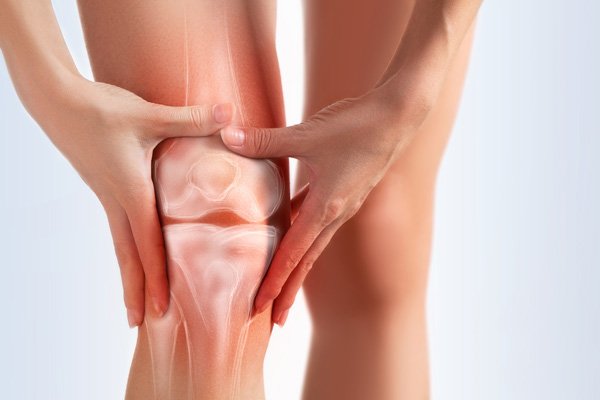
- The Knee Pain Preventing Daily Walks: Degenerative joint changes or post-injury inflammation cause persistent morning stiffness and grinding discomfort that restricts walking and climbing stairs.
- The Migraine Sufferer Missing Work: Frequent, throbbing headaches accompanied by light sensitivity disrupt career and family life multiple times per month.
- Post-Herpetic Neuralgia or Nerve Entrapment: Burning, electric shock-like sensations along a healed surgical scar or post-shingles rash area.

Why Acute Pain Can Transition into Chronic Pain
One of the most critical topics in modern pain medicine is understanding why acute pain sometimes turns into a chronic condition. While many acute injuries heal completely, certain biological and environmental factors increase the risk of pain persistence:
1.1. Initial Injury and Inflammatory Cascade:Tissue damage triggers localized inflammation and nerve firing.
An acute event—such as a herniated disc, surgical incision, or joint trauma—causes immediate inflammation and activates local pain receptors.
2.2. Prolonged Uncontrolled Nociceptive Input:High-intensity pain signals repeatedly hit the spinal cord.
If initial acute pain is inadequately managed or tissue healing is delayed, high-frequency pain signals flood the central nervous system continuously.
3.3. Neuroplastic Rewiring (Central Sensitization):Spinal cord and brain alter structural nerve sensitivity.
The spinal cord adapts to the constant stimulus by amplifying signals. Nerve pathways become hypersensitive, firing even when tissue healing is complete.
4.4. Establishment of Chronic Pain Condition:Pain shifts from a signal of damage to an autonomous condition.
Pain is no longer driven solely by structural damage; it is sustained by hyperactive nerve pathways, leading to persistent discomfort, fatigue, and muscle guarding.
Early intervention during the acute phase is crucial. Addressing intense acute pain promptly helps prevent the nervous system from undergoing the structural changes that lead to chronic pain.
When Should You See a Pain Management Specialist?
Many patients endure persistent pain for months—or even years—before seeking specialized care, often believing that pain is something they simply have to accept. Knowing when to transition from basic home care to specialist care can make a profound difference in your recovery timeline.
You should consider consulting a fellowship-trained interventional pain doctor if:
- Your pain has persisted for longer than 6 to 12 weeks following an injury, illness, or surgery.
- Pain disrupts your ability to sleep soundly, maintain regular employment, or engage in social activities.
- You experience sensory changes such as burning, numbness, tingling, or sharp electric-shock sensations.
- Oral medications, basic rest, or standard physical therapy no longer provide adequate relief.
- You have been told that you need major surgery but wish to explore non-surgical pain relief options first.
Modern Non-Surgical Options for Chronic Pain Relief
Interventional pain medicine offers targeted treatments designed to interrupt pain signals at their precise source, calming hyperactive nerves and restoring function without major surgery.
An experienced pain management specialist evaluates the underlying neurological and structural drivers of your pain to design a personalized treatment plan:
+-----------------------------------------------------------------------------+
|               PRECISION TARGETING IN INTERVENTIONAL MEDICINE               |
|                                                                             |
| [ High-Res Ultrasound / Fluoroscopy ] --> Identifies irritated nerve/joint  |
|                                                |                            |
|                                                v                            |
| [ Targeted Micro-Intervention ] --------> Delivers precise nerve block,     |
|                                           hydrodissection, or PRF energy   |
|                                                |                            |
|                                                v                            |
| [ Calmed Signal Pathways ] -------------> Reduces pain, enables physio     |
+-----------------------------------------------------------------------------+
Advanced Interventional Procedures
Modern non-surgical treatments include:
- Image-Guided Nerve Blocks: Precision injections of local anesthetic and anti-inflammatory medication delivered under live ultrasound or fluoroscopic guidance to interrupt specific pain pathways.
- Pulsed Radiofrequency (PRF): Advanced electrical field energy applied to irritated sensory nerves to modulate abnormal nerve firing without causing tissue destruction.
- Nerve Hydrodissection: Using a high-resolution ultrasound-guided fluid stream to release entrapped peripheral nerves from dense surrounding scar tissue or muscle fascial layers.
- Platelet-Rich Plasma (PRP) Therapy: Concentrated growth factors derived from the patient’s own blood injected into damaged tendons, ligaments, or joint spaces to stimulate biological repair.
Clinical Excellence in Hyderabad: Dr. P. Purohithi and Meraki Pain Management Center
For patients seeking expert evaluation and comprehensive care in Hyderabad, Dr. P. Purohithi provides advanced, compassionate, non-surgical pain management.
Practicing at the Meraki Pain Management Center, located within Apollo Hospital, Kondapur, Hyderabad, Dr. Purohithi brings expertise to diagnosing and treating complex acute and chronic pain conditions.
Holding prestigious qualifications including a Fellowship in Interventional Pain Management (FIPM) and In-plane Ultrasound-Guided Regional Anesthesia (IDRA), Dr. Purohithi focuses on identifying the precise anatomical and neurological sources of pain.
By combining clinical expertise with state-of-the-art procedure suites and high-resolution ultrasound guidance at Apollo Hospital, Kondapur, patients receive individualized care aimed at reducing pain and improving mobility without relying on long-term systemic medications or open surgery.
Practical Action Steps for Managing Pain Today
If you or a loved one are navigating the challenges of persistent discomfort, taking structured steps can help clarify your diagnosis and streamline your path to recovery:
1.1. Track Your Pain Characteristics:Documenting sensory characteristics, timing, and triggers.
Keep a 7-day diary detailing when your pain occurs, what triggers it (e.g., sitting, walking, cold weather), and how it feels (e.g., burning, aching, sharp).
2.2. Gather Past Medical Records:Compile imaging, lab work, and prescription history.
Collect previous X-rays, MRI reports, blood work, and list current or past pain medications to share during your specialist consultation.
3.3. Avoid Aggravating Activities:Refrain from sudden high-impact movements that flare nerves.
While total bed rest can worsen chronic pain, avoid sudden high-impact loading that triggers severe pain flares until evaluated by a specialist.
4.4. Consult an Interventional Pain Specialist:Schedule a targeted image-guided consultation.
Book an evaluation with a specialized interventional pain doctor to discuss diagnostic blocks and non-surgical treatment options tailored to your needs.
Frequently Asked Questions
Is chronic pain always permanent?
No, chronic pain is not always permanent. While it involves complex nerve adaptations, modern interventional therapies, targeted nerve modulation, and physical rehabilitation can significantly reduce pain levels and help retrain hyperactive nervous system pathways.
How do I know if I need a pain management specialist?
If your pain has lasted more than 6 to 12 weeks, does not respond to rest or basic oral medications, or involves burning, tingling, or shooting sensations, consulting a specialized interventional pain doctor is recommended.
Can acute pain turn into chronic pain if left untreated?
Yes. Severe, unmanaged acute pain can cause repetitive high-intensity signaling to the spinal cord, leading to central sensitization and an increased risk of developing a long-term chronic pain condition.
How long does radiofrequency ablation last for chronic pain?
Radiofrequency ablation (RFA) or pulsed radiofrequency (PRF) typically provides significant pain relief lasting between 6 to 18 months or longer, depending on nerve regeneration speed and the specific area treated.
What is the main non-surgical treatment for chronic joint pain?
Non-surgical management for chronic joint pain includes image-guided intra-articular injections, viscosupplementation, platelet-rich plasma (PRP) therapy, and radiofrequency denervation of sensory joint nerves.
Is interventional pain treatment safe for elderly patients?
Yes. Because interventional procedures are minimally invasive and performed under local anesthesia with image guidance, they are generally well-tolerated and often safer for elderly patients than open surgery or long-term high-dose oral painkillers.
How do I book a consultation with Dr. Purohithi at Apollo Hospital, Kondapur?
You can schedule a comprehensive evaluation with Dr. P. Purohithi at Meraki Pain Management Center by calling +91 88856 23283 or visiting https://drpurohithi.com/.

Take the First Step Toward Lasting Relief
Understanding the difference between acute pain and chronic pain is empowering. Pain that persists beyond normal healing time is a recognized medical condition that responds best to targeted, specialized care.
If persistent discomfort is holding you back, expert evaluation is available at Meraki Pain Management Center, Apollo Hospital, Kondapur, Hyderabad.


Leave a Comment