

Table of Contents
What Does a Pain Management Doctor Do? A Patient’s Guide to Non-Surgical Pain Relief
When chronic back pain makes sitting through a workday impossible, or persistent knee discomfort prevents you from taking evening walks, finding clear answers can feel daunting. Many patients exhaust months taking daily painkillers or bouncing between general consultations without a lasting solution. Understanding what does a pain management doctor do opens the door to specialized, precision-guided medical care that addresses the physical root of discomfort without relying on lifelong medication or major open surgery.
An interventional pain doctor is a physician dedicated to evaluating, diagnosing, and treating acute and complex chronic pain conditions. Rather than merely masking symptoms with oral analgesics, these specialists utilize advanced diagnostic mapping and image-guided, minimally invasive procedures to restore mobility and improve quality of life.
+-----------------------------------------------------------------------------+
|                 INTERVENTIONAL PAIN MEDICINE CARE MODEL                     |
|                                                                             |
|  [ Precision Diagnostic Mapping ] ---> [ Targeted Image-Guided Therapy ]    |
|                                                     |                       |
|                                                     v                       |
|  [ Functional Rehabilitation ] <----- [ Non-Surgical Pain Reduction ]       |
+-----------------------------------------------------------------------------+

What Is a Pain Management Specialist?
+-----------------------------------------------------------------------------+
|                     SNIPPET DEFINITION & CORE MECHANISM                     |
|                                                                             |
| A pain management specialist is a fellowship-trained physician specializing  |
| in diagnosing and treating complex spinal, nerve, and joint pain. They use  |
| fluoroscopic or ultrasound image guidance to deliver targeted, non-surgical|
| therapies directly to pain-generating structures, bypassing systemic drugs. |
+-----------------------------------------------------------------------------+
A pain management specialist is a physician who has completed subspecialty fellowship training in pain medicine. They evaluate the entire pain pathway—from peripheral nerve receptors and inflamed joint capsules to central spinal signals—to identify the exact anatomical pain generator and deliver precise, non-surgical treatment.
How Interventional Pain Medicine Differs From Other Treatments
Patients experiencing persistent pain often wonder how an interventional pain specialist fits into the broader healthcare landscape alongside general practitioners, physical therapists, and orthopedic surgeons.
+-----------------------------------------------------------------------------+
|                    TRIAGE OF CHRONIC PAIN MANAGEMENT                        |
|                                                                             |
| [ Primary Care & Pills ] -------> Systemic masking; limited structural focus|
| [ Physical Therapy ] ------------> Essential for biomechanical strengthening|
| [ Interventional Pain Care ] ---> Pinpoints & halts precise pain generator  |
| [ Open Surgery ] ----------------> Necessary for severe structural breakdown|
+-----------------------------------------------------------------------------+
- Systemic Pills vs. Target Injections: General medical management frequently relies on oral NSAIDs or muscle relaxants. While helpful for short-term sprains, continuous pill intake exposes the stomach and kidneys to systemic stress. Interventional pain care delivers targeted micro-doses directly to the source.
- Exercise Resistance vs. Pain Relief: Physical therapy is vital for long-term spinal stability. However, if a nerve root is severely compressed by a disc bulge, standard exercises can provoke intense flare-ups. A pain doctor calms active nerve swelling first, creating a comfortable window for physical rehabilitation.
- Non-Surgical Interventions vs. Major Surgery: Structural surgery aims to fuse bones or remove tissue. Interventional pain medicine fills the critical gap between conservative care and major surgery, using targeted day-care procedures to manage pain without lengthy surgical downtime.
What Does a Pain Management Doctor Do? Step-by-Step Diagnostic & Treatment Roadmap
When evaluating a patient, an interventional pain specialist follows a structured clinical pathway aligned with guidelines from the International Association for the Study of Pain (IASP) and the Indian Society for the Study of Pain (ISSP).
1.1. Comprehensive Diagnostic History & Movement Examination:Detailed medical, postural, and symptom review.
The specialist reviews your medical timeline, pain characteristics, and previous imaging. A physical examination tests nerve reflexes, joint range of motion, muscle strength, and specific movement triggers.
2.2. Precision Image Correlation:High-resolution MRI and dynamic fluoroscopic analysis.
The doctor correlates your physical pain triggers with advanced diagnostic imaging (MRI, CT, or X-rays). This step ensures that reported symptoms match visual evidence of disc bulges, joint wear, or nerve impingement.
3.3. Diagnostic Nerve or Joint Blocks:Targeted micro-dose anesthetic testing.
To confirm the exact anatomical source of pain, the specialist may perform a diagnostic block. Using real-time ultrasound or fluoroscopy guidance, a small amount of local anesthetic is placed precisely near the suspected nerve or joint. Significant temporary pain relief confirms the target structure.
4.4. Precision Therapeutic Intervention:Minimally invasive, image-guided outpatient care.
Once the pain generator is identified, the physician performs a targeted procedure—such as an epidural steroid injection, radiofrequency ablation, or regenerative PRP therapy—in a sterile day-care suite.
5.5. Tailored Rehabilitation & Prevention:Restoring strength, posture, and long-term function.
After resolving acute inflammation, the doctor guides you through customized posture correction, ergonomic adjustments, and targeted core strengthening to maintain long-term spinal stability.
Core Conditions Treated by Pain Management Doctors
Interventional pain specialists evaluate a wide spectrum of acute, chronic, and complex pain conditions affecting the spine, peripheral joints, and nervous system:
| Condition Category | Common Underlying Causes | Primary Interventional Treatments |
| Lumbar & Cervical Disc Disorders | Herniated, bulging, or degenerative discs compressing spinal nerves (Sciatica). | Fluoroscopy-guided Transforaminal Epidural Steroid Injections, Selective Nerve Root Blocks. |
| Facet Joint & Spinal Arthritis | Age-related cartilage wear or postural stress on posterior spinal joints. | Lumbar/Cervical Facet Joint Injections, Radiofrequency Ablation (RFA). |
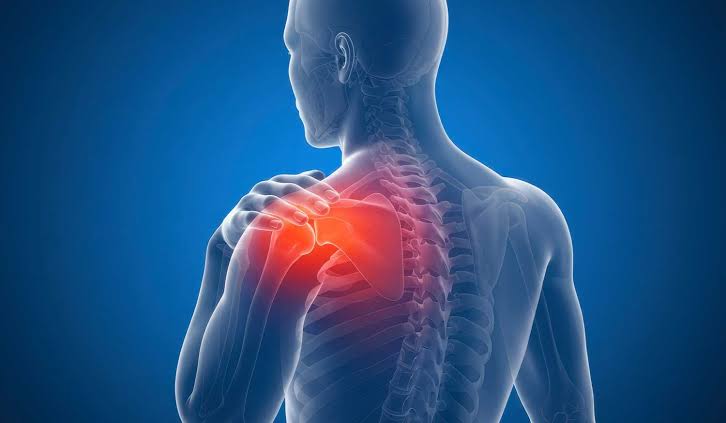
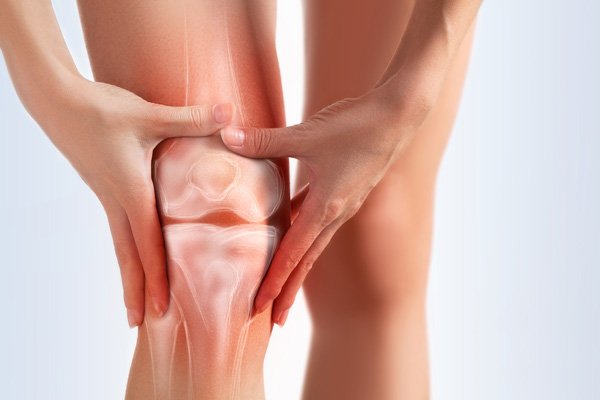
| Osteoarthritis & Joint Pain | Degenerative cartilage loss in knees, shoulders, or hips. | Ultrasound-guided Intra-articular Injections, Genicular Nerve RFA, Regenerative PRP Therapy. |
| Neuropathic Pain & Neuralgias | Irritated or damaged nerve pathways (Trigeminal Neuralgia, Post-herpetic Neuralgia). | Sympathetic Nerve Blocks, Targeted Neuromodulation, Peripheral Nerve Pulsed RFA. |
| Chronic Headaches & Neck Strain | Cervicogenic headaches originating from upper cervical facet joints or occipital nerves. | Greater Occipital Nerve Blocks, Cervical Medial Branch Blocks. |

Who Benefits Most from Seeing a Pain Doctor?
Consulting a pain management specialist is appropriate for individuals facing persistent physical limitations that impact daily work, sleep, or family life:
- Desk Workers with Chronic Back or Neck Strain: IT professionals in HITEC City or Madhapur who sit for long shifts and experience persistent lumbar aching or radiating arm/leg discomfort.
- Seniors Experiencing Joint Wear: Older adults in Hyderabad struggling with knee stiffness or degenerative spinal arthritis who wish to remain active without heavy medication burdens.
- Patients Seeking Non-Surgical Spine Relief: Individuals diagnosed with bulging discs or sciatica who have not found lasting relief through basic rest and medication but want to explore non-surgical options before considering surgery.
- Individuals Experiencing Side Effects from Pain Pills: Patients experiencing stomach irritation or kidney strain from long-term NSAID use who need a safer, non-pharmaceutical approach.
What to Expect During Your Treatment Journey
Fear of the unknown often keeps patients from seeking specialized pain care. Knowing what happens during an interventional procedure helps alleviate anxiety:
+-----------------------------------------------------------------------------+
|                 DAY-CARE PROCEDURAL TIMELINE & PATIENT EXPERIENCE            |
|                                                                             |
|  [ Arrival & Local Numbing ] -------> Safe, comfortable sterile suite       |
|  [ Real-Time Image Guidance ] ------> High-definition C-arm / Ultrasound    |
|  [ 15–30 Min Procedure ] -----------> Precision targeted therapy            |
|  [ Brief Recovery & Discharge ] ----> Return home the same day              |
+-----------------------------------------------------------------------------+
- Before the Procedure: You will receive clear preparation instructions. Most day-care procedures require minimal fasting and allow you to take routine medications as advised by your physician.
- During the Procedure: Treatments are performed in a sterile outpatient suite. Local anesthesia is applied to numb the skin, ensuring minimal discomfort. The specialist uses real-time C-arm fluoroscopy or high-resolution ultrasound to position needles with millimeter accuracy.
- After the Procedure: After a brief 30-to-60-minute monitoring period in a comfortable recovery room, most patients return home the same day and can resume light daily activities within 24 to 48 hours.
When Should You Consider Seeing an Interventional Pain Specialist?
If you have been managing chronic pain for more than 6 weeks with limited relief from medication or physiotherapy, a consultation with a fellowship-trained interventional pain specialist is the logical next step.
Dr. P. Purohithi at Apollo Hospital, Kondapur, Hyderabad, specializes in precisely diagnosing and treating the source of your pain using image-guided, minimally invasive techniques—without defaulting to surgery.
Holding prestigious qualifications including a Fellowship in Interventional Pain Management (FIPM) and In-plane Ultrasound-Guided Regional Anesthesia (IDRA), Dr. Purohithi provides comprehensive, evidence-based pain care. At Meraki Pain Management Center, housed within Apollo Hospital, Kondapur, patients benefit from world-class diagnostic infrastructure, advanced fluoroscopic suites, and personalized recovery plans.
Modern Non-Surgical Options Offered in Interventional Clinics
To help you understand available non-surgical treatments, here is an overview of advanced procedures performed by interventional pain specialists:
| Procedure Name | Target Area | Mechanism of Action | Expected Relief Duration |
| Transforaminal Epidural Injection | Irritated spinal nerve roots | Delivers concentrated anti-inflammatory micro-doses directly to compressed nerve segments. | Typically 3 to 12 months; creates a window for active rehab. |
| Radiofrequency Ablation (RFA) | Sensory nerve branches (Medial / Genicular) | Applies targeted thermal energy to interrupt pain signals sent from arthritic joints to the brain. | Typically 6 to 18 months or longer; fully repeatable. |
| Platelet-Rich Plasma (PRP) Therapy | Weakened ligaments, tendons, cartilage | Injects concentrated autologous growth factors to promote natural tissue healing. | Progressive, long-term functional improvement. |
| Stellate Ganglion / Lumbar Sympathetic Block | Autonomic nervous system pathways | Regulates abnormal sympathetic nerve signals in Complex Regional Pain Syndrome (CRPS) or vascular pain. | Variable; often delivered in a series for cumulative relief. |
Frequently Asked Questions
What is the difference between a pain management doctor and an orthopedic surgeon?
A pain management doctor specializes in non-surgical procedures, image-guided injections, and comprehensive pain therapies to treat nerve, disc, and joint pain. An orthopedic surgeon focuses primarily on surgical structural repairs, joint replacements, and bone reconstructions.
Is radiofrequency ablation safe for chronic back pain?
Yes. Radiofrequency ablation (RFA) is a well-established, safe, and minimally invasive procedure when performed by a qualified pain management specialist using real-time fluoroscopic C-arm guidance.
How do I know if I need a pain management specialist?
If your pain has persisted for over 4 to 6 weeks, interferes with sleep or work, requires daily pain medication, or radiates down your arms or legs (sciatica), consulting an interventional pain specialist is recommended.
How much does an nerve block cost in Hyderabad?
The cost of a precision fluoroscopy-guided nerve block or epidural injection in Hyderabad depends on the specific joint or spine segment involved and procedural day-care requirements. Detailed cost estimates are provided during consultation at Meraki Pain Management Center.
Are interventional pain management injections painful?
Most patients experience minimal discomfort. Procedures are performed under local anesthesia to numb the skin, while precision ultrasound or fluoroscopy guidance ensures speed, safety, and efficiency.
Can interventional treatment help me avoid knee replacement surgery?
For patients with mild-to-moderate knee osteoarthritis or those who are not candidates for major surgery, procedures like Genicular Nerve Radiofrequency Ablation (RFA) or PRP therapy can significantly reduce pain and improve joint function, helping defer or avoid major surgery.
How do I schedule a consultation with Dr. Purohithi at Apollo Hospital, Kondapur?
You can book a thorough diagnostic consultation with Dr. P. Purohithi by calling +91 88856 23283 or scheduling online through https://drpurohithi.com/.

Take the First Step Toward Non-Surgical Pain Relief
Chronic pain does not have to dictate your life, work productivity, or daily comfort. Understanding what a pain management doctor does allows you to explore effective, non-surgical treatment options tailored to your needs.
If you are considering an interventional pain evaluation in Hyderabad, Dr. P. Purohithi at Apollo Hospital, Kondapur, offers a thorough diagnostic consultation before any procedure is recommended.


Leave a Comment