
Table of Contents
Why Is My Wound Healed But Still Hurts? Understanding Scar Pain and Nerve Relief
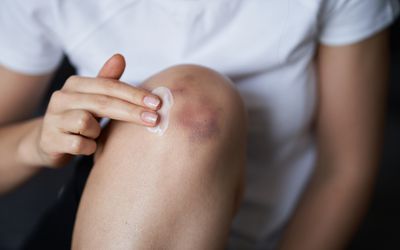
It is deeply frustrating when a surgeon or doctor examines your surgical incision, injury site, or healed burn, points to smooth skin, and says, “The wound is completely closed.” Yet, every time your clothes rub against the area, or whenever you try to return to daily activities, a sharp, burning, or throbbing ache shoots through your body. You are left asking yourself: Why is my wound healed but still hurts?
If you are experiencing persistent pain long after the surface skin has repaired itself, your distress is entirely real. Surface healing does not always mean deep nerve recovery is complete.
You Are Not Alone — And You Are Not Imagining It
Living with persistent pain beneath a fully closed scar is far more common than most patients realize. Studies published by the International Association for the Study of Pain (IASP) suggest that chronic post-surgical and post-traumatic pain affects a significant percentage of patients worldwide. Across India, thousands of people silently endure persistent pain following routine hernia repairs, orthopedic surgeries, gallbladder procedures, or accidental lacerations.
Many patients suffer in silence because standard medical checkups focus primarily on wound closure and infection prevention. When an X-ray or physical examination shows no open wound, patients are often told that “everything looks fine” or advised to “give it time” and “learn to live with it.”
+-----------------------------------------------------------------------------+
|                     SNIPPET DEFINITION & CORE MECHANISM                     |
|                                                                             |
| Post-healing scar pain occurs when microscopic cutaneous nerve endings or  |
| underlying peripheral nerves become trapped, inflamed, or damaged within   |
| dense collagen scar tissue during the body's natural healing phase.        |
+-----------------------------------------------------------------------------+
When deep nerve signals remain hyperactive, standard oral pain medications or basic topical creams often fail to provide lasting relief because they do not address the precise localized nerve firing beneath the skin.
Why Your Pain May Not Be Responding to Standard Treatment
When a skin wound heals, the body deposits dense collagen fibers to restore tissue strength. However, this natural repair process can create mechanical and neurological complications deep beneath the surface:
+-----------------------------------------------------------------------------+
|                MECHANISMS OF POST-HEALING PAIN GENERATION                    |
|                                                                             |
| [ Surface Skin Layer ] -----> Smooth, closed incision (Appears fully healed)|
| [ Deep Collagen Scar ] ----> Tightly compresses sensory nerve fibers        |
| [ Irritated Nerve Endings ] -> Fires continuous burning or electric signals |
| [ Central Sensitization ] -> Brain perceives normal touch as severe pain    |
+-----------------------------------------------------------------------------+
- Nerve Entrapment in Scar Tissue: Microscopic sensory nerve branches pass through skin and muscle layers. As dense fibrous scar tissue forms, it can constrict these delicate nerve fibers, creating a focal point of irritation every time the tissue stretches.
- Neuroma Formation: If a tiny nerve fiber was cut during a surgical incision or deep laceration, it may attempt to regenerate, forming a hyper-sensitive cluster of nerve tissue known as a neuroma.
- Central Sensitization: Continuous pain signals from an inflamed nerve can alter how the spinal cord and brain process touch, causing light pressure or clothing contact to be misperceived as intense pain (allodynia).
- Limitations of Systemic Medication: Standard oral painkillers circulate throughout the bloodstream to dull overall perception, but they rarely alter the mechanical compression of a trapped peripheral nerve.
What Is Actually Causing Your Pain? The Power of Precision Assessment
Understanding why a healed wound continues to hurt requires looking beyond static physical exams. An interventional pain specialist uses targeted diagnostic evaluations to map the exact neurological drivers beneath the surface:
+-----------------------------------------------------------------------------+
|                   STATIC DIAGNOSTICS vs. DYNAMIC MAPPING                    |
|                                                                             |
| [ Visual Inspection ] -------> Inspects surface closure; misses deep nerves  |
| [ High-Res Ultrasound ] -----> Visualizes soft tissue, scars & nerves live   |
| [ Diagnostic Nerve Block ] --> Temporarily numbs suspect nerve to confirm   |
+-----------------------------------------------------------------------------+
High-resolution musculoskeletal ultrasound allows doctors to view soft tissue layers, identify abnormal collagen density, and trace tiny nerve pathways in real time. Combining dynamic ultrasound with a diagnostic nerve block helps confirm whether a specific nerve is generating your pain.
Non-Surgical Interventional Options for Post-Healing Pain
Modern interventional pain medicine provides targeted, minimally invasive options to relieve nerve irritation beneath healed scars without requiring additional major surgery:
| Interventional Procedure | Primary Clinical Target | How It Works | Expected Outcome |
| Ultrasound-Guided Hydrodissection | Entrapped scar nerves | Delivers a gentle fluid stream (saline/local anesthetic) to separate dense scar tissue from trapped nerves. | Releases physical nerve compression, restoring smooth tissue movement. |
| Pulsed Radiofrequency (PRF) | Hyperactive sensory nerves | Applies targeted electrical field energy to calm abnormal nerve firing without destroying nerve structure. | Provides long-term reduction in burning and shooting pain signals. |
| Diagnostic & Therapeutic Peripheral Nerve Blocks | Specific cutaneous nerves | Delivers a precise micro-dose of local anesthetic and anti-inflammatory medication directly to the nerve. | Interrupts pain loops, calms local inflammation, and confirms the pain source. |
| Regenerative Injections (PRP) | Chronically inflamed soft tissue | Uses concentrated platelet-rich plasma to encourage healthy micro-vascular repair around damaged nerves. | Promotes tissue remodeling and reduces long-term neural sensitivity. |
What to Expect If You See an Interventional Pain Specialist
Taking the step to consult a pain specialist can feel overwhelming if you have already seen multiple doctors. Knowing what happens during an evaluation can help put you at ease:
1.1. Comprehensive Clinical Evaluation:Detailed review of your injury, surgery, and pain history.
Your specialist conducts a thorough examination of your pain history, surgical notes, and daily triggers. They map out the precise sensory boundaries of your discomfort.
2.2. Dynamic Ultrasound Examination:Visualising soft tissues and nerve pathways dynamically.
Using high-resolution ultrasound, the physician evaluates your scar tissue layers, checking for nerve swelling, scar tethering, or neuromas.
3.3. Target-Specific Diagnostic Mapping:Testing the suspect nerve with high diagnostic precision.
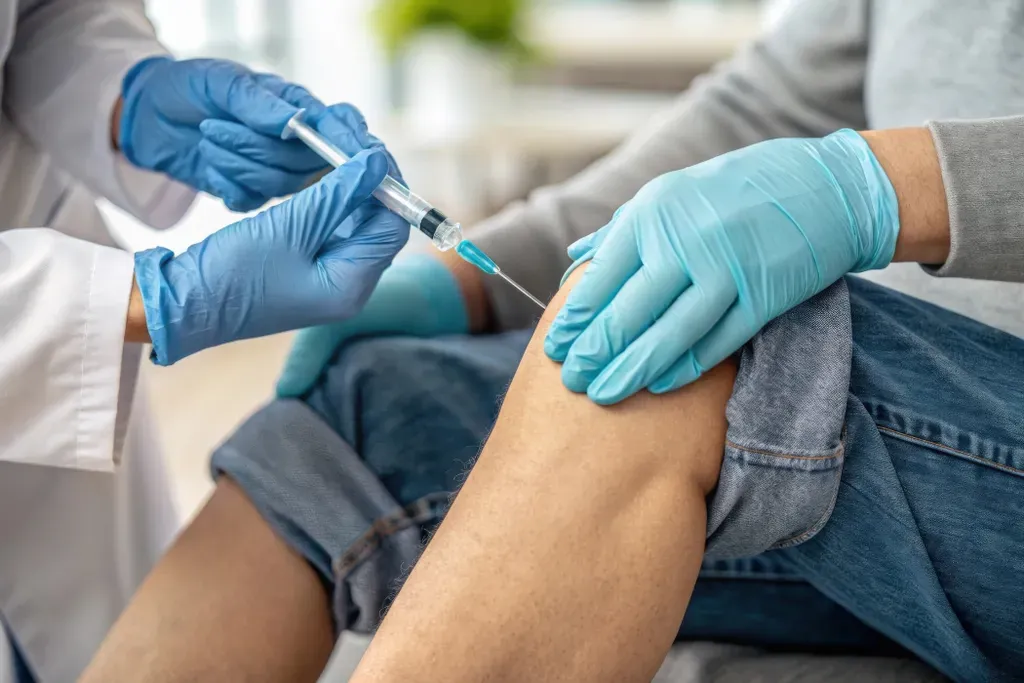
A micro-dose of local anesthetic is guided precisely to the target nerve under live ultrasound visualization. If your pain decreases significantly within minutes, the exact source is confirmed.
4.4. Personalized Non-Surgical Treatment Plan:Tailoring a non-surgical treatment strategy.
Based on your response, your specialist presents targeted non-surgical options—such as hydrodissection or pulsed radiofrequency—to provide long-term relief.
5.5. Rehabilitation and Progressive Follow-Up:Guided physical restoration and follow-up care.
Once nerve pain calms, gentle desensitization techniques and targeted physiotherapy help restore normal sensation and full range of motion.
What You Should Do Before Considering Revision Surgery
When scar pain persists, patients are sometimes advised to consider surgical scar revision or nerve resection. However, undergoing another surgery introduces new incision lines, which can sometimes lead to additional scar tissue formation and renewed nerve irritation.
Seeking a specialist second opinion from a fellowship-trained interventional pain doctor allows you to explore minimally invasive, image-guided solutions first. Calming nerve irritation non-surgically is often an effective way to relieve pain while preserving surrounding healthy tissue.
When Should You Consider Seeing an Interventional Pain Specialist?
If you have been managing chronic scar pain for more than 6 weeks with limited relief from medication or physiotherapy, a consultation with a fellowship-trained interventional pain specialist is the logical next step.
Dr. P. Purohithi at Apollo Hospital, Kondapur, Hyderabad, specializes in precisely diagnosing and treating the source of your pain using image-guided, minimally invasive techniques—without defaulting to surgery.
Holding prestigious qualifications including a Fellowship in Interventional Pain Management (FIPM) and In-plane Ultrasound-Guided Regional Anesthesia (IDRA), Dr. Purohithi brings expertise to post-surgical and neuropathic pain conditions. At Meraki Pain Management Center, located within Apollo Hospital, Kondapur, patients receive care in state-of-the-art procedure suites supported by high-resolution diagnostic imaging.
Practical Steps to Take Right Now
If you are currently struggling with persistent pain beneath a healed wound or scar, follow these actionable steps to prepare for your evaluation:
1.1. Keep a Detailed Pain Log:Documenting pain triggers and sensory characteristics.
Note down specific triggers—such as clothing touch, weather changes, or specific movements—and record whether your pain feels like burning, electric shocks, or a deep ache.
2.2. Avoid Aggressive Un-guided Massage:Avoiding aggressive home therapies on hyper-sensitive skin.
Refrain from forcefully rubbing dense scar tissue if it causes sharp or radiating pain, as this can further irritate compressed nerve fibers.
3.3. Organize Your Medical Records:Gathering surgical notes and imaging reports.
Compile past surgical summaries, discharge letters, and imaging reports to help your specialist review your anatomical history.
4.4. Schedule an Interventional Consultation:Seeking specialized interventional evaluation.
Book an image-guided diagnostic assessment with a pain management specialist to locate and treat the exact nerve source.
Frequently Asked Questions
Can scar tissue compress nerves years after a surgery?
Yes. As scar tissue matures over months or years, it can contract and tighten, gradually compressing nearby sensory nerves and causing delayed-onset pain.
How do I know if I need a pain management specialist?
If your post-surgical or post-wound pain lingers for more than 4 to 6 weeks, feels like burning or electric shocks, or fails to improve with standard painkillers, consulting a pain specialist is recommended.
Is ultrasound-guided nerve hydrodissection painful?
Hydrodissection is performed under local anesthesia. Patients usually feel only a tiny pinch as the skin is numbed, followed by a sensation of mild pressure as the fluid releases the trapped nerve.
Can nerve blocks replace additional scar revision surgery?
In many cases, targeted nerve blocks, hydrodissection, or radiofrequency treatments can successfully calm nerve irritation and relieve pain, helping patients avoid additional surgery.
How long does relief from pulsed radiofrequency (PRF) last?
Pulsed radiofrequency typically provides significant pain relief lasting between 6 to 18 months or longer, giving nerve tissue ample time to desensitize and recover.
How much does an image-guided nerve injection cost in Hyderabad?
Procedural costs depend on the target nerve location, guidance requirements, and specific therapeutic interventions used. Detailed estimates are provided following your diagnostic consultation at Meraki Pain Management Center.
How do I book a consultation with Dr. Purohithi at Apollo Hospital, Kondapur?
You can schedule a diagnostic consultation with Dr. P. Purohithi by calling +91 88856 23283 or visiting https://drpurohithi.com/.
You Deserve Clear Answers and Lasting Relief
You do not have to accept persistent scar pain as a permanent part of your life. Understanding why a healed wound still hurts is the first step toward finding a solution that addresses the true source of your discomfort.
Dr. P. Purohithi at Apollo Hospital, Kondapur, Hyderabad, offers thorough diagnostic assessments and clear, honest treatment plans tailored to your needs.

Leave a Comment