
Table of Contents
Migraines Vs Cervicogenic Headaches: Understanding the Differences and Finding Lasting Relief
Understanding the clinical distinctions between Migraines Vs Cervicogenic Headaches is often the single most critical step for individuals who experience recurring, debilitating head pain. Many patients spend months—or even years—taking heavy daily migraine medications, only to find that their throbbing head pain, neck stiffness, and temple aches never truly go away.
For busy desk workers, IT professionals, and active adults across Hyderabad, distinguishing between a primary neurological headache and a neck-induced secondary headache can feel confusing. When poor posture, cervical joint wear, or pinched upper neck nerves mimic classic migraine symptoms, standard headache pills fail to address the underlying structural problem in the cervical spine.
By exploring the root causes, symptom triggers, and anatomical pathways behind both conditions, patients can move beyond temporary fixes. Consulting a pain management specialist Hyderabad offers access to precise diagnostic evaluations and targeted non-surgical pain relief options that quiet hyperactive nerves and restore long-term comfort.
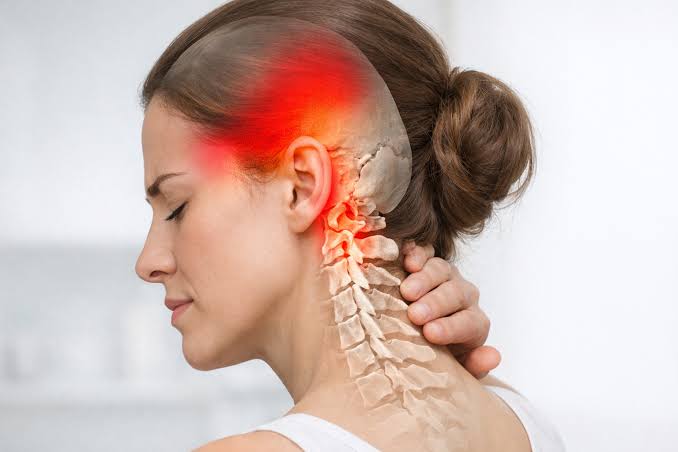
What Are Migraines Vs Cervicogenic Headaches?
Migraines are primary neurovascular brain disorders causing throbbing, one-sided head pain often accompanied by nausea and light sensitivity. In contrast, cervicogenic headaches are secondary musculoskeletal conditions where structural irritation in the upper cervical spine, joints, or occipital nerves refers pain upward into the head, temples, and behind the eyes.
According to clinical research supported by the International Association for the Study of Pain (IASP) and the Indian Society for the Study of Pain (ISSP), misdiagnosing a cervicogenic headache as a primary migraine is remarkably common. Because the upper cervical spinal nerves converge with the trigeminal nerve system in the brainstem (the trigeminocervical nucleus), neck pain and facial/head pain frequently overlap.
How Is Interventional Pain Management Different for Cervicogenic Headaches?
Effectively resolving persistent head and neck pain requires understanding how interventional pain medicine differs from standard pharmaceutical management and surgical approaches.
Standard Pharmacological Therapy
Primary care and neurological management for chronic headaches typically relies on triptans, beta-blockers, anticonvulsants, or daily over-the-counter pain pills. While highly effective for true neurovascular migraines, these medications do not repair inflamed cervical facet joints, relieve compressed occipital nerves, or correct neck muscle tightness. Overusing acute headache medications can also trigger rebound “medication overuse headaches.”
Traditional Surgical Interventions
Major spine surgery is rarely indicated for headache management unless severe cervical disc herniations cause progressive spinal cord compression or major arm weakness. Relying on major surgical operations for head pain is generally unnecessary and carries significant operational risks and prolonged recovery times.
The Interventional Specialty Approach
An interventional pain doctor focuses on identifying the precise anatomical structure in the neck that is referring pain to the head. Utilizing high-resolution ultrasound or live fluoroscopic (X-ray) guidance, specialists perform targeted diagnostic blocks on the greater occipital nerve or upper cervical facet joints (C1–C3). Once the pain generator is confirmed, non-surgical therapies—such as nerve blocks, trigger point injections, or radiofrequency ablation—can interrupt pain signals directly at their source without long-term drug dependence.

How an Interventional Diagnostic & Treatment Workflow Works
When chronic head pain resists routine medical care, interventional specialists follow a precise, step-by-step clinical workflow to isolate and treat the pain source.
1.Step 1: Clinical Examination & Cervical Imaging Review: Mapping pain pathways and cervical neck mobility.
A thorough physical evaluation assesses neck range of motion, upper cervical spine tenderness, and posture. High-resolution MRI or X-ray scans are reviewed to evaluate cervical facet joints and spinal disc alignment.
2.Step 2: Patient Positioning & Local Anesthesia: Ensuring complete patient comfort in an outpatient setting.
In a dedicated procedure suite, the patient rests comfortably. The skin over the upper neck or base of the skull is sterilized, and a local numbing agent is applied to ensure complete comfort.
3.Step 3: Real-Time Precision Image Guidance: Sub-millimeter precision using ultrasound or fluoroscopy.
Using live fluoroscopy or musculoskeletal ultrasound, the specialist guides a micro-fine needle directly adjacent to the greater occipital nerve or targeted upper cervical facet joint (medial branch nerve).
4.Step 4: Diagnostic Block or Radiofrequency Ablation: Delivering localized medication or thermal modulation.
A small dose of local anesthetic and anti-inflammatory medication is injected to block pain signals. If temporary relief confirms the exact nerve source, radiofrequency ablation may be used to provide extended relief.
5.Step 5: Immediate Evaluation & Post-Care Guidance: Evaluating immediate relief and planning physical rehabilitation.
The patient is evaluated immediately post-procedure for pain reduction. Following a brief 20-to-30-minute observation period, the patient returns home with a customized physical therapy plan.
Migraines Vs Cervicogenic Headaches: Detailed Comparison
Distinguishing between Migraines Vs Cervicogenic Headaches relies on specific clinical features, pain locations, and physical triggers.
Comparison Table
| Clinical Feature | Migraine Headache | Cervicogenic Headache |
| Primary Origin | Central nervous system / Neurovascular disorder | Upper cervical spine (joints, discs, or neck nerves) |
| Pain Nature | Throbbing, pulsating, moderate to severe | Steady, dull ache, tight pressure, non-throbbing |
| Location | Typically one-sided (can shift sides between attacks) | One-sided or bilateral, starting at base of skull radiating to forehead/eye |
| Neck Movement Influence | Neck movement does not directly trigger pain onset | Triggered or worsened by specific neck movements or prolonged head postures |
| Associated Symptoms | Nausea, vomiting, photophobia (light), phonophobia (sound), aura | Neck stiffness, restricted neck rotation, shoulder/scapular tenderness |
| Response to Triptans | Frequently effective during acute onset | Minimal to no response |
Who Is Suitable for Interventional Cervicogenic Headache Treatments?
Identifying candidacy early helps patients avoid years of unnecessary daily medication and chronic head discomfort.
You May Be a Candidate If:
- Your head pain begins at the base of your skull or upper neck and radiates forward over your head to your temple or behind one eye.
- Pressing on the upper neck muscles or turning your head triggers or intensifies your headache.
- Standard migraine medications (like triptans or daily preventatives) have failed to provide lasting relief.
- You spend long hours at a desk, computer screen, or driving, and notice your headaches worsen with poor posture (“forward head posture”).
- You want a targeted, non-surgical pain relief strategy that avoids daily medication side effects like drowsiness or stomach irritation.
What to Expect: Before, During, and After Treatment
Knowing what occurs during an image-guided procedure reduces anxiety and prepares you for a smooth recovery.
Before the Procedure
Your specialist will review your full headache history, physical exam findings, and cervical spine imaging. Clear pre-procedure instructions will be provided regarding fasting and temporary adjustments to any blood-thinning medications.
During the Procedure
- Comfortable Setup: Performed on an outpatient basis under sterile conditions, the procedure takes only 15 to 20 minutes.
- Minimal Discomfort: Local anesthesia numbs the skin and superficial tissues, making needle placement well-tolerated.
- Live Image Guidance: Real-time ultrasound or fluoroscopy ensures the needle stays precisely on target, away from vital blood vessels or sensitive spinal structures.
After the Procedure
- Same-Day Return Home: After a brief 20-to-30-minute recovery check, you can safely return home.
- Immediate Pain Relief: If an occipital nerve block or cervical medial branch block is performed, significant pain relief is often felt within minutes as the local anesthetic numbs the hyperactive nerve.
- Long-Term Rehabilitation: Resolving pain opens a vital window to engage in physical therapy, posture correction, and ergonomic adjustments to keep neck muscles balanced.
When Should You Consider Seeing an Interventional Pain Specialist in Hyderabad?
If you have been managing chronic head and neck pain for more than 6 weeks with limited relief from medication or physiotherapy, a consultation with a fellowship-trained interventional pain specialist is the logical next step. Dr. P. Purohithi at Apollo Hospital, Kondapur, Hyderabad, specializes in precisely diagnosing and treating the source of your pain using image-guided, minimally invasive techniques—without defaulting to surgery.
Holding elite international qualifications including FIPM (Fellowship in Interventional Pain Management) and IDRA, Dr. Purohithi serves as the lead specialist at Meraki Pain Management Center. By utilizing real-time ultrasound and fluoroscopic guidance for occipital nerve blocks, cervical facet injections, and radiofrequency ablation, Dr. Purohithi creates individualized treatment plans designed to break the cycle of chronic head pain and restore daily quality of life.
When searching for a trusted pain clinic Hyderabad residents rely on, receiving an accurate diagnosis between migraines and cervical neck pain is the key to lasting recovery.
Frequently Asked Questions
Can you have both a migraine and a cervicogenic headache at the same time?
Yes. This condition is known as a “mixed headache” or co-existing headache disorder. Muscle tightness and upper neck nerve irritation can act as a physical trigger for underlying migraine attacks, making a dual evaluation essential.
How do I know if my headache is coming from my neck?
If your head pain routinely starts at the base of your skull, worsens when turning your head, or gets triggered by sitting at a desk with poor posture, there is a high likelihood your pain has a cervicogenic (neck-related) component.
Is an occipital nerve block painful?
No. An occipital nerve block is performed using a micro-fine needle after numbing the skin with local anesthetic. Most patients report feeling only a brief pinch or mild pressure at the base of the skull.
How long does relief from an interventional headache procedure last?
A diagnostic nerve block provides relief for several hours to weeks. If followed by radiofrequency ablation (RFA) or a structured physical therapy program, relief can typically last for 6 to 18 months or longer.
How do I know if I need a pain specialist Kondapur?
If you suffer from frequent headaches that interfere with work, resist standard pain medications, or stem from neck stiffness, an interventional pain specialist can conduct precision image-guided evaluations to identify the exact cause.
Can poor desk posture cause cervicogenic headaches?
Yes. “Forward head posture” places immense mechanical strain on the upper cervical spine joints (C1–C3) and suboccipital muscles, compressing underlying occipital nerves and referring sharp pain upward into the head.
Are nerve blocks for headaches safe?
Yes. When performed by a fellowship-trained interventional physician using real-time ultrasound or fluoroscopic guidance, nerve blocks are exceptionally safe outpatient procedures with minimal risk.
How can I book an appointment with Dr. P. Purohithi at Meraki Pain Management Center?
You can schedule a consultation with Dr. P. Purohithi at Meraki Pain Management Center, located within Apollo Hospital, Kondapur, Hyderabad, by calling +91 88856 23283 or booking online via the official website.

Take the First Step Toward Living Without Constant Head Pain
Debilitating head and neck pain should not prevent you from working comfortably, spending time with family, or enjoying daily life. Understanding the difference between Migraines Vs Cervicogenic Headaches opens the door to targeted, non-surgical treatments that treat the true root of your pain.
If you are seeking expert non-surgical headache relief in Hyderabad, Dr. P. Purohithi at Meraki Pain Management Center (Apollo Hospital, Kondapur) offers a thorough diagnostic consultation before any procedure is recommended.


Leave a Comment