
Table of Contents
Painkillers vs Injections: What Is the Difference?
When living with persistent joint stiffness, knee degeneration, or radiating spinal pain, understanding painkillers vs injections: what is the difference becomes vital to choosing the safest path toward long-term recovery. Many individuals struggling with daily pain find themselves caught in an exhausting routine of taking oral pain tablets every few hours just to get through a workday.
In vibrant urban centers like Hyderabad, desk workers, busy professionals, and seniors frequently endure chronic musculoskeletal distress. While oral tablets temporarily dull systemic pain signals, they rarely address the specific anatomic source of tissue inflammation or nerve compression.
Exploring how modern interventional care compares to conventional oral medication empowers you to seek precise diagnostic evaluations and targeted non-surgical pain relief, avoiding long-term medication side effects while restoring physical function.
What Is the Core Distinction Between Oral Tablets and Targeted Injections?
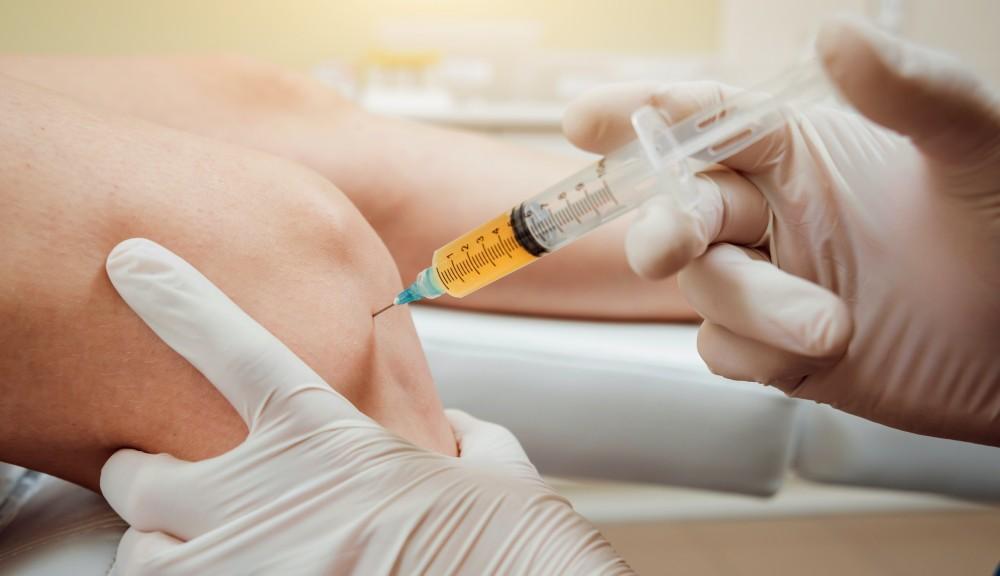
The primary difference in painkillers vs injections: what is the difference lies in their delivery mechanism and scope. Oral painkillers travel through your bloodstream, affecting your entire body to temporarily mute brain pain signals. Image-guided therapeutic injections deliver concentrated anti-inflammatory or healing agents directly to the precise joint, tendon, or nerve causing pain, minimizing systemic side effects.
According to global guidelines from the International Association for the Study of Pain (IASP), managing chronic pain effectively requires targeting the specific pain generator whenever possible. While oral medications circulate universally, targeted interventional therapies concentrate therapeutic action precisely where structural damage or nerve irritation exists.
How Is Interventional Pain Management Different from Standard Care?
When persistent pain disrupts daily activity, patients often struggle to navigate between temporary pill prescriptions and the fear of invasive surgical operations. Interventional pain medicine bridges this gap by offering precision-guided, minimally invasive alternatives.
Standard Conservative Oral Care
Standard care often begins with over-the-counter or prescription oral analgesics, nonsteroidal anti-inflammatory drugs (NSAIDs), muscle relaxants, and neuropathic pain tablets. While useful for acute flares, long-term oral medication use distributes active compounds throughout the stomach, liver, kidneys, and circulatory system. Over time, this systemic exposure can lead to gastric ulcers, elevated blood pressure, kidney strain, or morning drowsiness without repairing damaged cartilage or freeing trapped spinal nerves.
Traditional Surgical Interventions
When oral medications no longer control severe pain, patients are sometimes told that major surgical procedures—such as joint replacements or spinal fusions—are the only remaining options. Open surgery involves hospital stays, general anesthesia, structural disruption, and lengthy rehabilitation, carrying risks like infection, scarring, or persistent post-surgical pain.
The Interventional Pain Specialty
An interventional pain doctor utilizes advanced imaging modalities, such as high-resolution ultrasound and fluoroscopy (C-arm X-ray), to visualize deep anatomical structures in real time. Using precise pinhole techniques, specialists administer targeted procedures—such as epidural steroid injections, joint viscosupplementation, platelet-rich plasma (PRP) therapy, or nerve blocks—directly into the damaged area. This approach calms hyperactive nerve pathways and promotes tissue healing directly at the source, offering robust pain relief without relying on daily oral pills or open surgery.
How Image-Guided Targeted Injections Work: A Step-by-Step Clinical Protocol
Understanding how targeted interventional procedures are performed demonstrates why precision imaging is critical for safe, effective pain management.
1.Step 1: Clinical Mapping & Neuromuscular Assessment:Identifying exact structural or neurological pain sources.
A pain management specialist conducts a thorough examination, evaluating joint mechanics, range of motion, and neurological reflexes. Reviewing MRI or CT scans helps isolate the specific structure—such as a facet joint, disc herniation, or inflamed bursa—responsible for discomfort.
2.Step 2: Real-Time High-Resolution Imaging Setup:Visualizing deep anatomy in real time without radiation or discomfort.
The patient is positioned comfortably in a modern procedure suite. Real-time ultrasound or fluoroscopic guidance is aligned to visualize bone contours, soft tissues, blood vessels, and targeted nerve channels with pinpoint precision.
3.Step 3: Gentle Local Anesthetic Numbing:Ensuring total patient comfort throughout the procedure.
A mild local anesthetic is applied to thoroughly numb the skin and superficial tissue layer over the target area. This ensures that the placement of the treatment cannula is virtually painless.
4.Step 4: Image-Guided Delivery of Therapeutic Formulations:Placing therapeutic agents directly into the inflamed space.
Under direct visual guidance, a micro-cannula is navigated to the exact pain site. Targeted agents—such as concentrated anti-inflammatory formulations, hyaluronic acid, or regenerative platelet-rich plasma (PRP)—are infused directly around the affected nerve or joint space.
5.Step 5: Functional Rehabilitation & Long-Term Management:Rebuilding strength, flexibility, and physical function.
With sharp pain controlled, the patient can participate in targeted physical therapy. Strengthening surrounding stabilizing muscles helps maintain structural alignment and prevents future pain recurrences.

Comparing Painkillers and Targeted Image-Guided Injections
To understand how these treatment paths differ in clinical practice, review the key operational features below.
Key Functional Differences:
- Delivery Pathway: Oral tablets pass through the digestive system and bloodstream, affecting the entire body. Injections deliver medication directly into the specific joint, bursa, or nerve sheath.
- Onset of Relief: Oral analgesics usually act within 30 to 60 minutes but wear off in 4 to 8 hours. Targeted injections can provide sustained relief lasting weeks, months, or even longer depending on the formulation used.
- Systemic Side Effects: Systemic oral NSAIDs and opioids can cause gastrointestinal distress, organ stress, or dependency. Targeted injections use localized micro-doses, significantly reducing systemic risk.
- Diagnostic Value: Oral pills simply mask generalized pain signals. Image-guided diagnostic blocks allow specialists to confirm the exact anatomic source of pain when symptoms immediately resolve following precise numbing.
Comparison Matrix: Painkillers vs Targeted Injections
| Clinical Aspect | Oral Painkillers (Analgesics / NSAIDs) | Targeted Image-Guided Injections |
| Mechanism of Action | Systemic absorption via gut and bloodstream to alter pain perception | Direct localized deposition of therapeutic agents into damaged tissue or nerve space |
| Target Precision | Low (circulates throughout the whole body) | High (guided by real-time ultrasound or fluoroscopy) |
| Duration of Relief | Short-term (4 to 12 hours per dose) | Long-term (weeks to several months or years) |
| Systemic Organ Impact | Potential risk for gastric ulcers, renal strain, or liver burden | Minimal to no systemic impact due to localized dosing |
| Primary Goal | Temporary symptom suppression during acute flares | Calming tissue inflammation, interrupting chronic pain loops, and enabling rehab |
Who Is Suitable for Non-Surgical Targeted Injections?
Determining whether targeted interventional therapy is right for you involves assessing your medical history and pain characteristics.
You May Be a Candidate If:
- You experience chronic knee, back, neck, shoulder, or hip pain lasting longer than 4 to 6 weeks.
- Daily oral pain tablets cause stomach irritation, hyperacidity, or insufficient relief.
- Joint stiffness or nerve shooting pain prevents you from participating in exercise or physical therapy.
- You wish to avoid the risks, costs, and downtime associated with open surgical procedures.
- You need clear diagnostic confirmation regarding which specific joint or nerve is driving your pain.
What to Expect: Before, During, and After Treatment
Knowing what to anticipate during an image-guided procedure helps alleviate common fears and prepares you for recovery.
Before the Procedure
Your specialist will review your complete medical history, imaging studies (X-rays, MRIs), and current medication list. You will receive plain-language explanations regarding how the procedure works, along with simple pre-procedure preparation guidelines.
During the Procedure
- Comfortable Setting: Procedures are conducted on an outpatient basis in a sterile, equipped facility using local anesthesia.
- Continuous Visual Control: Dynamic ultrasound or fluoroscopy tracks the exact position of the micro-cannula every millimeter of the way.
- Brief Experience: Most targeted injection procedures take between 15 and 30 minutes to complete.
After the Procedure
- Short Observation: After a brief 20-to-30-minute rest in a comfortable recovery area, you can return home the same day.
- Noticeable Improvement: Pain relief typically begins within 24 to 72 hours as local inflammation subsides, while regenerative treatments show steady progress over several weeks.
- Rehabilitation Phase: Controlled stretching and muscle conditioning begin shortly after, reinforcing joint stability and movement confidence.
When Should You Consider Seeing an Interventional Pain Specialist?
If you have been managing chronic pain for more than 6 weeks with limited relief from medication or physiotherapy, a consultation with a fellowship-trained interventional pain specialist is the logical next step. Dr. P. Purohithi at Apollo Hospital, Kondapur, Hyderabad, specialises in precisely diagnosing and treating the source of your pain using image-guided, minimally invasive techniques — without defaulting to surgery.
Holding prestigious international qualifications, including FIPM (Fellowship in Interventional Pain Management) and IDRA, Dr. Purohithi delivers expert clinical care at Meraki Pain Management Center. By combining thorough physical evaluations with real-time ultrasound and fluoroscopic guidance, Dr. Purohithi tailors non-surgical treatment plans designed to calm inflamed tissues, reduce reliance on daily pills, and help you return to an active lifestyle.
Frequently Asked Questions
Are image-guided joint and nerve injections painful?
Because the skin and underlying soft tissues are numbed thoroughly with a local anesthetic prior to needle placement, most patients report feeling only mild pressure during the procedure rather than sharp pain.
How do I know if I need a pain management specialist?
If your pain persists for more than 4 to 6 weeks, limits your ability to work or walk, or requires daily oral pain medications that cause stomach discomfort, consulting a pain management specialist Hyderabad is recommended for a targeted evaluation.
Can targeted injections replace the need for open joint surgery?
In many individuals with mild-to-moderate joint wear, nerve entrapment, or tendon inflammation, targeted image-guided procedures effectively reduce pain and restore mobility, allowing patients to delay or avoid major surgery.
How long do the effects of a therapeutic joint injection typically last?
Depending on the specific condition and formulation used (such as corticosteroid, hyaluronic acid, or PRP), relief can last from several weeks to many months. This window of comfort allows patients to engage effectively in physical therapy.
What is the difference between an orthopedic surgeon and an interventional pain doctor?
An orthopedic surgeon specializes primarily in surgical interventions, such as joint replacements or spinal operations. An interventional pain doctor focuses on non-surgical, image-guided procedures to treat joint, spine, and nerve pain precisely without open surgery.
How much does an image-guided injection procedure cost in Hyderabad?
The cost depends on the specific type of procedure, target anatomical site, and imaging guidance required. A consultation at an established pain clinic Hyderabad provides clear, transparent cost details before treatment begins.
Can I consult Dr. P. Purohithi at Apollo Hospital Kondapur for a second opinion?
Yes. Dr. P. Purohithi evaluates complex joint, spine, and nerve pain conditions and provides personalized non-surgical treatment strategies at Meraki Pain Management Center, located within Apollo Hospital, Kondapur, Hyderabad.

Reclaim Your Active Life Without Relying on Daily Pills
Understanding painkillers vs injections: what is the difference helps you make informed, confident choices about your health. You do not have to settle for masking daily joint or back discomfort with temporary oral tablets or enduring stomach upset.
If you are seeking an expert second opinion or exploring non-surgical treatment options in Hyderabad, Dr. P. Purohithi at Meraki Pain Management Center (Apollo Hospital, Kondapur) offers comprehensive evaluations and targeted care designed for lasting relief.




Leave a Comment