
Table of Contents
Why Is My Frozen Shoulder Taking So Long to Heal?
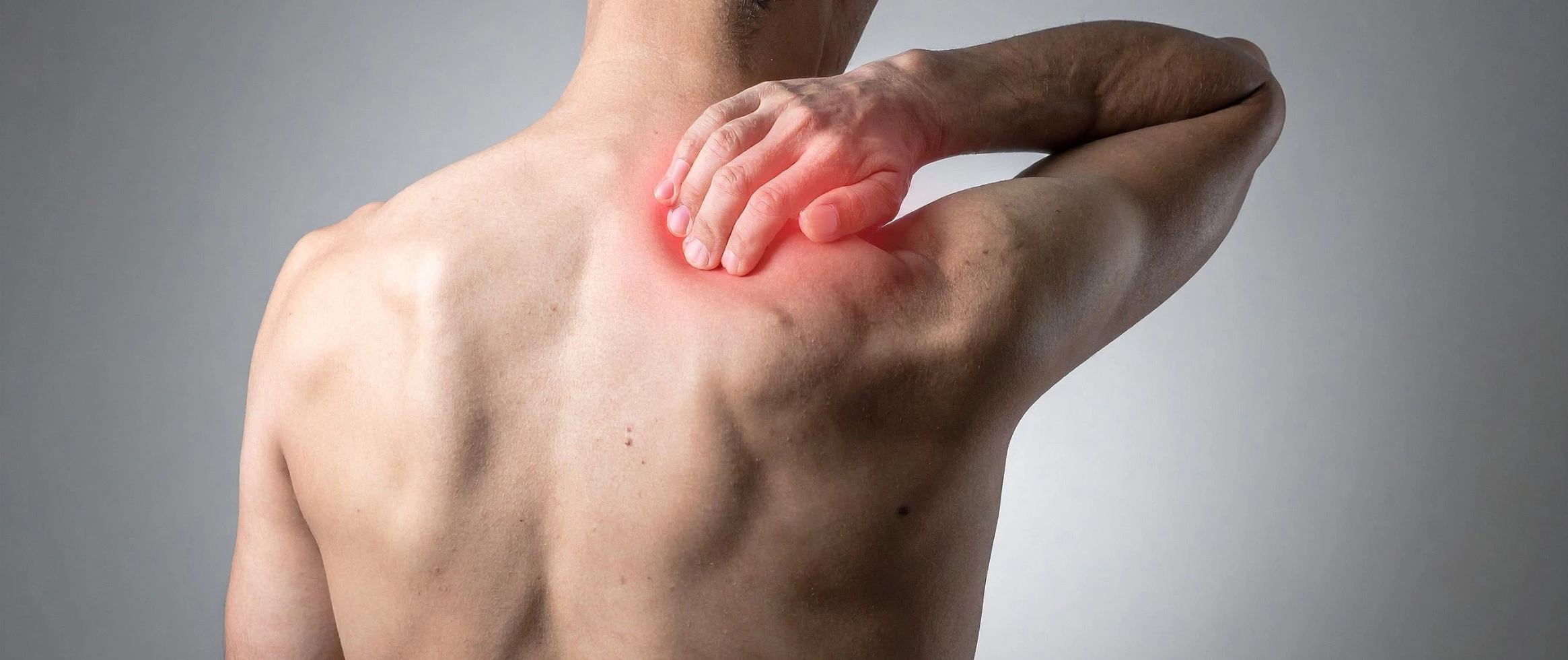
If you find yourself constantly asking, why is my frozen shoulder taking so long to heal, you are far from alone. Waking up in the middle of the night with a throbbing ache, struggling to fasten a seatbelt, or finding it nearly impossible to reach overhead to comb your hair can make simple daily tasks feel overwhelming.
Frozen shoulder, known medically as adhesive capsulitis, is infamous for its frustratingly slow recovery trajectory. Many individuals in IT hubs like Hyderabad—where prolonged desk work and sedentary routines meet underlying health factors like diabetes—endure severe shoulder stiffness for months without knowing why rest and basic pain pills aren’t speeding up their recovery.
Understanding the unique biological mechanisms of adhesive capsulitis is the first step toward relieving your anxiety. When conservative treatments stall, modern interventional pain medicine offers targeted non-surgical pain relief options that can interrupt the cycle of chronic inflammation, release joint capsule tightness, and restore movement without major surgery.
What Is Frozen Shoulder (Adhesive Capsulitis)?
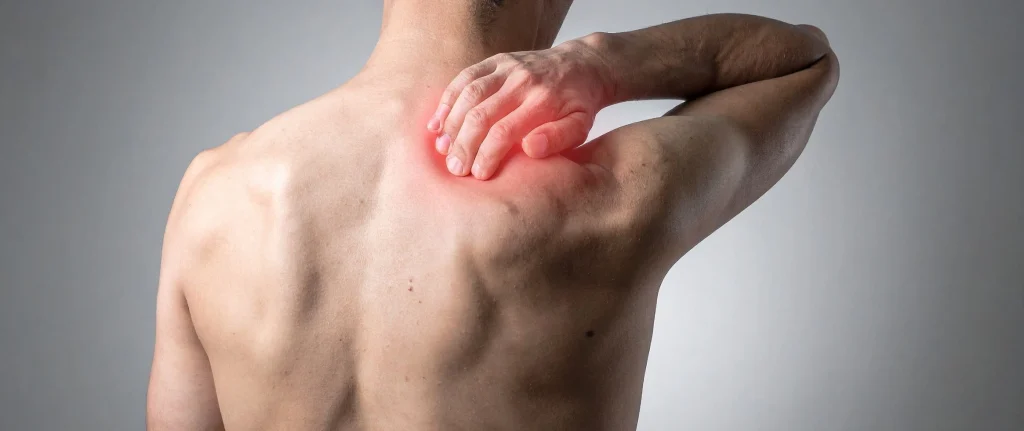
Frozen shoulder (adhesive capsulitis) is a medical condition where the connective tissue capsule surrounding the glenohumeral joint becomes inflamed, thickened, and severely contracted. This inflammatory contracture creates painful adhesions (scar-like tissue) and drastically reduces the joint’s fluid capacity, causing severe pain and profound restriction in both active and passive shoulder movement.
According to research supported by the International Association for the Study of Pain (IASP) and the Indian Society for the Study of Pain (ISSP), frozen shoulder is not a simple muscular strain. It is a complex fibroproliferative inflammatory condition where the shoulder capsule actively contracts and hardens over time.
How Is Interventional Shoulder Care Different from Standard Treatment?
When shoulder stiffness sets in, many patients find themselves stuck in a frustrating cycle—either taking oral painkillers indefinitely or feeling pressured into aggressive surgical options. Interventional pain medicine provides a distinct, evidence-based middle path.
Standard Conservative Care
Initial management often relies on oral anti-inflammatory medications, rest, and generic physical therapy exercises. While beneficial for mild joint irritation, aggressive physical therapy during the early inflammatory stage can actually trigger muscle guarding and exacerbate capsule inflammation. Oral medications circulate systemically through your stomach and bloodstream, doing little to break open the tight scar tissue inside the isolated joint capsule.
Traditional Surgical Interventions
When conservative methods fail, traditional care may default to manipulation under anesthesia (MUA) or arthroscopic capsular release surgery. These invasive procedures carry inherent risks, including general anesthesia complications, post-operative tissue scarring, prolonged rehabilitation, and potential rotator cuff injury.
The Interventional Pain Specialty
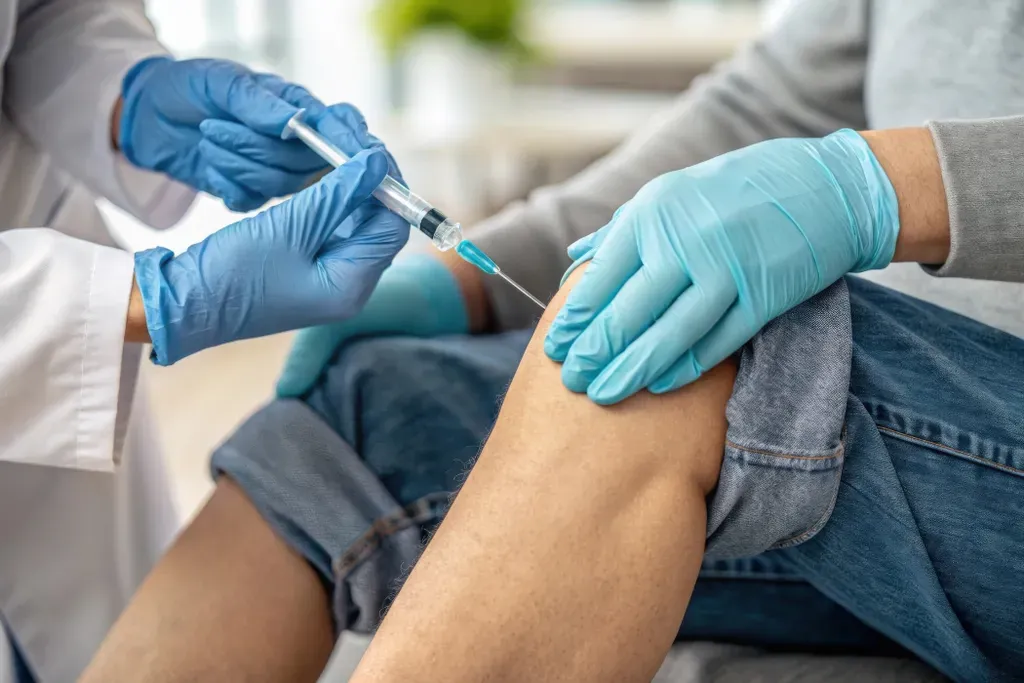
An interventional pain doctor utilizes real-time imaging modalities—such as high-resolution ultrasound and fluoroscopy—to treat the precise anatomical structures involved. Through targeted, minimally invasive techniques like ultrasound-guided hydrodilatation (capsular distension) or suprascapular nerve blocks, specialists can safely stretch the tight capsule and turn off localized pain signals. This focused approach calms nerve hypersensitivity and immediately restores joint capacity, allowing you to participate comfortably in rehabilitative physical therapy.
How Interventional Hydrodilatation and Nerve Blocks Work: Step-by-Step
When shoulder stiffness prevents progress in physical therapy, image-guided interventional procedures provide a precise way to stretch contracted tissue and shut down severe pain.
1.Step 1: Clinical Assessment & Real-Time Imaging Setup:Detailed ultrasound visualization of the glenohumeral joint space.
A pain management specialist conducts a focused physical examination to evaluate active and passive range of motion. Using high-resolution ultrasound, the doctor visualizes the posterior glenohumeral joint capsule, checking for capsular thickening, fluid loss, and hypervascularity.
2.Step 2: Targeted Local Anesthetic Administration:Ensuring maximum patient comfort during the capsule expansion.
The skin and surrounding soft tissues over the target area are thoroughly numbed using a local anesthetic, making the therapeutic delivery process virtually painless.
3.Step 3: Suprascapular Nerve Block (Pain Reset):Targeting the primary nerve responsible for shoulder pain.
Under direct ultrasound visualization, a targeted anesthetic micro-dose is delivered precisely around the suprascapular nerve—the primary pathway carrying pain signals from the shoulder joint to the brain. This creates an immediate window of pain relief.
4.Step 4: Ultrasound-Guided Capsular Hydrodilatation:Gently expanding the contracted joint capsule with sterile fluid.
A fine cannula is advanced into the glenohumeral joint space under real-time guidance. A sterile mixture of saline, local anesthetic, and mild anti-inflammatory formulation is infused under gentle pressure. This fluid volume expands the shrunken capsule and hydraulically separates internal scar adhesions.
5.Step 5: Immediate Post-Procedure Mobilization & Physical Therapy:Restoring functional range of motion while the joint is pain-free.
Immediately following the fluid distension, gentle passive range-of-motion stretches are performed while the shoulder remains numbed. The patient is then guided into a tailored physical therapy program to maintain their newly gained mobility.

The Three Clinical Stages of Frozen Shoulder
Understanding why adhesive capsulitis takes so long to resolve requires examining its distinct natural phases. Clinical experience shows that without targeted intervention, the total duration typically ranges from 12 to 30 months.
Stage 1: The Freezing Stage (Severe Pain & Increasing Stiffness)
- Duration: Typically 2 to 9 months.
- Characteristics: Diffuse, severe shoulder pain that worsens at night, especially when lying on the affected side. As inflammation surges inside the capsule, joint stiffness gradually worsens, and range of motion begins to decrease.
Stage 2: The Frozen Stage (Profound Stiffness & Reduced Sharp Pain)
- Duration: Typically 4 to 12 months.
- Characteristics: Sharp, constant rest pain may begin to subside into a dull ache, but physical movement becomes severely limited. The capsule becomes thick and fibrotic, making simple actions like reaching back or dressing extremely difficult.
Stage 3: The Thawing Stage (Gradual Recovery of Motion)
- Duration: Typically 5 to 24 months.
- Characteristics: Shoulder stiffness slowly eases, and functional motion begins to return. However, without proper therapeutic guidance, full pre-injury range of motion may not return completely on its own.
Comparison Table: Clinical Stages & Interventional Targets
| Clinical Phase | Primary Symptoms | Biological Changes | Best Interventional Approach |
| Stage 1: Freezing | High pain, night pain, progressive stiffness | Active synovitis, capsular inflammation, nerve hypersensitivity | Ultrasound-guided suprascapular nerve block & targeted anti-inflammatory therapy |
| Stage 2: Frozen | Moderate pain, extreme loss of motion | Fibrotic capsule thickening, dense intra-articular adhesions | Ultrasound-guided capsular hydrodilatation (capsular distension) |
| Stage 3: Thawing | Mild residual ache, slow stiffness resolution | Remodeling of collagen fibers, scar tissue softening | Targeted physical rehabilitation & dynamic joint mobilization |
Who Is Suitable for Interventional Shoulder Procedures?
Understanding your candidacy helps you make informed choices about advanced pain care options.
You May Be a Candidate If:
- You have been experiencing constant shoulder pain and stiffness lasting longer than 4 to 6 weeks.
- Severe night pain disrupts your sleep despite taking oral pain medications.
- Physical therapy has hit a plateau because moving your arm triggers excruciating pain.
- You have underlying health conditions, such as diabetes or thyroid dysfunction, which put you at higher risk for prolonged frozen shoulder.
- You wish to avoid open shoulder surgery, manipulation under anesthesia, or prolonged prescription pill use.
What to Expect: Before, During, and After Treatment
Knowing what happens during an image-guided procedure reduces anxiety and supports a smooth recovery.
Before the Procedure
Your specialist will review your symptoms, physical exam findings, and any previous imaging (such as shoulder X-rays or MRIs). You will receive clear, straightforward pre-procedure instructions, and all your questions will be addressed in a supportive environment.
During the Procedure
- Comfort & Precision: Performed on an outpatient basis in a procedure suite under real-time ultrasound guidance.
- Minimal Discomfort: Local anesthesia ensures that needle placement and fluid infusion are easily tolerated.
- Quick Timeline: The entire procedure typically takes between 20 and 30 minutes.
After the Procedure
- Immediate Monitoring: After a short 20-to-30-minute observation in a comfortable recovery area, you can return home.
- Mobility Progress: Many patients notice an immediate improvement in their range of motion right after capsular hydrodilatation.
- Focused Rehabilitation: You will begin gentle stretching exercises within 24 to 48 hours to preserve capsular expansion and prevent new adhesions from forming.
When Should You Consider Seeing an Interventional Pain Specialist?
If you have been managing chronic pain for more than 6 weeks with limited relief from medication or physiotherapy, a consultation with a fellowship-trained interventional pain specialist is the logical next step. Dr. P. Purohithi at Apollo Hospital, Kondapur, Hyderabad, specialises in precisely diagnosing and treating the source of your pain using image-guided, minimally invasive techniques — without defaulting to surgery.
Holding prestigious international credentials including FIPM (Fellowship in Interventional Pain Management) and IDRA, Dr. Purohithi brings expertise to Meraki Pain Management Center. By combining precise diagnostic evaluations with real-time ultrasound procedures, Dr. Purohithi creates individualized treatment plans designed to break the cycle of stiffness, reduce reliance on daily oral medications, and help you regain full, comfortable arm movement.
Frequently Asked Questions
Why is my frozen shoulder taking so long to heal compared to a normal sprain?
Unlike a muscle sprain, adhesive capsulitis involves chronic inflammation and physical thickening of the entire joint capsule. Scar tissue adhesions shrink the joint cavity, restricting movement until the capsule is systematically stretched or medically released.
Is ultrasound-guided hydrodilatation safe for patients with diabetes?
Yes, in clinical experience, ultrasound-guided hydrodilatation is considered a safe, effective option for diabetic patients. Because diabetes increases the risk of dense capsular adhesions, image-guided hydrodilatation provides targeted mechanical expansion without requiring general anesthesia.
How do I know if I need a pain management specialist?
If shoulder stiffness prevents basic movements, wakes you up at night, or shows no improvement after 4 to 6 weeks of standard care, consulting a pain management specialist Hyderabad can help identify the exact phase of your condition and open up targeted treatment avenues.
How long does a suprascapular nerve block last?
A suprascapular nerve block provides immediate pain relief that lasts from several days to weeks depending on the exact solution used. Crucially, this temporary “pain reset” creates an vital opportunity for patients to undergo physical therapy without severe discomfort.
Can PRP (Platelet-Rich Plasma) therapy help in frozen shoulder recovery?
In select cases involving co-existing rotator cuff tendinopathy or partial tears, regenerative PRP therapy may be integrated into the treatment plan to support tissue healing and reduce localized inflammatory signals.
What is the difference between a pain specialist and an orthopedic surgeon?
An orthopedic surgeon specializes primarily in surgical repairs, joint reconstructions, and arthroscopic operations. An interventional pain doctor focuses on non-surgical, image-guided procedures to relieve pain, restore joint capacity, and manage chronic conditions without open surgery.
How quickly can I resume normal daily activities after hydrodilatation?
Most patients return to light, routine daily activities within 24 to 48 hours following the procedure. Gentle range-of-motion stretching begins immediately to maintain joint flexibility.
Can I consult Dr. P. Purohithi at Apollo Hospital Kondapur for a second opinion?
Yes. Dr. P. Purohithi evaluates complex shoulder, spine, and joint conditions, providing comprehensive non-surgical treatment strategies at Meraki Pain Management Center, located within Apollo Hospital, Kondapur, Hyderabad.

Reclaim Your Movement and Sleep Without Pain
You do not have to wait years for your shoulder to thaw on its own while living with chronic pain and sleepless nights. Knowing why is my frozen shoulder taking so long to heal gives you the clarity needed to explore modern interventional options that actively speed up recovery.
If you are looking for an expert second opinion or non-surgical pain relief solutions in Hyderabad, Dr. P. Purohithi at Meraki Pain Management Center (Apollo Hospital, Kondapur) is here to help you move freely again.


Leave a Comment