
Table of Contents
Why Does Back Pain Get Worse After Driving? Comparing Non-Surgical Interventional Care vs. Spine Surgery
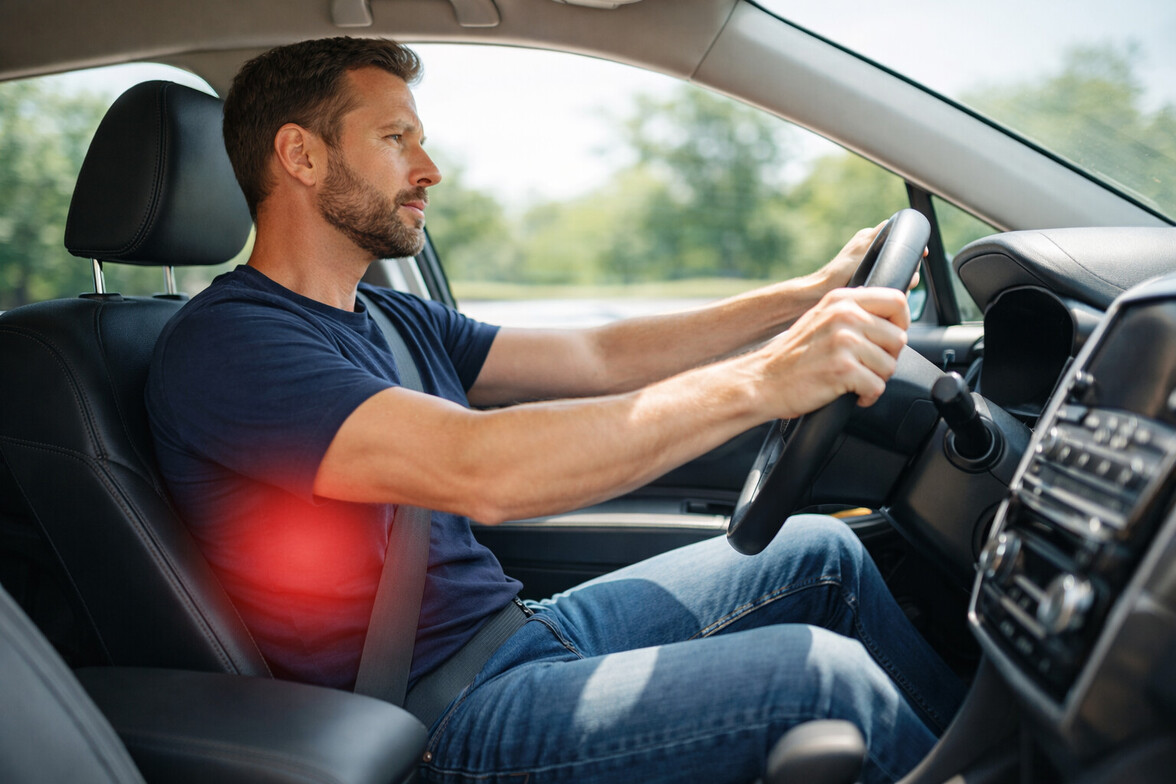
You settle into the driver’s seat for your daily commute across Hyderabad, feeling relatively comfortable. But as you navigate stop-and-go traffic, press the pedals, and absorb continuous road vibration, a deep ache begins to build in your lumbar spine. By the time you reach your destination, standing up feels like a slow, painful ordeal.
If you are struggling to understand why does back pain get worse after driving, you are likely facing a significant medical decision. Many drivers, commuters, and desk workers find themselves at a crossroads: should they continue trying conservative therapies, explore specialized non-surgical care, or consider spine surgery?
Validating your research is essential. When driving turns routine travel into an exhausting challenge, seeking clear, objective information is the smartest move you can make. Understanding how non-surgical interventional procedures compare with surgical interventions allows you to evaluate your options with confidence and clarity.
Understanding the Key Difference Between Interventional Pain Management and Spine Surgery
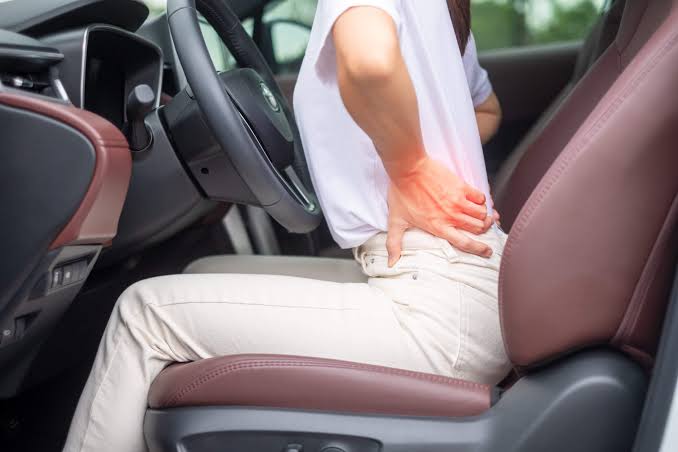
Driving combines prolonged sitting, low-frequency vehicle vibration, and pedal operation, which significantly elevates lumbar disc pressure and strains spinal joints. Interventional pain management treats this by delivering targeted, image-guided therapies (such as nerve blocks or radiofrequency ablation) directly to inflamed tissue without open incisions. Spine surgery physically alters, decompresses, or stabilizes structural bone and disc anatomy when non-surgical options are insufficient or progressive nerve damage exists.
To help you weigh these paths, it is helpful to look at how interventional pain management and traditional spine surgery compare across fundamental clinical factors.
Comparison Table: Interventional Pain Management vs. Open Spine Surgery
| Comparison Factor | Option A: Interventional Pain Management | Option B: Open Spine Surgery |
| Primary Mechanism | Targets precise pain-generating nerves or joints using fluoroscopic or ultrasound guidance | Physically removes, decompresses, or fuses structural bone and disc tissue |
| Procedure & Setting | Outpatient / Daycare pinhole procedure under local anesthesia | Inpatient surgical procedure under general anesthesia |
| Recovery Timeline | Typically 24 to 48 hours to resume normal daily activities | Typically several weeks to months of structured rehabilitation |
| Risk Profile | Low risk profile; minimal tissue disruption, no major surgical scarring | Higher complexity; potential risks of surgical infection, hardware issues, or scar formation |
| Primary Suitability | Disc herniations, facet arthritis, sciatica, and chronic inflammation without major motor loss | Severe spinal instability, progressive motor deficits, cauda equina syndrome, or failed conservative care |
| Cost Investment | Moderate, highly cost-effective daycare procedure | Higher financial investment involving operating suites, hardware, and hospital stay |
How Interventional Pain Management Works
Interventional pain management is a specialized field of medicine that bridges the gap between basic conservative care (pills, rest, general physical therapy) and open surgery. An interventional pain doctor focuses on pinpointing the exact anatomical source of your driving-related back pain and treating it with pinpoint accuracy.
Common Interventional Procedures
- Fluoroscopic Lumbar Epidural Steroid Injections (LESI): Under real-time X-ray guidance, anti-inflammatory medication is precise placed into the epidural space surrounding swollen spinal nerves. This calms nerve irritation caused by disc bulges that flare up during long drives.
- Facet Joint Radiofrequency Ablation (RFA): Vehicle vibration heavily aggravates arthritic facet joints. RFA uses controlled thermal energy to temporarily interrupt pain signals from tiny sensory nerves (medial branches), providing relief that typically lasts 6 to 18 months.
- Selective Nerve Root Blocks (SNRB): Used both as a precise diagnostic tool and a therapeutic treatment, SNRBs deliver targeted anti-inflammatory medicine directly to a compressed spinal nerve root causing sciatica down the leg.
- Platelet-Rich Plasma (PRP) Therapy: Autologous growth factors derived from your own blood are injected into chronically strained spinal ligaments or joints to support tissue repair and localized stability.
Pros and Cons of Interventional Care
- Pros: Highly precise; performed as an outpatient procedure under local anesthesia; minimal downtime; preserves original spinal anatomy; very low complication rates.
- Cons: May require periodic repeat treatments depending on underlying disease progression; does not rebuild severely degenerated bone structures.

How Spine Surgery Works
Spine surgery encompasses surgical procedures performed by orthopedic spine surgeons or neurosurgeons to correct structural mechanical failures, relieve severe spinal cord pressure, or stabilize unstable vertebrae.
Common Surgical Procedures
- Microdiscectomy: A targeted surgical procedure to remove the specific portion of a herniated disc that is physically pressing on a spinal nerve root.
- Laminectomy / Spinal Decompression: Removal of a portion of the vertebral bone (lamina) to enlarge the spinal canal and relieve compression on the spinal cord or nerves.
- Spinal Fusion: Permanently joining two or more vertebrae using bone grafts, rods, and screws to eliminate painful motion across a severely damaged or unstable spinal segment.
Pros and Cons of Spine Surgery
- Pros: Essential and highly effective for severe structural instability or acute neurological emergencies; directly relieves severe physical nerve entrapment.
- Cons: Requires general anesthesia and hospital stays; longer recovery period; risk of adjacent segment disease (increased mechanical stress on joints above or below the fusion); higher financial cost.
Patient Segmentation Guide
| Clinical Scenario | Recommended Primary Approach | Core Rationale |
| Dull lower back ache after 30+ minutes of driving; MRI shows mild disc bulge | Interventional Pain Care | Pain is driven by postural disc compression and localized inflammation, ideal for non-surgical targeting. |
| Sharp, burning pain radiating down the leg while pressing car pedals | Interventional Pain Care | Nerve root irritation (sciatica) responds well to targeted epidural steroid injections or nerve blocks. |
| Deep, aching pain over the lower beltline aggravated by vehicle vibration | Interventional Pain Care | Highly characteristic of facet joint strain, which can be safely managed with radiofrequency ablation. |
| Driving back pain accompanied by progressive leg weakness or numbness | Immediate Surgical Referral | Indicates significant motor nerve compression requiring prompt surgical evaluation to prevent permanent deficit. |
Why a Second Opinion From an Interventional Pain Specialist Matters
If you have been advised to undergo spine surgery for back pain triggered by driving, getting a second opinion from a dedicated interventional pain doctor is a crucial step in your decision-making process.
Dr. Purohithi’s clinical practice is founded on an honest, evidence-based philosophy: surgery should be reserved for when it is genuinely indicated, and non-surgical interventional options should be thoroughly explored first.
                                  +---------------------------------------+
                                  | Back Pain Worse After Driving         |
                                  | (Prolonged Sitting & Road Vibration)  |
                                  +-------------------+-------------------+
                                                      |
                                                      v
                                  +---------------------------------------+
                                  | Comprehensive Pain Specialist Exam    |
                                  | (Clinical Exam + MRI Correlation)     |
                                  +-------------------+-------------------+
                                                      |
                 +------------------------------------+------------------------------------+
                 |                                                                         |
                 v                                                                         v
+---------------------------------+                                       +---------------------------------+
|   Non-Surgical Interventional   |                                       |   Direct Surgical Referral      |
|             Pathway             |                                       |             Pathway             |
|  - Fluoroscopic Epidurals       |                                       |  - Microdiscectomy              |
|  - Facet Radiofrequency Ablation|                                       |  - Decompression / Fusion       |
|  - Precision Nerve Blocks       |                                       |  (For progressive deficits or   |
|  - Postural & Ergonomic Rehab   |                                       |   severe structural instability)|
+---------------------------------+                                       +---------------------------------+
Medical Expertise You Can Rely On
At Meraki Pain Management Center, located within Apollo Hospital, Kondapur, Hyderabad, Dr. P. Purohithi brings advanced international qualifications to patient care, holding both FIPM (Fellowship in Interventional Pain Management) and IDRA.
Rather than relying solely on static MRI scans, Dr. Purohithi conducts a comprehensive clinical evaluation to correlate your scan findings directly with your physical symptoms while driving. This ensures that you receive a clear, unbiased treatment plan—whether that means an outpatient interventional procedure or an honest referral to a trusted spine surgeon if surgery is truly necessary.
Common Mistakes Patients Make When Comparing Options
When evaluating treatment for back pain aggravated by driving, commuters and desk workers frequently make a few key errors:
- Assuming Surgery is the Only Alternative to Pills: Many patients believe that if daily painkillers or rest fail, open surgery is their only remaining option, unaware that modern interventional pain medicine provides a proven middle ground.
- Treating the MRI Scan Instead of the Patient: An MRI may show structural wear and tear that is actually unrelated to your driving pain. Proceeding with surgery based on a scan alone—without a detailed clinical exam—can lead to operating on the wrong pain generator.
- Rushing Into Surgery Without Exploring Interventional Options: Jumping directly into major surgery without evaluating outpatient procedures (such as epidural injections or radiofrequency ablation) exposes patients to unnecessary surgical risks and downtime.
- Ignoring Driving Ergonomics and Postural Triggers: Neither surgery nor interventional procedures can completely replace good spinal mechanics. Failing to adjust seat positioning, lumbar support, and driving duration can cause pain to return.
Practical Ergonomic Steps for Drivers Right Now
While medical procedures treat underlying tissue inflammation, incorporating smart driving ergonomics can help protect your lumbar spine during travel:
- Adjust Your Seat Angle: Position your seatback at a slight incline of 100 to 110 degrees rather than sitting completely upright. This reduces intradiscal pressure on your lumbar spine.
- Use Dedicated Lumbar Support: Ensure your chair’s lumbar support fits firmly into the curve of your lower back, or place a rolled towel behind your beltline to prevent pelvic tilting.
- Position Your Seat Close to the Pedals: Sit close enough so your knees are slightly bent when pressing pedals fully. Reaching too far forward pulls your pelvis out of alignment and strains lower back muscles.
- Take Scheduled Commute Breaks: On drives longer than 45 to 60 minutes, pull over safely to stand, walk, and stretch for 2 minutes. This resets intradiscal pressure and restores circulation to spinal tissues.

Frequently Asked Questions
Why does back pain get worse after driving compared to walking?
Driving combines prolonged sitting with low-frequency vehicle vibration and constant pedal operation. Sitting flattens the lumbar spine and increases disc pressure by up to 90%, while vibration and pedal use continuously strain compressed spinal nerves and facet joints.
How do I know if I need a pain management specialist or a surgeon?
If your back pain persists beyond 4 to 6 weeks without progressive muscle weakness or bowel/bladder issues, consulting an interventional pain doctor is recommended. If you experience progressive leg weakness or loss of sphincter control, immediate evaluation by a spine surgeon is necessary.
How long does radiofrequency ablation last for driving back pain?
Radiofrequency ablation (RFA) for facet joint pain typically provides significant relief lasting between 6 to 18 months. As sensory nerve fibers slowly regenerate, the outpatient procedure can be safely repeated if pain recurs.
Is an epidural steroid injection painful?
Patients experience minimal discomfort during an epidural steroid injection. It is performed under local anesthesia using real-time fluoroscopic (X-ray) guidance to ensure maximum precision, safety, and speed.
How much does a nerve block cost in Hyderabad?
The cost of an image-guided nerve block or interventional procedure varies depending on clinical complexity, the specific spine levels involved, and facility fees. Consulting a dedicated pain clinic Hyderabad provides clear, transparent cost breakdowns tailored to your care plan.
Can interventional pain procedures help me avoid spine surgery?
In many cases, yes. According to established guidelines from organizations like the International Association for the Study of Pain (IASP), targeted interventional care can calm joint and nerve inflammation sufficiently to resolve symptoms and allow patients to successfully avoid open surgery.
Can I consult Dr. P. Purohithi at Apollo Hospital Kondapur?
Yes. Dr. P. Purohithi conducts detailed diagnostic assessments and performs outpatient interventional procedures at Meraki Pain Management Center, located within Apollo Hospital, Kondapur, Hyderabad.
Make an Informed Choice for Your Spinal Health
Before making a major, life-altering treatment decision, ensure you have explored all your options with an expert second opinion.
Dr. P. Purohithi, interventional pain specialist at Meraki Pain Management Center (Apollo Hospital, Kondapur, Hyderabad), provides honest diagnostic evaluations, comprehensive MRI reviews, and personalized, non-surgical treatment plans tailored to your specific driving and lifestyle needs.




Leave a Comment