

Table of Contents
What Are the Best Physio Exercises for Lower Back Pain Hyderabad? A Complete Guide to Movement & Recovery
Living with persistent lower back stiffness can make even the simplest daily routines feel like an uphill battle. Whether you are an IT professional sitting for 9 hours at a desk in HITEC City or a parent struggling to lift your young child without a sharp spike in your lumbar spine, back discomfort drains your physical vitality and peace of mind. Knowing what are the best physio exercises for lower back pain can empower you to restore mobility, strengthen your stabilizing core, and protect your spine from future irritation.
+-----------------------------------------------------------------------------+
|                 LUMBAR STABILIZATION & MOVEMENT RECOVERY                     |
|                                                                             |
|  [ Gentle Extension / Flexion ] ---> [ Deep Core Activation ]              |
|                                                |                            |
|                                                v                            |
|  [ Long-Term Spine Stability ] <--- [ Glute & Hip Mobilization ]            |
+-----------------------------------------------------------------------------+
However, exercise must be approached with clinical care and anatomical awareness. While therapeutic movement is widely recognized as a cornerstone of spine health, blindly performing intense workouts or aggressive stretches on an inflamed spinal disc or pinched nerve can actually worsen your condition. Understanding how movement interacts with spinal structures—and knowing when to pair physical rehabilitation with targeted medical evaluation—is essential for safe, long-term healing.
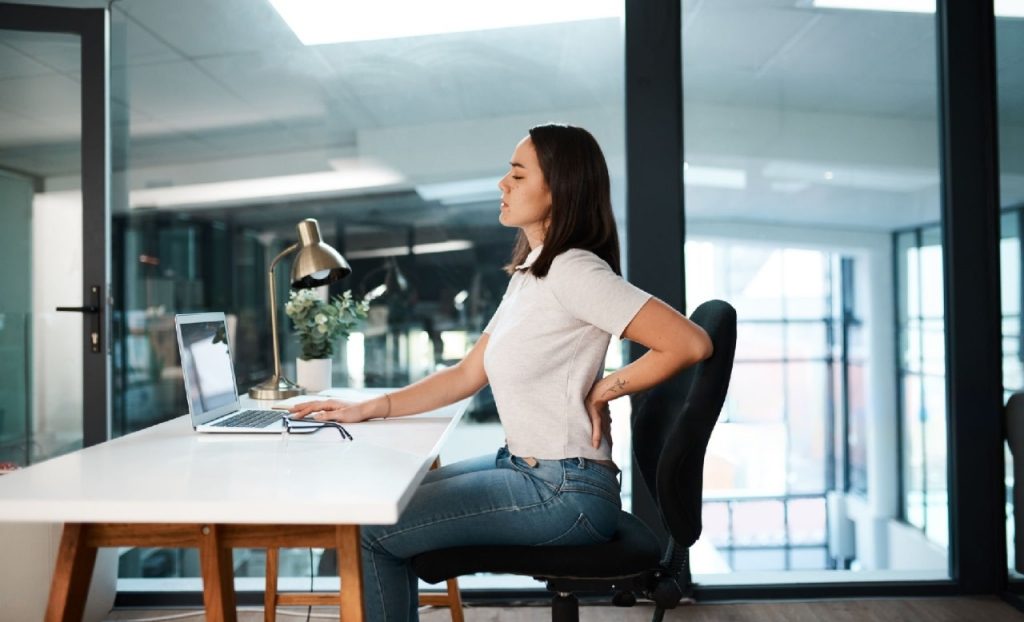
What Is Lower Back Pain and Why Does It Cause Pain?
+-----------------------------------------------------------------------------+
|                     SNIPPET DEFINITION & CORE MECHANISM                     |
|                                                                             |
| Lower back pain refers to discomfort, soreness, or nerve irritation in the  |
| lumbar spine region (L1–L5). It occurs when spinal discs herniate, facet    |
| joints inflame, or surrounding muscles spasm, irritating nearby nerve roots  |
| and restricting normal spinal movement.                                     |
+-----------------------------------------------------------------------------+
Lower back pain refers to discomfort, soreness, or nerve irritation originating in the lumbar spine (L1–L5 region). It occurs when spinal intervertebral discs degenerate or herniate, facet joints inflame, or surrounding postural muscles spasm, irritating nearby nerve roots and restricting normal movement.
How Common Is Lower Back Pain in India and Hyderabad?
Lower back pain is one of the leading causes of physical disability across India, affecting millions of working adults and seniors alike. In tech-driven hubs across Hyderabad—such as Gachibowli, Madhapur, and the Financial District—long hours spent in ergonomic-poor office chairs combined with extended daily commutes create significant mechanical strain on the lumbar spine.
+-----------------------------------------------------------------------------+
|                      HYDERABAD URBAN SPINE STRESS FACTORS                   |
|                                                                             |
| [ Prolonged Sedentary Desk Work ] ----> Continuous lumbar disc compression   |
| [ Erratic Work & Sleep Cycles ] -------> Delayed tissue & muscle recovery   |
| [ Bumpy Road Commutes ] -------------> Micro-trauma to cervical & lumbar    |
|                                         facet joint structures              |
+-----------------------------------------------------------------------------+
Additionally, age-related disc degeneration, weak core abdominal musculature, and sudden heavy lifting without proper technique contribute to frequent flare-ups among residents across Kondapur, Kukatpally, and Jubilee Hills.
Common Signs and Symptoms of Lower Back Conditions
While lower back discomfort presents differently for everyone, common signs that your lumbar spine requires attention include:
- A Dull, Constant Lumbar Ache: Persistent soreness at the base of your spine that worsens after prolonged sitting or standing.
- Sharp, Radiating Nerve Pain (Sciatica): Electric, shooting sensations that travel down through the buttock, thigh, calf, or foot on one side.
- Morning Stiffness: Severe lumbar stiffness upon waking that takes 20 to 30 minutes of gentle walking to loosen up.
- Pain with Forward Bending: Increased sharp discomfort when reaching down to tie your shoes or pick up an object.
- Postural Muscle Fatigue: A feeling that your lower back muscles are “giving out” or tiring quickly during standing tasks.
- Localized Tenderness: Sharp pain when pressing directly over the lower spine or adjacent paraspinal muscle bands.
What Are the Best Physio Exercises for Lower Back Pain?
When performed with correct form and within a pain-free range, targeted physiotherapy exercises strengthen deep spinal stabilizers, improve hip flexibility, and decompress spinal disc spaces. Perform these exercises on a firm mat, breathing steadily throughout each movement:
1.1. Cat-Cow Dynamic Stretch:Decompresses lumbar discs and gently restores natural extension.
Start on your hands and knees with wrists directly under shoulders and knees under hips. Inhale as you gently drop your belly toward the floor, lifting your chest and tailbone (Cow). Exhale as you arch your spine toward the ceiling, tucking your chin and tailbone (Cat). Repeat smoothly for 10 to 12 controlled cycles.
2.2. Glute Bridges:Strengthens deep gluteal muscles without overloading the lumbar spine.
Lie flat on your back with knees bent and feet flat on the floor, hip-width apart. Engage your abdominal muscles, press through your heels, and lift your hips until your shoulders, hips, and knees form a straight line. Hold at the top for 3 to 5 seconds, then slowly lower. Perform 2 sets of 10 repetitions.
3.3. Bird-Dog Balance:Builds rotational stability and core endurance without moving the lower back.
Begin on all fours. Keeping your spine neutral and core engaged, extend your right arm straight forward while extending your left leg straight back. Hold for 3 seconds while keeping your hips level with the ground. Return to the starting position and repeat with the opposite arm and leg. Perform 8 to 10 repetitions per side.
4.4. Abdominal Draw-In Maneuver (Pelvic Tilts):Activates the transversus abdominis to support spinal alignment.
Lie on your back with knees bent. Gently tighten your deep lower belly muscles as if drawing your belly button toward your spine, flattening your lower back gently against the floor. Hold this contraction for 5 seconds while breathing normally, then release. Complete 12 to 15 repetitions.
5.5. Knee-to-Chest Stretch:Relieves tightness in the glutes and deep hip rotators that pull on the lumbar spine.
Lie on your back with legs extended. Gently pull one knee up toward your chest using both hands until you feel a comfortable stretch in your lower back and hip. Hold for 20 to 30 seconds, maintaining steady breathing. Lower your leg and repeat on the opposite side. Perform 3 times on each leg.
Why Standard Treatments & Exercises Sometimes Fall Short
While basic physiotherapy and home stretching work remarkably well for acute, uncomplicated muscle strains, they often reach a hard limit when applied to severe, structural spinal conditions.
+-----------------------------------------------------------------------------+
|                     LIMITATIONS OF CONVENTIONAL CARE                        |
|                                                                             |
| [ Oral Painkillers & Rest ] ---------> Temporarily masks inflammation;       |
|                                       does not un-compress pinched nerves.  |
|                                                                             |
| [ Standard Physiotherapy ] ----------> Excellent for muscle conditioning;   |
|                                       cannot resolve structural disc        |
|                                       herniation or severe joint stenosis.  |
+-----------------------------------------------------------------------------+
If a spinal nerve root is physically compressed by a extruded disc fragment or choked by severe facet joint hypertrophy, performing exercises alone can trigger pain flare-ups. In such cases, attempting to “work through the pain” without calming active nerve inflammation first can impede recovery.
Interventional Non-Surgical Options for Persistent Lower Back Pain
When conservative exercises, rest, and routine medications fail to provide lasting relief after 4 to 6 weeks, modern interventional pain management provides precise, non-surgical therapies that treat the exact physical source of pain:
+-----------------------------------------------------------------------------+
|                ADVANCED NON-SURGICAL SPINE PROCEDURES                       |
|                                                                             |
|  [ Transforaminal Epidural ]  [ Lumbar Facet Joint ]  [ Radiofrequency     ]
|  [ Steroid Injection       ]  [ Injections          ]  [ Ablation (RFA)     ]
+-----------------------------------------------------------------------------+
| Procedure | How It Works | Expected Relief Duration |
| Transforaminal Epidural Steroid Injection | Delivers concentrated anti-inflammatory micro-doses under fluoroscopic guidance directly around pinched spinal nerves. | Typically 3 to 12 months; creates a window for successful physical rehab. |
| Lumbar Facet Joint Injections | Deposits localized medication directly into inflamed arthritic joints in the posterior lower spine. | Typically 3 to 6 months of significant pain reduction. |
| Radiofrequency Ablation (RFA) | Applies targeted thermal energy to deaden pain-transmitting sensory nerves supplying arthritic facet joints. | Typically 6 to 18 months or longer; repeatable as needed. |
| Regenerative PRP Joint Therapy | Injects concentrated platelet-rich plasma into weakened spinal ligaments or outer disc rings to promote healing. | Gradual, long-term functional improvement over several months. |

What Does the Treatment Process Look Like?
If you decide to consult an interventional pain doctor, step-by-step clinical evaluation removes all guesswork from your recovery journey:
- In-Depth Clinical Evaluation: The specialist conducts a detailed physical exam, testing nerve reflexes, muscle strength, and specific motion triggers while reviewing your lumbar MRI scans.
- Diagnostic Mapping: Real-time imaging (ultrasound or fluoroscopy) is used to pinpoint the precise nerve, disc, or facet joint responsible for your pain.
- Precision Outpatient Procedure: If indicated, a targeted, non-surgical day-care procedure is performed under local anesthesia in a sterile day-care suite, typically taking under 30 minutes.
- Targeted Rehabilitation Phase: Once acute nerve inflammation is resolved by the procedure, you return to custom physiotherapy exercises with far greater comfort and mobility.
Practical Lifestyle and Ergonomic Tips for Spine Protection
Complement your exercise routine with these evidence-based spine health habits:
- Optimize Your Workspace: Position your computer monitor so the top third of the screen sits at eye level, keeping your spine naturally aligned.
- Incorporate Micro-Breaks: Stand up and walk for 60 seconds every 30 to 45 minutes to unload compressed lumbar discs.
- Practice Proper Lifting Mechanics: Always bend at your knees and hips—never at your waist—keeping heavy loads close to your torso.
- Sleep with Spine Support: If sleeping on your back, place a small pillow under your knees; if sleeping on your side, place a firm pillow between your knees to keep your pelvis level.
When Is It Time to See an Interventional Pain Specialist in Hyderabad?
If back pain prevents you from sleeping comfortably, limits your work productivity, or causes radiating pain down your legs despite weeks of home exercise, seeking a specialist evaluation is the safest step forward.
A specialized evaluation with a fellowship-trained interventional pain specialist can help you regain quality of life without defaulting to open surgery. Dr. P. Purohithi at Apollo Hospital, Kondapur, Hyderabad, specializes in diagnosing and treating complex spinal and musculoskeletal pain at its physical root using advanced, image-guided techniques.
Holding prestigious credentials including a Fellowship in Interventional Pain Management (FIPM) and In-plane Ultrasound-Guided Regional Anesthesia (IDRA), Dr. Purohithi provides precise, compassionate care. Supported by the state-of-the-art medical infrastructure of Apollo Hospital, Kondapur, Meraki Pain Management Center offers a comprehensive environment focused on preserving your spine health non-surgically.
Frequently Asked Questions
Can I avoid spine surgery with interventional treatments?
In many cases, yes. Clinical experience aligned with IASP guidelines demonstrates that precision procedures like epidural steroid injections and radiofrequency ablation can resolve severe nerve inflammation and back pain, allowing patients to successfully avoid major spinal surgery.
Is radiofrequency ablation safe for back pain?
Yes. Radiofrequency ablation is a safe, proven, minimally invasive procedure when performed by a qualified pain management specialist using real-time fluoroscopic C-arm guidance.
How do I know if my back pain is coming from a herniated disc or a muscle strain?
Muscle strains typically cause localized pain that stays in the back and improves within a few days of rest. A herniated disc often causes sharp, shooting pain radiating down the leg (sciatica), accompanied by tingling, numbness, or muscle weakness.
How much does an epidural steroid injection cost in Hyderabad?
The cost of a fluoroscopy-guided lumbar epidural injection in Hyderabad depends on procedural requirements and whether it is performed in an outpatient day-care setting. Detailed cost estimates are provided during consultation at Meraki Pain Management Center.
Should I continue physio exercises if they cause pain?
No. Mild muscle fatigue is normal, but sharp, shooting, or increasing pain during an exercise indicates nerve irritation or tissue overload. Stop the exercise immediately and consult a medical professional.
How long does it take to recover after an interventional pain procedure?
Because interventional procedures are minimally invasive and performed under local anesthesia, most patients rest briefly in the day-care recovery room and return home the same day, resuming light daily activities within 24 to 48 hours.
How do I schedule a consultation with Dr. Purohithi at Apollo Hospital, Kondapur?
You can book an appointment with Dr. P. Purohithi by calling +91 88856 23283 or scheduling online through https://drpurohithi.com/.
Take the First Step Toward a Stronger, Pain-Free Back
Struggling with lower back pain or sciatica in Hyderabad? You do not have to live with continuous discomfort or jump straight into major spinal surgery.
Dr. P. Purohithi offers precise, image-guided, non-surgical treatment options at Meraki Pain Management Center, Apollo Hospital, Kondapur.



Leave a Comment