
Table of Contents
How Much Does a Shoulder Repair Cost? A Complete Medical & Financial Guide
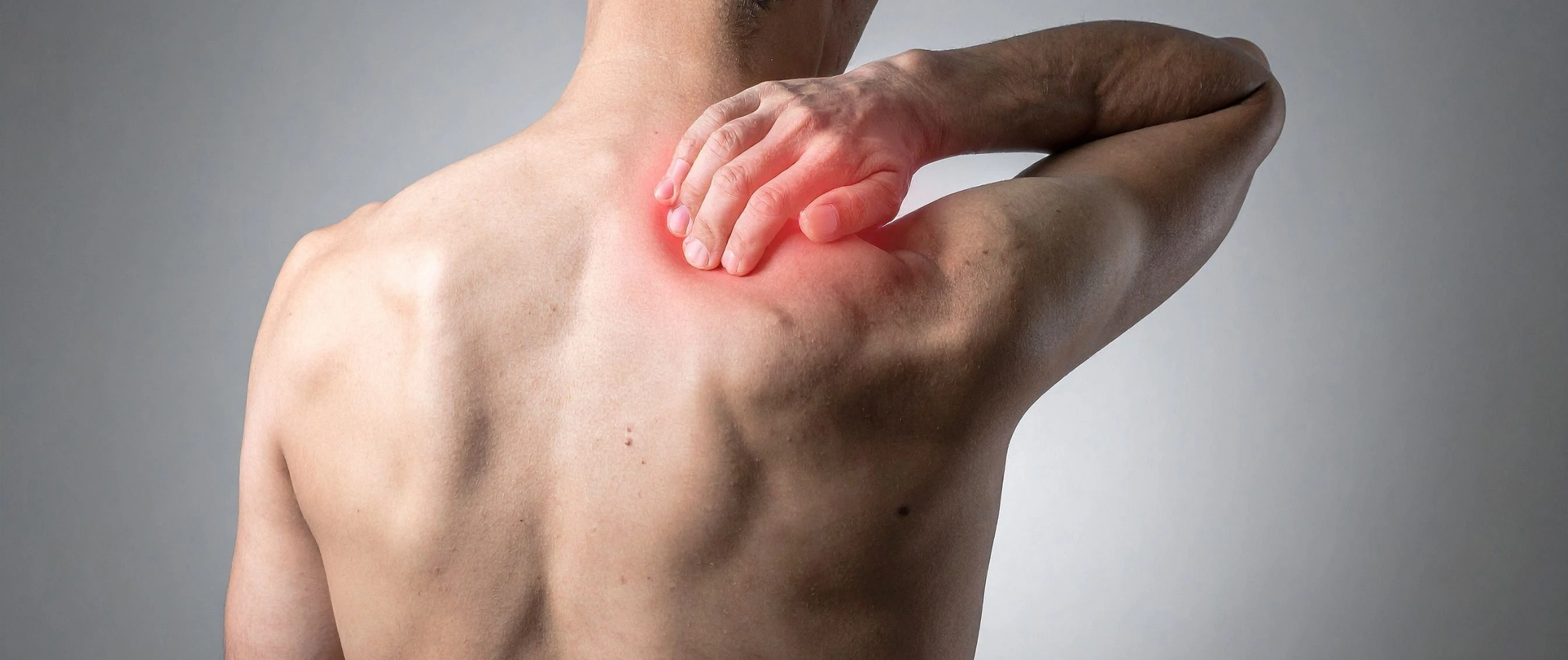
If you are dealing with persistent shoulder stiffness, sharp catching pain when reaching overhead, or an aching arm that keeps you awake at night, asking how much does a shoulder repair cost is a practical step toward planning your recovery. Shoulder injuries—ranging from partial rotator cuff tears and tendinopathy to frozen shoulder and labral wear—can quickly turn routine daily tasks like getting dressed, driving, or working at a desk into exhausting challenges.
For active adults, IT professionals, and seniors across Hyderabad, understanding both surgical expenses and non-surgical alternatives is essential before committing to a treatment path. Many patients assume that a torn rotator cuff or chronic shoulder pain automatically requires an expensive arthroscopic operation and months in a sling.
However, modern interventional pain medicine offers effective biological and image-guided alternatives at a fraction of surgical costs. By comparing surgical expenses with targeted non-surgical pain relief procedures—such as ultrasound-guided Platelet-Rich Plasma (PRP) therapy and suprascapular nerve blocks—you can make an informed decision that protects both your joint mobility and your financial well-being.
What Is Shoulder Repair and What Does It Cost?
How much does a shoulder repair cost depends on whether you undergo open/arthroscopic surgery or non-surgical interventional restoration. In Hyderabad, surgical rotator cuff or labral repair typically costs between ₹1,20,000 and ₹3,50,000 INR due to hospital stays and implants, whereas non-surgical image-guided regenerative therapies (like PRP or nerve blocks) generally range from ₹10,000 to ₹45,000 INR.
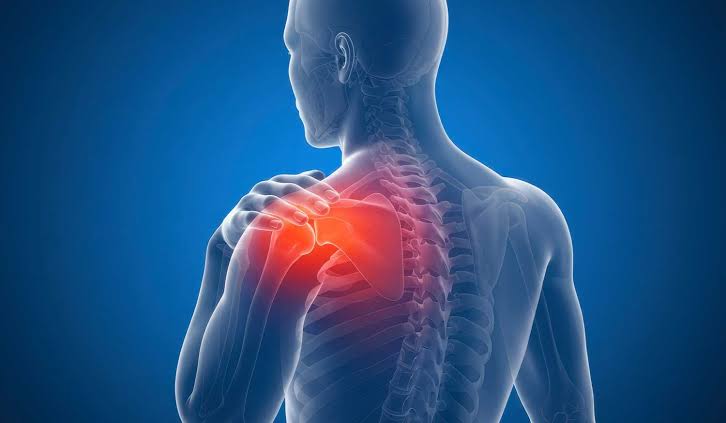
According to clinical frameworks supported by the International Association for the Study of Pain (IASP) and the Indian Society for the Study of Pain (ISSP), shoulder pain is rarely isolated to a single tissue. The shoulder relies on a delicate balance of rotator cuff tendons, bursae, joint capsules, and peripheral nerves, meaning targeted non-surgical interventions can often restore painless function without surgical reconstruction.
Key Factors Influencing Shoulder Treatment Costs in Hyderabad
When evaluating how much does a shoulder repair cost, several clinical and facility variables determine your final out-of-pocket investment:
- Type of Intervention (Surgical vs. Non-Surgical): Arthroscopic surgery requires operating room time, general anesthesia, suture anchors, and inpatient admission. Conversely, outpatient image-guided procedures require no hospital stay and zero surgical implants.
- Diagnostic Imaging Requirements: High-resolution shoulder MRI scans (typically ₹5,000 to ₹9,000) or dynamic musculoskeletal ultrasound evaluations are essential beforehand to determine whether a tendon tear is partial or completely retracted.
- Biological Formulation & Guidance: For non-surgical regenerative care, costs vary based on the centrifugation system used to concentrate autologous platelets (PRP) and the use of live ultrasound guidance for sub-millimeter needle placement.
- Rehabilitation & Physiotherapy: Surgical repairs typically require 3 to 6 months of structured post-operative physiotherapy, whereas non-surgical interventional procedures allow patients to begin gentle rehabilitation within days.
How Is Interventional Pain Management Different from Standard Care?
Understanding how much does a shoulder repair cost highlights why specialized interventional pain medicine bridges the gap between routine oral painkillers and major orthopedic surgery.
| Traditional Pain Treatment | Interventional Pain Management |
|---|---|
| Uses oral medicines to manage pain. | Targets the specific area causing pain. |
| Medicines may affect the whole body. | Uses injections or procedures focused on the affected area. |
| May provide temporary pain relief. | Aims to reduce pain by targeting specific nerves or tissues. |
| Some medicines may cause side effects. | May reduce the need for certain pain medicines, depending on the condition. |
| Usually does not involve image-guided procedures. | Can use live imaging to guide treatment accurately. |
Standard Pharmacological Management
Routine primary care for shoulder pain often relies on oral non-steroidal anti-inflammatory drugs (NSAIDs), muscle relaxants, and basic rest. While oral pills may temporarily dull acute aching, taking them daily over months carries risks of gastric ulcers, acid reflux, and kidney stress. Crucially, oral medications circulate systemically throughout your bloodstream rather than concentrating directly on the torn supraspinatus tendon or inflamed subacromial bursa.
Major Surgical Reconstruction
When conservative oral pills fail, patients are frequently advised that arthroscopic rotator cuff repair or shoulder replacement surgery is their only option. While surgery is necessary for acute, complete full-thickness tendon ruptures in active individuals, surgical operations involve general anesthesia, significant financial costs, extended immobilization in an abduction sling, and a lengthy recovery timeline.
The Interventional Specialty Approach
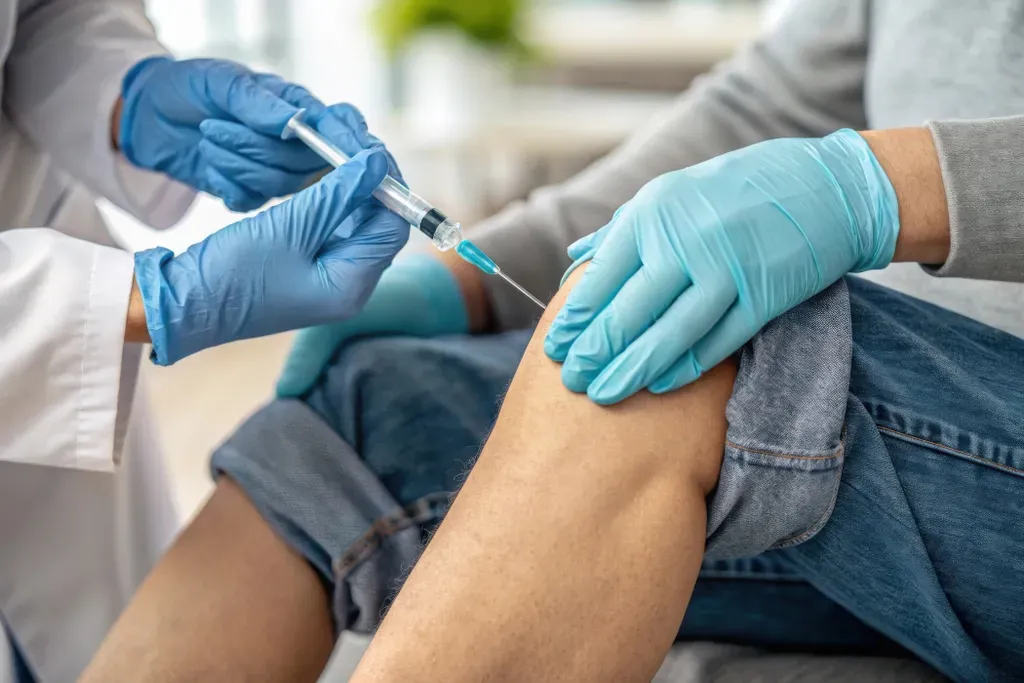
An interventional pain doctor utilizes real-time dynamic imaging—such as high-resolution musculoskeletal ultrasound—to visualize moving shoulder tendons, bursae, and nerves in real time. By delivering concentrated autologous Platelet-Rich Plasma (PRP) directly into partial tendon tears, or performing precision suprascapular nerve blocks to release frozen shoulder stiffness, interventional specialists provide effective non-surgical pain relief with minimal downtime and zero surgical incisions.
How an Image-Guided Shoulder Restoration Workflow Works: Step-by-Step
When shoulder pain and restricted range of motion persist despite rest and basic physiotherapy, interventional pain specialists follow a structured, safety-first clinical workflow to treat the exact source of discomfort:
- Clinical Mapping & Dynamic Ultrasound Evaluation: A comprehensive physical exam tests rotator cuff strength and joint range of motion. Live musculoskeletal ultrasound visualizes tendon fibers, bursal swelling, and joint impingement during active arm movement.
- Sterile Preparation & Local Anesthesia: The patient rests comfortably in an outpatient day-care procedure suite. The skin over the shoulder is thoroughly sterilized, and a local numbing agent is applied to ensure complete procedural comfort.
- Subacromial Aspiration or Hydrodilatation (When Indicated): If excess inflammatory fluid or severe capsular tightness (frozen shoulder) is present, live ultrasound guides gentle fluid release or capsular expansion to restore immediate joint space.
- Precision Regenerative or Nerve Block Delivery: Under continuous live ultrasound visualization, a micro-fine needle delivers concentrated autologous PRP growth factors directly into the partial tendon tear, or bathes the suprascapular nerve to quiet severe pain signals.
- Same-Day Discharge & Targeted Rehabilitation Roadmap: Following a brief 20-to-30-minute observation period, the patient returns home the same day without a rigid surgical sling and receives a progressive physical therapy plan to rebuild rotator cuff stability.
Comparing Surgical vs. Non-Surgical Shoulder Repair Costs & Options
Evaluating how much does a shoulder repair cost becomes much clearer when comparing surgical reconstruction alongside modern non-surgical interventional procedures.
Treatment & Cost Comparison Table
| Treatment Option | Primary Clinical Mechanism | Typical Recovery & Downtime | Relative Cost Range (Hyderabad) |
| Arthroscopic Rotator Cuff / Labral Surgery | Surgical reattachment of torn tendons to bone using suture anchors under anesthesia | 4 to 6 weeks in a sling; 4 to 6 months for full physical recovery | High (₹1,20,000 – ₹3,50,000+) |
| Ultrasound-Guided Platelet-Rich Plasma (PRP) | Injects concentrated autologous growth factors to support partial tendon healing naturally | Resumes light daily tasks in 24–48 hours; progressive gains over weeks | Moderate (₹15,000 – ₹45,000) |
| Suprascapular Nerve Block / Pulsed RFA | Desensitizes the primary sensory nerve supplying 70% of the shoulder joint capsule | Immediate outpatient discharge; rapid pain reduction for physiotherapy | Low to Moderate (₹10,000 – ₹35,000) |
| Ultrasound-Guided Bursa / Capsular Injection | Targeted anti-inflammatory or hydrodilatation delivery to calm severe bursitis or frozen shoulder | Walks out immediately; resumes normal arm movement within days | Low (₹6,000 – ₹15,000) |
Who Is Suitable for Non-Surgical Interventional Shoulder Care?
Recognizing your candidacy early helps you explore cost-effective biological preservation before a partial tendon tear progresses into a complete retraction.
You May Be a Candidate for Non-Surgical Care If:
- You experience persistent shoulder aching, night pain, or weakness when lifting your arm for longer than 4 to 6 weeks.
- Diagnostic MRI or ultrasound shows a partial-thickness rotator cuff tear, tendinosis, subacromial bursitis, or adhesive capsulitis (frozen shoulder).
- Oral anti-inflammatory medications cause stomach distress, acid reflux, or offer only short-lived symptom relief.
- You wish to avoid the high financial expense, surgical risks, and multi-month sling immobilization of open or arthroscopic surgery.
- Pain prevents you from participating effectively in prescribed shoulder strengthening exercises.
What to Expect: Before, During, and After an Interventional Shoulder Procedure
Knowing what happens during an image-guided outpatient treatment eases anxiety and helps you plan your recovery smoothly.
Before the Procedure
Your specialist will review your medical history, evaluate your shoulder biomechanics, and analyze your MRI or ultrasound scans. You will receive clear instructions regarding pre-procedure preparations and temporary adjustments to any blood-thinning or anti-inflammatory medications (as NSAIDs are paused prior to PRP therapy).
During the Procedure
- Outpatient Convenience: Procedures take place in a clean day-care suite, typically lasting only 20 to 40 minutes from start to finish.
- Minimal Discomfort: Local numbing medication is applied to the skin and superficial tissue layers beforehand, making needle advancement well tolerated.
- Live Precision Guidance: Real-time high-resolution ultrasound ensures therapeutic agents are delivered directly into the damaged tendon fibers or nerve sheath while protecting nearby blood vessels.
After the Procedure
- Same-Day Return Home: You can safely return home shortly after a brief post-procedure observation period without needing hospitalization.
- Quick Return to Daily Tasks: Most patients resume light, routine daily activities—such as typing or eating comfortably—within 24 to 48 hours.
- Guided Strengthening: Once localized pain subsides, targeted physical therapy strengthens the surrounding rotator cuff and scapular stabilizing muscles to prevent future strain.
Can I Avoid Shoulder Surgery with Non-Surgical Treatment?
For many patients diagnosed with partial rotator cuff tears, chronic tendinopathy, or severe frozen shoulder, avoiding surgery is both medically achievable and financially advantageous. While complete, full-thickness tendon ruptures with severe muscle retraction generally require surgical repair, partial tears and inflammatory joint conditions respond well to biological restoration.
By utilizing real-time ultrasound guidance to deliver concentrated PRP growth factors or calm hyperactive suprascapular nerves, an interventional specialist may significantly reduce shoulder pain and restore overhead reach—helping patients return to active living without undergoing surgery.
When Should You Consider Seeing an Interventional Pain Specialist in Hyderabad?
If you have been managing chronic pain for more than 6 weeks with limited relief from medication or physiotherapy, a consultation with a fellowship-trained interventional pain specialist is the logical next step. Dr. P. Purohithi at Apollo Hospital, Kondapur, Hyderabad, specialises in precisely diagnosing and treating the source of your pain using image-guided, minimally invasive techniques — without defaulting to surgery.
Holding prestigious international qualifications including FIPM (Fellowship in Interventional Pain Management) and IDRA (International Diploma in Regional Anesthesia), Dr. Purohithi serves as the lead specialist at Meraki Pain Management Center. By combining dynamic musculoskeletal ultrasound evaluations with targeted procedures—such as autologous PRP therapy, suprascapular nerve blocks, and capsular hydrodilatation—Dr. Purohithi creates individualized treatment plans tailored to resolve shoulder pain and protect your joint mobility.
When seeking a trusted pain clinic Hyderabad residents rely on, receiving a clear diagnostic evaluation is the first step toward lasting shoulder health.
Frequently Asked Questions
How much does a shoulder repair cost in Hyderabad without surgery?
Non-surgical interventional shoulder treatments in Hyderabad—such as ultrasound-guided Platelet-Rich Plasma (PRP) therapy, capsular hydrodilatation, or suprascapular nerve blocks—typically range from ₹10,000 to ₹45,000 INR, depending on the specific therapy required.
Why is arthroscopic shoulder surgery so much more expensive than interventional care?
Arthroscopic shoulder surgery involves operating theater charges, general anesthesia, specialized surgical suture anchors, and inpatient hospital stays, bringing total costs in Hyderabad to roughly ₹1,20,000 to ₹3,50,000 INR. Outpatient interventional procedures require no hospital admission or implants.
Can a partial rotator cuff tear heal without surgery?
Yes. Clinical experience suggests that partial-thickness rotator cuff tears and chronic tendinopathy often respond well to ultrasound-guided Platelet-Rich Plasma (PRP) therapy combined with targeted physical rehabilitation, allowing patients to avoid open or arthroscopic surgery.
Is ultrasound-guided PRP therapy painful for the shoulder?
No. Local anesthesia is applied to numb the skin and superficial tissues beforehand. Most patients report feeling only mild temporary pressure during the procedure and resume light daily activities within 24 to 48 hours.
How do I know if I need a pain specialist Kondapur?
If shoulder pain, night aching, or stiffness persists for longer than 4 to 6 weeks despite rest, painkillers, and basic physiotherapy, consulting an interventional pain specialist Kondapur can help identify targeted non-surgical options.
What is the difference between an orthopedic surgeon and an interventional pain doctor?
Orthopedic surgeons specialize in surgical structural reconstructions, such as reattaching completely torn tendons or replacing joints. An interventional pain management specialist Hyderabad focuses on diagnosing and treating joint, tendon, and nerve pain using minimally invasive, image-guided non-surgical procedures.
Does health insurance cover non-surgical shoulder pain procedures?
Insurance coverage varies depending on your policy terms. Many corporate and private health insurance plans cover image-guided day-care pain procedures when medically documented, while others reimburse diagnostic consultations and imaging.
How can I book a consultation with Dr. P. Purohithi at Meraki Pain Management Center?
You can schedule a thorough diagnostic evaluation with Dr. P. Purohithi at Meraki Pain Management Center, located within Apollo Hospital, Kondapur, Hyderabad, by calling +91 88856 23283 or booking online via the official clinic portal.

Reclaim Your Comfort and Protect Your Shoulder Mobility
Persistent shoulder pain should not force you to choose between living with daily discomfort or facing high surgical bills and months in a sling. Understanding how much does a shoulder repair cost across both surgical and non-surgical pathways empowers you to explore safe, image-guided options that target the root cause of your pain.
If you are considering non-surgical shoulder pain treatment in Hyderabad, Dr. P. Purohithi at Meraki Pain Management Center (Apollo Hospital, Kondapur) offers a thorough diagnostic consultation before any procedure is recommended.
Take control of your joint health and explore personalized non-surgical care options today.

Leave a Comment