

Table of Contents
What Are the Top 10 Pains in Hyderabad Known to Medicine? Understanding Severe Pain and Finding Relief
Understanding what are the top 10 pains recognized by modern pain medicine provides vital clarity for individuals navigating severe, unyielding body discomfort. Pain is your nervous system’s biological alarm, designed to protect you from harm. However, when neuropathic conditions, joint breakdown, or nerve entrapments trigger intense, unrelenting pain signals, daily life can become overwhelming.
For active adults, desk workers, and seniors across Hyderabad, severe chronic pain frequently disrupts employment, family life, and sleep. A desk worker dealing with chronic sciatica might struggle to sit through meetings, while a parent suffering from severe migraines or trigeminal neuralgia may miss precious moments with family. Many patients find themselves taking heavy daily pain medications, yet feeling as though their symptoms never truly resolve.
By exploring the physiological mechanics behind the most painful medical conditions, patients can move beyond temporary symptom management. Consulting an experienced pain management specialist Hyderabad opens access to precision diagnostic evaluations and targeted non-surgical pain relief options that quiet hyperactive nerve signals and restore long-term functional comfort.

What Are the Top 10 Pains in Medical Science?
What are the top 10 pains refers to a clinical classification of the most severe painful human conditions—including Complex Regional Pain Syndrome (CRPS), Trigeminal Neuralgia, Renal Colic (Kidney Stones), Sciatica, Cervicogenic Headaches, Cluster Headaches, Shingles (Post-Herpetic Neuralgia), Advanced Osteoarthritis, Phantom Limb Pain, and Rheumatoid Arthritis—evaluated by pain intensity, nerve involvement, and functional disruption.
According to clinical research and pain scales established by the International Association for the Study of Pain (IASP) and the Indian Society for the Study of Pain (ISSP), severe pain conditions fall into distinct neurological and musculoskeletal categories. Understanding whether pain stems from neuropathic nerve hypersensitivity or tissue inflammation is the first step toward effective treatment.
Detailed Breakdown of the Top 10 Pains
1. Complex Regional Pain Syndrome (CRPS)
Often rated highest on the McGill Pain Index, CRPS is a chronic neuropathic condition typically triggered by prior limb trauma, surgery, or nerve injury. It causes severe, burning or throbbing pain out of proportion to the initial injury, accompanied by skin temperature changes, swelling, and extreme sensitivity to touch (allodynia).
2. Trigeminal Neuralgia
Known colloquially as the “suicide disease” due to its sheer severity, trigeminal neuralgia involves compression or inflammation of the fifth cranial nerve. It produces sudden, excruciating, electric shock-like facial pain triggered by simple actions like brushing teeth, chewing, or feeling a gentle breeze against the cheek.
3. Renal Colic (Kidney Stones)
Renal colic occurs when a mineral stone becomes lodged within the ureter, causing smooth muscle spasms and urine back-up. This condition produces sudden, severe, sharp pain in the flank and lower back that radiates to the lower abdomen and groin, often accompanied by severe nausea.
4. Severe Sciatica (Lumbar Radiculopathy)
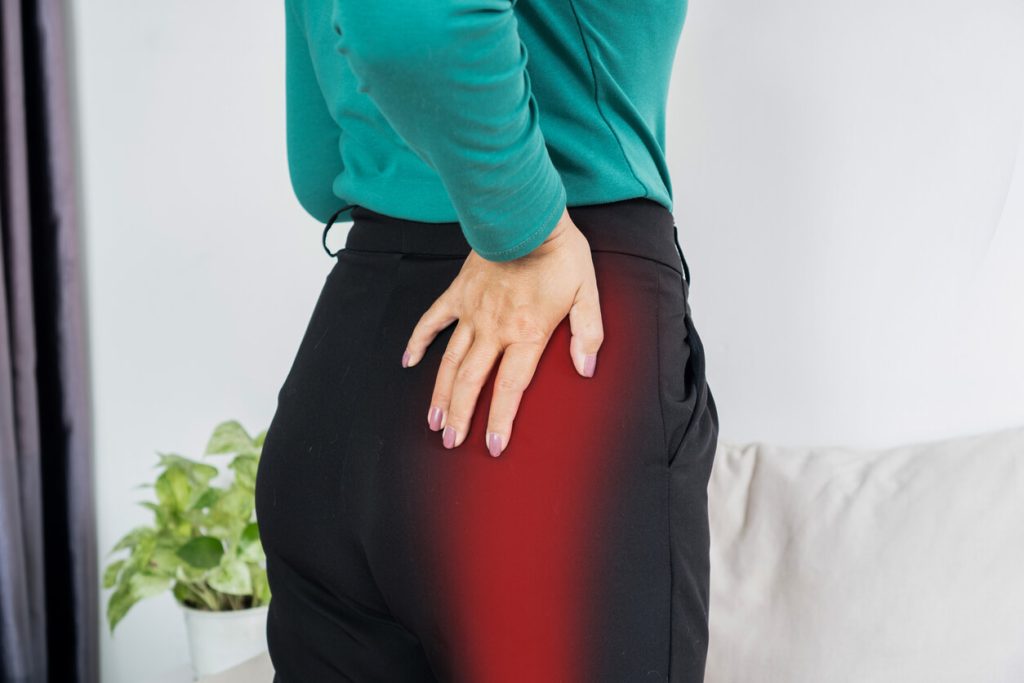
Sciatica develops when a herniated disc, bone spur, or spinal stenosis compresses the nerve roots forming the sciatic nerve in the lower back. It generates sharp, burning, or shooting pain traveling from the lower back through the buttock and down the leg into the foot.
5. Cluster Headaches
Cluster headaches cause intense, piercing, or burning pain localized behind or around one eye. Often striking at night, these attacks occur in cyclical series (clusters) and are frequently accompanied by eye redness, tearing, and nasal congestion on the affected side.
6. Post-Herpetic Neuralgia (Shingles Pain)
Following a reactivation of the varicella-zoster virus (shingles), nerve fibers in the skin can remain hyper-inflamed. This results in persistent, severe burning, stabbing, or electric pain along a nerve pathway (dermatome) that can last for months or years after the viral rash heals.
7. Cervicogenic Headaches & Occipital Neuralgia
Originating from joint wear or nerve entrapment in the upper cervical spine (C1–C3), these secondary headaches refer severe, dull, or throbbing pain from the base of the skull forward over the head, behind the eyes, or into the temples.
8. Advanced Knee and Hip Osteoarthritis
End-stage joint degeneration leads to total loss of protective articular cartilage, resulting in direct bone-on-bone friction. This produces persistent deep joint aching, severe morning stiffness, and catching pain that prevents comfortable walking or stair climbing.
9. Phantom Limb Pain
Following surgical amputation, hyperactive nerve endings at the stump site and altered somatosensory processing in the brain can create painful sensations that feel as though they originate in the missing limb, manifesting as burning, cramping, or twisting pain.
10. Acute Rheumatoid Arthritis Flare-Ups
An autoimmune disease where the body’s immune system attacks the synovial lining of joints, producing severe inflammatory swelling, joint warmth, stiffness, and intense throbbing pain across multiple small and large joints simultaneously.
How Is Interventional Pain Management Different from Standard Treatment?
Understanding what are the top 10 pains naturally leads to evaluating how interventional pain medicine provides a distinct advantage over routine pharmacological management and open surgery.
Traditional Pain Treatment vs. Interventional Pain Treatment
| Traditional Pain Treatment | Interventional Pain Treatment |
|---|---|
| Uses oral pain medications. | Targets the specific source of pain. |
| Medicines work throughout the body. | Treatments focus on the affected area. |
| May provide temporary pain relief. | Aims to reduce pain by targeting specific nerves or tissues. |
| May cause medication-related side effects. | May reduce the need for long-term medication in suitable patients. |
| Usually does not involve procedures. | Often uses imaging guidance for accurate treatment. |
Standard Pharmacological Management
Routine medical care for severe pain often relies on oral opioids, anti-inflammatory drugs (NSAIDs), muscle relaxants, or daily anticonvulsants. While helpful for temporary symptom relief, long-term oral pain medications can cause drowsiness, stomach ulcers, kidney strain, and risk of dependence. Furthermore, oral pills diffuse systemically throughout the entire body rather than concentrating directly on the single irritated nerve or joint driving your symptoms.
Major Surgical Operations
When pills fail, patients are sometimes told that major surgical operations—such as open spinal fusion, total joint replacement, or microvascular decompression—are their only remaining options. While surgery is critical for severe progressive structural collapse or spinal cord compression, open operations involve general anesthesia, tissue disruption, hospital stays, and lengthy recovery timelines.
The Interventional Specialty Approach
An interventional pain doctor utilizes dynamic, high-resolution imaging—such as musculoskeletal ultrasound and live C-arm fluoroscopy—to identify the exact anatomical generator of your pain. By delivering concentrated anti-inflammatory agents, autologous Platelet-Rich Plasma (PRP), or radiofrequency thermal energy directly to hyperactive nerves or joint capsules, interventional specialists provide effective, non-surgical pain relief with minimal procedural downtime and zero open surgical incisions.
How an Image-Guided Interventional Workflow Works
When severe pain persists despite rest and routine medications, interventional pain specialists follow a structured, safety-first clinical workflow to isolate and treat the exact source of your pain.
1.Step 1: Clinical Assessment & Imaging Evaluation:Locating the precise anatomical generator of pain.
A comprehensive physical evaluation assesses joint flexibility, nerve sensitivity, and range of motion. High-resolution MRI, CT, or musculoskeletal ultrasound scans are analyzed to identify structural abnormalities in joints, discs, or nerve trunks.
2.Step 2: Patient Positioning & Local Anesthesia:Ensuring complete patient comfort in an outpatient suite.
The patient rests comfortably in a specialized outpatient procedure suite. The skin over the targeted anatomical site is thoroughly sterilized, and a local numbing agent is applied to ensure procedural comfort.
3.Step 3: Real-Time Precision Image Guidance:Sub-millimeter needle guidance using live imaging.
Using continuous live fluoroscopy (C-arm X-ray) or high-definition ultrasound, the specialist advances a fine needle directly toward the targeted nerve sheath, facet joint capsule, or epidural space while avoiding blood vessels.
4.Step 4: Targeted Therapeutic Delivery or Radiofrequency Ablation:Calming inflammation or desensitizing nerve pathways.
A diagnostic contrast dye verifies needle location before delivering targeted anti-inflammatory agents, concentrated autologous PRP, or thermal radiofrequency energy to quiet hyperactive pain signals.
5.Step 5: Post-Procedure Recovery & Rehabilitation Plan:Same-day return home with a tailored rehab roadmap.
Following a brief 20-to-30-minute observation period in a recovery suite, the patient returns home the same day with a guided physical therapy plan to restore strength and joint mechanics.
Comparing Interventional Procedures for Severe Pain Conditions
Evaluating your options involves matching your specific pain condition with the appropriate interventional procedure.
Treatment Comparison Table
| Procedure Category | Target Anatomical Structure | Primary Medical Indication | Average Relief Duration |
| Radiofrequency Ablation (RFA) | Medial branch nerves, genicular nerves, or trigeminal branches | Facet joint arthritis, knee osteoarthritis pain, persistent neuralgia | Typically 6 to 18+ months |
| Epidural Steroid Injections (ESI) | Lumbar, thoracic, or cervical epidural space | Sciatica, herniated discs, spinal stenosis | Several weeks to several months |
| Ultrasound-Guided Peripheral Nerve Block | Occipital, suprascapular, or stellate ganglion nerves | Cervicogenic headaches, frozen shoulder, CRPS, facial pain | Rapid relief; weeks to months |
| Platelet-Rich Plasma (PRP) Therapy | Intra-articular joint space, tendons, supraspinous ligaments | Mild to moderate joint osteoarthritis, tendinopathy | Clinical experience suggests 6 to 18+ months |
Who Is Suitable for Interventional Pain Treatments?
Recognizing your candidacy early helps you access modern non-surgical care before chronic muscle guarding or nerve sensitization deepens.
You May Be a Candidate If:
- You experience severe localized, radiating, or nerve pain lasting longer than 4 to 6 weeks.
- Pain restricts your ability to walk comfortably, sit at a desk, work, or enjoy restful sleep.
- Oral painkillers cause stomach upset, acid reflux, elevated blood pressure, or mental fog.
- You wish to delay or avoid major open surgery through targeted non-surgical care.
- Routine rest, physical therapy, and basic medications have provided incomplete or short-term symptom relief.
What to Expect: Before, During, and After Treatment
Knowing what occurs during an image-guided outpatient procedure helps reduce anxiety and prepares you for a comfortable recovery.
Before the Procedure
Your specialist will review your full medical history, evaluate your mobility and pain maps, and analyze your diagnostic imaging scans. You will receive clear guidance regarding pre-procedure preparations and temporary adjustments to any blood-thinning medications if necessary.
During the Procedure
- Outpatient Comfort: Procedures take place in a clean day-care setting, usually taking only 15 to 30 minutes.
- Minimal Discomfort: Local anesthesia numbs the skin and superficial tissue pathways, making needle advancement well tolerated.
- Live Precision Guidance: Continuous ultrasound or fluoroscopy keeps needle guidance exact and away from non-targeted structures.
After the Procedure
- Same-Day Return Home: You can safely return home shortly after a brief recovery observation period.
- Rapid Return to Activity: Most patients resume light, routine daily activities within 24 to 48 hours.
- Targeted Rehabilitation: Guided physical exercises begin shortly after to strengthen surrounding stabilizing muscles and maintain long-term functional recovery.
When Should You Consider Seeing an Interventional Pain Specialist in Hyderabad?
If you have been managing chronic pain for more than 6 weeks with limited relief from medication or physiotherapy, a consultation with a fellowship-trained interventional pain specialist is the logical next step. Dr. P. Purohithi at Apollo Hospital, Kondapur, Hyderabad, specialises in precisely diagnosing and treating the source of your pain using image-guided, minimally invasive techniques — without defaulting to surgery.
Holding prestigious international credentials including FIPM (Fellowship in Interventional Pain Management) and IDRA (International Diploma in Regional Anesthesia), Dr. Purohithi serves as the lead specialist at Meraki Pain Management Center. By combining precise diagnostic evaluations with live fluoroscopic and ultrasound guidance for radiofrequency ablation, nerve blocks, epidural steroid injections, and regenerative PRP therapy, Dr. Purohithi creates individualized treatment plans tailored to resolve severe pain and restore your daily mobility.
When seeking a trusted pain clinic Hyderabad residents rely on, receiving an accurate diagnostic evaluation is the first step toward lasting health.

Frequently Asked Questions
What is the most painful condition known to medical science?
Complex Regional Pain Syndrome (CRPS) and Trigeminal Neuralgia are widely considered among the most severe painful conditions on the McGill Pain Index due to intense nerve hypersensitivity.
Is radiofrequency ablation safe for managing severe pain?
Yes. When performed by a fellowship-trained interventional pain doctor using real-time fluoroscopic or ultrasound guidance, radiofrequency ablation is a safe, outpatient procedure with a high safety profile.
How long does relief from an interventional nerve block last?
Relief duration depends on the procedure type and underlying condition. Diagnostic nerve blocks last several hours to days, while therapeutic injections or radiofrequency ablation can provide relief for several months to over a year.
How do I know if I need a pain management specialist?
If severe body, nerve, joint, or head pain lasts longer than 4 weeks, restricts daily work, or fails to improve after standard care, consulting a pain management specialist Hyderabad is recommended.
How do I know if I need a pain specialist Kondapur?
If severe pain interferes with your ability to walk, sleep, or perform daily duties despite taking oral medications, consulting an interventional pain specialist Kondapur can help identify non-surgical options.
What is the difference between an orthopedic surgeon and an interventional pain doctor?
Orthopedic surgeons focus primarily on open surgical joint repairs and replacements under general anesthesia. An interventional pain specialist focuses on non-surgical, image-guided procedures to relieve pain while preserving native joint and spine structures.
Can interventional pain procedures help me avoid major surgery?
In many cases, yes. By accurately targeting the anatomical pain generator with image-guided injections, PRP therapy, or nerve ablation, interventional procedures effectively control pain, helping patients delay or avoid open surgery.
How can I book a consultation with Dr. P. Purohithi at Meraki Pain Management Center?
You can schedule an evaluation with Dr. P. Purohithi at Meraki Pain Management Center, located within Apollo Hospital, Kondapur, Hyderabad, by calling +91 88856 23283 or booking online via the official clinic portal.
Reclaim Your Comfort and Live Pain-Free
Living with severe chronic pain should not force you to choose between taking daily oral pills or undergoing major open surgery. Understanding what are the top 10 pains opens the door to safe, image-guided procedures designed to target the true anatomical source of your pain.
If you are seeking expert non-surgical pain treatment in Hyderabad, Dr. P. Purohithi at Meraki Pain Management Center (Apollo Hospital, Kondapur) offers a thorough diagnostic consultation before recommending any procedure.
Take control of your health and explore advanced non-surgical treatment options today.

Leave a Comment