
Table of Contents
What Are the First Signs of Hip Bursitis? A Patient’s Guide to Early Recognition and Relief
Recognizing the first signs of hip bursitis is the critical first step toward preventing a minor joint irritation from turning into a debilitating, chronic pain condition. When a sharp or aching pain develops along the outer point of your hip, simple daily movements—such as lying on your side at night, getting out of a low chair, or climbing a flight of stairs—can suddenly become challenging and uncomfortable.
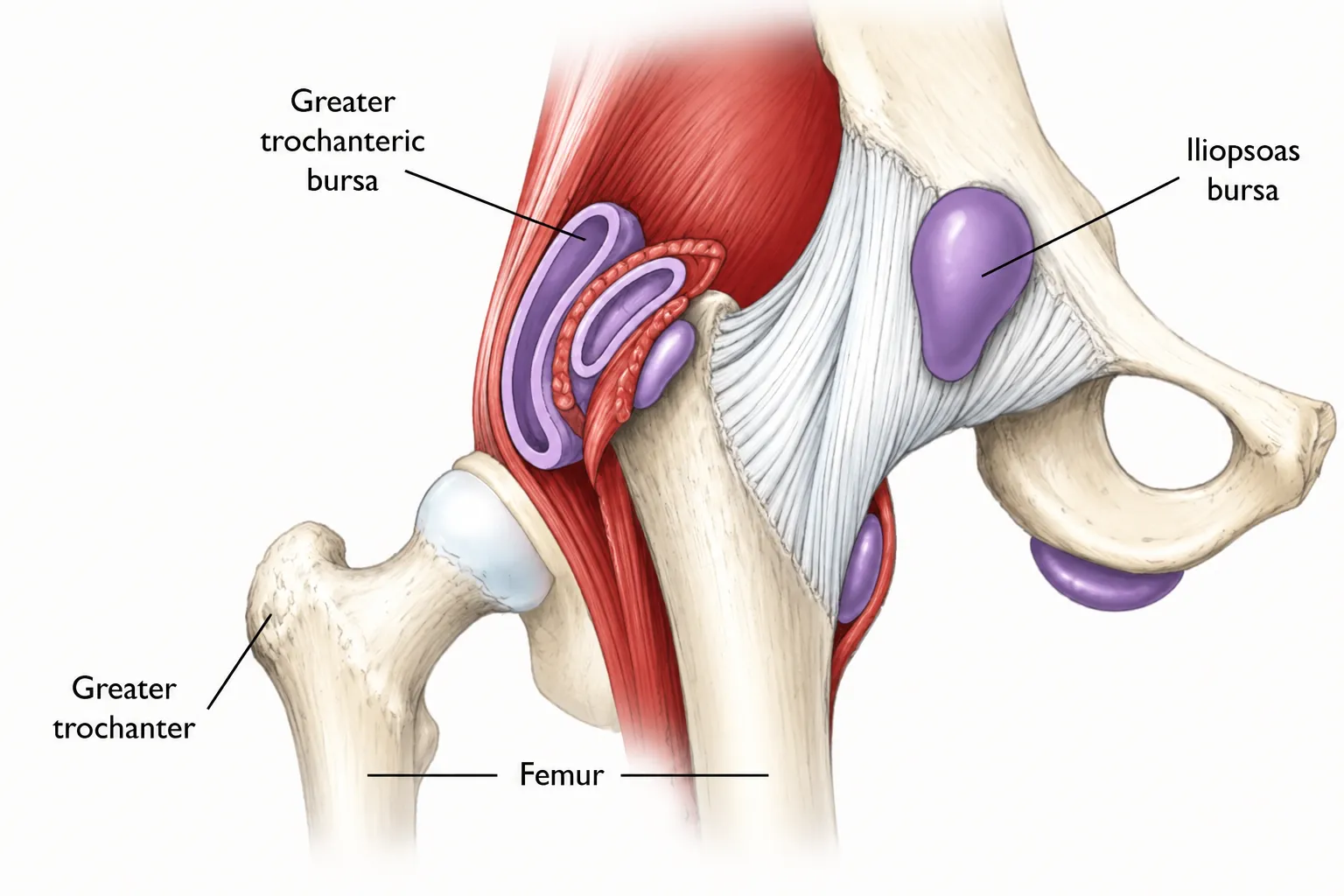
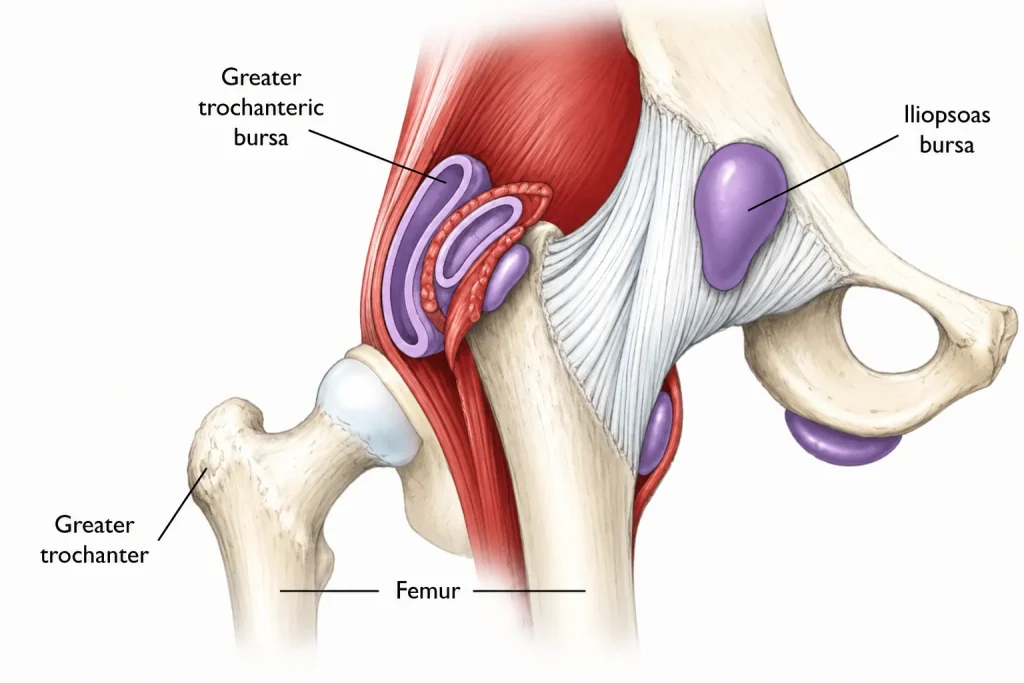
For many active adults, runners, and desk workers across Hyderabad, outer hip pain is often brushed off as simple muscle tightness or fatigue. However, persistent tenderness over the bony bump of the outer hip (the greater trochanter) frequently signals inflammation within the fluid-filled sacs that protect your joint tendons from bone friction.
Left unmanaged, early bursitis can lead to gait compensation, lower back strain, and sleep disruption. Understanding the early warning signs, anatomical mechanisms, and modern non-surgical pain relief options empowers you to take action before structural tendon breakdown occurs.
What Is Hip Bursitis?
Hip bursitis—most commonly trochanteric bursitis or Greater Trochanteric Pain Syndrome (GTPS)—is an inflammatory pain condition affecting the small, fluid-filled sacs (bursae) located between the greater trochanter bone of the femur and the overlying gluteal tendons and iliotibial (IT) band. It causes localized tenderness, stiffness, and aching along the outer hip.
According to clinical standards established by the International Association for the Study of Pain (IASP) and the Indian Society for the Study of Pain (ISSP), hip bursitis rarely exists in total isolation. It is frequently associated with micro-tears or overload in the surrounding gluteus medius and minimus tendons, creating an inflammatory cascade across the lateral hip complex.
Recognizing the First Signs of Hip Bursitis
Identifying the first signs of hip bursitis early allows for prompt medical evaluation and targeted intervention before deep tissue inflammation hardens into chronic scar tissue.
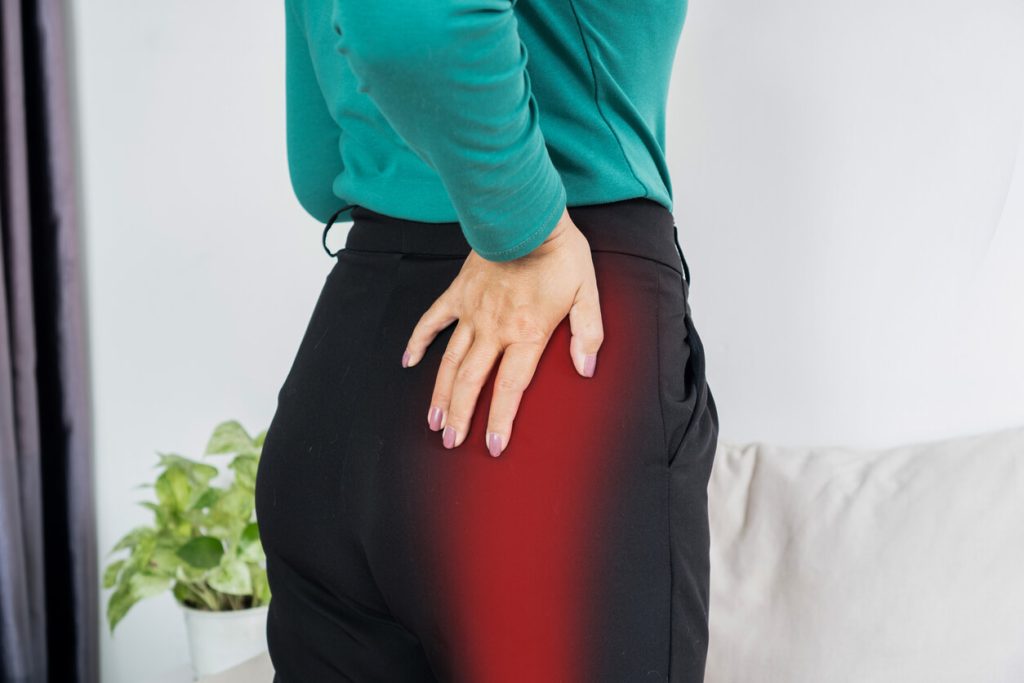
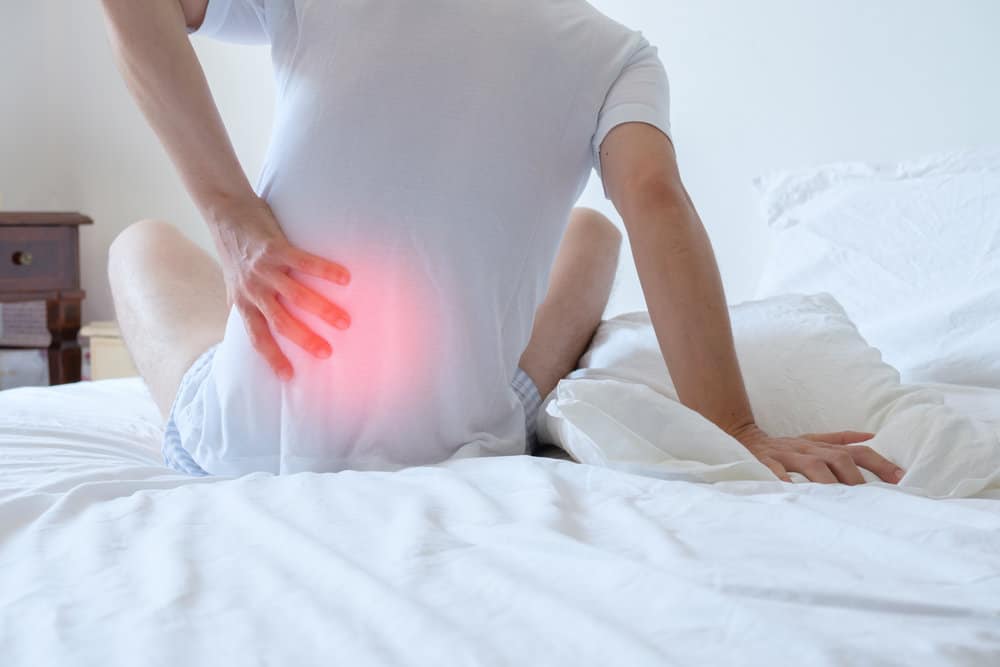
- Sharp Pain on the Outer Bony Point: The earliest symptom is usually a localized, sharp or tender pain directly over the outer side of the hip joint that feels worse when pressed.
- Nighttime Pain When Lying on the Affected Side: Difficulty sleeping because direct pressure on the inflamed bursa triggers a dull, throbbing ache that wakes you up.
- Stiffness After Prolonged Sitting: A feeling of joint tightness or aching when standing up after sitting at a desk or driving for long periods.
- Pain Worse with Repetitive Movements: Increased aching during repetitive hip flexion and extension, such as walking up stairs, cycling, or brisk walking.
- Radiation Down the Outer Thigh: Over time, the localized sharp pain develops into a broader, dull ache that travels down the outer thigh toward the knee.
How Is Interventional Care Different from Standard Treatment?
Understanding the first signs of hip bursitis naturally leads to evaluating your treatment options. Interventional pain medicine bridges the gap between basic conservative care and major surgical operations.
Standard Conservative Care
Initial home care usually consists of rest, ice packs, oral non-steroidal anti-inflammatory drugs (NSAIDs), and basic stretching. While oral pills can dull mild pain temporarily, long-term use risks stomach ulcers, acid reflux, and kidney strain. Furthermore, oral medications disperse throughout the whole body rather than concentrating directly on the inflamed bursa.
Open Surgical Options
Surgical bursa removal (bursectomy) or tendon repair is considered an extreme last resort. Major surgery involves general anesthesia, tissue incision, hospital stays, and lengthy postoperative rehabilitation. The vast majority of hip bursitis cases do not require open surgery.
The Interventional Specialty Approach
An interventional pain doctor uses real-time high-resolution ultrasound imaging to visualize the exact bursa and surrounding gluteal tendons. Targeted treatments—such as ultrasound-guided bursa aspiration, precision corticosteroid injections, or regenerative Platelet-Rich Plasma (PRP) therapy—deliver powerful anti-inflammatory or healing agents directly into the inflamed sac with sub-millimeter precision. This provides effective, non-surgical relief with zero surgical downtime.
How Interventional Hip Treatments Work: Step-by-Step
When outer hip pain resists rest and basic physical therapy, image-guided procedures offer a precise way to calm tissue inflammation and promote healing.
1.Step 1: Clinical Assessment & Ultrasound Mapping:Locating the exact site of bursal fluid buildup.
A pain specialist performs physical stress tests on the hip and uses high-frequency musculoskeletal ultrasound to visualize bursal swelling, fluid accumulation, and tendon continuity in real time.
2.Step 2: Skin Sterilization & Local Anesthesia:Ensuring complete patient comfort during care.
The patient lies comfortably on their uninjured side. The outer hip skin is thoroughly sterilized, and a local numbing agent is applied to ensure complete comfort.
3.Step 3: Real-Time Ultrasound Needle Guidance:Sub-millimeter accuracy under dynamic visualization.
Using continuous live ultrasound imaging, the specialist advances a micro-fine needle precisely into the trochanteric bursa, completely avoiding nearby nerves and major blood vessels.
4.Step 4: Fluid Aspiration & Targeted In Situ Delivery:Calming inflammation or stimulating tissue repair.
If excess inflammatory fluid is present, it is gently aspirated. The specialist then injects a targeted anti-inflammatory agent or concentrated Platelet-Rich Plasma (PRP) to calm the bursa and surrounding tendons.
5.Step 5: Post-Procedure Recovery & Functional Rehab Plan:Immediate evaluation and post-care rehabilitation plan.
After a brief 15-to-30-minute observation period, the patient receives clear post-procedure guidelines and a customized physical therapy plan to strengthen hip abductor muscles.
Comparing Non-Surgical Treatment Options for Hip Bursitis
Choosing the right treatment path depends on your pain duration, bursa swelling, and whether underlying tendon damage is present.
Treatment Comparison Table
| Procedure Category | Primary Mechanism | Best Candidates | Expected Relief Duration |
| Ultrasound-Guided Bursa Steroid Injection | Direct delivery of potent anti-inflammatory medication into the swollen bursa sac | Acute trochanteric bursitis, severe nighttime pain, high inflammation | 3 to 6+ months |
| Platelet-Rich Plasma (PRP) Therapy | Injection of autologous growth factors to repair surrounding gluteal tendon micro-tears | Chronic GTPS, gluteal tendinopathy, recurrent bursitis | Clinical experience suggests long-term relief (months to years) |
| Bursal Fluid Aspiration | Drainage of excess inflammatory fluid buildup under ultrasound guidance | Distended bursa with noticeable fluid accumulation | Immediate pressure reduction |
| Extracorporeal Shockwave Therapy (ESWT) | Acoustic sound waves applied externally to break down calcifications and stimulate blood flow | Chronic tendon stiffness, mild recalcitrant bursitis | Progressive relief over 6 to 12 weeks |
Who Is Suitable for Interventional Hip Bursitis Treatment?
Knowing when to seek specialist evaluation prevents long-term walking compensation and secondary back pain.
You May Be a Candidate If:
- You have experienced outer hip pain or tenderness for longer than 4 to 6 weeks.
- Lying on your affected side severely disrupts your sleep quality night after night.
- Walking, climbing stairs, or standing up from a chair causes sharp, limiting hip pain.
- Oral anti-inflammatory pills cause stomach upset or fail to provide lasting relief.
- You wish to avoid open surgery and want an image-guided, non-surgical treatment solution.
What to Expect: Before, During, and After Treatment
Understanding the treatment process helps relieve anxiety and prepares you for a smooth recovery.
Before the Procedure
Your specialist will review your medical history, examine your hip range of motion, and evaluate any previous X-ray or MRI scans. You will receive clear guidance regarding pre-procedure preparations and any temporary medication adjustments.
During the Procedure
- Comfortable Setup: Performed in a clean outpatient day-care setting, the procedure usually takes only 15 to 20 minutes.
- Minimal Discomfort: Local anesthetic numbs the skin and superficial tissue pathways, making needle guidance well tolerated.
- Continuous Precision: Live ultrasound guidance ensures absolute accuracy, placing therapeutic agents directly into the bursa.
After the Procedure
- Same-Day Discharge: You can safely return home shortly after a brief recovery check.
- Rapid Relief: Significant reduction in pain and swelling typically occurs within a few days, allowing for comfortable sleep.
- Guided Physical Rehabilitation: Targeted physical therapy begins shortly after to strengthen gluteal muscles and correct gait mechanics, preventing future bursitis recurrences.
When Should You Consider Seeing an Interventional Pain Specialist?
If you have been managing chronic hip pain for more than 6 weeks with limited relief from medication or physiotherapy, a consultation with a fellowship-trained interventional pain specialist is the logical next step. Dr. P. Purohithi at Apollo Hospital, Kondapur, Hyderabad, specialises in precisely diagnosing and treating the source of your pain using image-guided, minimally invasive techniques—without defaulting to surgery.
Holding prestigious international credentials including FIPM (Fellowship in Interventional Pain Management) and IDRA, Dr. Purohithi serves as the lead specialist at Meraki Pain Management Center. By utilizing real-time ultrasound guidance for precision bursa injections, fluid aspiration, and regenerative PRP therapy, Dr. Purohithi creates individualized treatment plans tailored to restore hip mobility and sleep comfort.
When searching for a trusted pain clinic Hyderabad residents depend on, getting an accurate diagnosis early is the key to preventing chronic tendon breakdown.
Frequently Asked Questions
What are the first signs of hip bursitis I shouldn’t ignore?
The earliest signs include sharp tenderness directly over the outer hip bone, pain when lying on that side at night, stiffness after sitting, and aching that worsens when climbing stairs.
Can hip bursitis go away on its own?
Mild, acute bursitis caused by minor temporary strain may resolve with rest, ice, and activity modification. However, persistent bursitis lasting longer than 4 weeks usually requires medical evaluation to address underlying tendon strain or biomechanical imbalance.
Is an ultrasound-guided hip injection painful?
No. Local anesthesia is used to numb the skin and tissue layers beforehand. Most patients feel only a minor pinch or brief pressure as the fine needle reaches the bursa under live ultrasound guidance.
How long does a steroid injection for hip bursitis last?
Relief duration varies depending on individual inflammation levels, but ultrasound-guided bursa injections typically provide significant pain relief lasting from 3 to 6 months or longer, creating a window for physical therapy.
How do I know if I need a pain specialist Kondapur?
If outer hip pain keeps you awake at night, limits your daily walking, or fails to improve after 4 weeks of basic care, consulting an interventional pain doctor can help identify targeted non-surgical solutions.
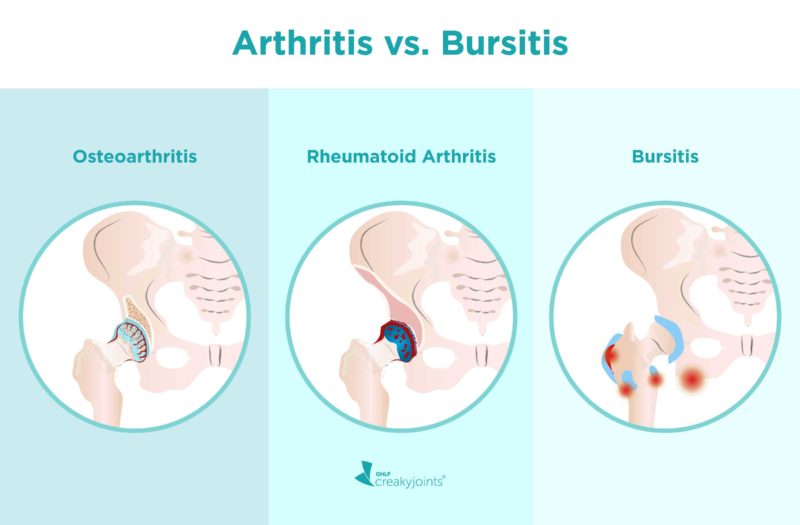
What is the difference between hip arthritis and hip bursitis?
Hip arthritis causes deep groin pain and joint stiffness inside the front of the hip. Hip bursitis causes sharp, superficial tenderness on the outer side of the hip bone that hurts when pressed or when lying on that side.
Can PRP therapy treat chronic hip bursitis?
Yes. When trochanteric bursitis is accompanied by chronic gluteal tendinopathy or tendon micro-tears, ultrasound-guided Platelet-Rich Plasma (PRP) therapy delivers concentrated growth factors to stimulate natural tissue repair.
How can I book a consultation with Dr. P. Purohithi at Apollo Hospital Kondapur?
You can schedule a comprehensive hip evaluation with Dr. P. Purohithi at Meraki Pain Management Center, located within Apollo Hospital, Kondapur, Hyderabad, by calling +91 88856 23283 or booking online via the official website.
Reclaim Your Sleep and Walk Without Hip Pain
Living with persistent outer hip pain drains your energy and interrupts restful sleep. Recognizing the first signs of hip bursitis allows you to access safe, image-guided care designed to resolve inflammation and restore painless movement.
If you are considering non-surgical hip pain treatment in Hyderabad, Dr. P. Purohithi at Meraki Pain Management Center (Apollo Hospital, Kondapur) offers a thorough diagnostic consultation before any procedure is recommended.


Leave a Comment