
Table of Contents
When Should You See a Pain Management Doctor? A Patient Guide to Timely Relief
Living with persistent physical discomfort can quietly drain your energy, restrict your independence, and affect every dimension of your daily routine. Whether it is a desk worker enduring constant low back stiffness, a grandparent whose knee pain prevents them from walking with family, or a professional missing work due to severe migraines, pain has a way of taking over your life.
Many individuals suffer silently for months—or even years—assuming that aches are an inevitable part of aging, a consequence of daily stress, or something they simply have to “learn to live with.” Knowing precisely when should you see a pain management doctor can prevent temporary tissue irritation from turning into a complex chronic condition.
Consulting an interventional pain physician does not mean you are out of options or heading straight toward major surgery. Instead, it opens the door to specialized diagnostic clarity and advanced, non-surgical treatments tailored to the exact source of your pain.

What Is an Interventional Pain Management Specialist?
Before recognizing the signs that warrant a specialist consultation, it is helpful to understand what an interventional pain doctor actually does. Unlike primary care physicians who manage general health or surgeons who focus on structural operations, an interventional pain specialist focuses on diagnosing and treating pain at its precise anatomical source using minimally invasive, image-guided techniques.
+-----------------------------------------------------------------------------+
|                     SNIPPET DEFINITION & DIRECT ANSWER                      |
|                                                                             |
| You should see a pain management doctor if your pain lasts longer than 4 to |
| 6 weeks, fails to improve with rest or oral medication, disrupts sleep or   |
| daily mobility, or involves neuropathic symptoms like burning, tingling, or |
| shooting sensations. Early specialist care prevents chronic nerve changes.  |
+-----------------------------------------------------------------------------+
Interventional pain medicine aligns with guidelines established by the International Association for the Study of Pain (IASP) and the Indian Society for the Study of Pain (ISSP). Specialists focus on restoring functional mobility, reducing reliance on high-dose oral painkillers, and helping patients avoid unnecessary open surgery whenever possible.
Key Signs It Is Time to Consult a Pain Management Specialist
Knowing when to transition from basic home remedies or general medical checkups to a specialized pain clinic can save months of frustration. Here are the primary indicators that signal it is time for an expert evaluation:
+-----------------------------------------------------------------------------+
|                   INDICATORS FOR SPECIALIST EVALUATION                      |
|                                                                             |
| [ Persistent Timeline ] ------> Pain lingers past 4 to 6 weeks              |
| [ Neuropathic Features ] ----> Burning, tingling, electric shocks, numbness |
| [ Functional Limitation ] ----> Cannot walk, sit, sleep, or work comfortably|
| [ Medication Plateau ] ------> Oral pain relievers offer little or no relief|
+-----------------------------------------------------------------------------+
1. Pain Persists Beyond 4 to 6 Weeks
Acute pain from a minor muscle strain or minor joint sprain typically improves within a few weeks as tissue heals. If discomfort lingers beyond 4 to 6 weeks, or extends past 3 months, it has crossed into chronic pain territory, requiring specialized neurological and structural assessment.
2. Standard Oral Medications No Longer Provide Relief
Relying continuously on over-the-counter painkillers or anti-inflammatory drugs can mask symptoms without fixing the root cause—while potentially straining your stomach, kidneys, or liver over time. When oral medications stop providing meaningful relief, a targeted intervention is needed.
3. Presence of Neuropathic (Nerve) Symptoms
Pain caused by nerve compression or irritation feels distinctly different from standard muscle soreness. If you experience any of the following sensory changes, a pain specialist should evaluate you:
- Sharp, electric shock-like shooting sensations down your arm or leg (sciatica).
- Persistent burning sensations near a surgical scar, joint, or spine.
- Numbness, loss of temperature sensation, or pins-and-needles tingling in your hands or feet.
4. Pain Disrupts Essential Daily Functions
When joint or spine discomfort prevents a desk worker from sitting comfortably, keeps a runner from exercising, or wakes you up multiple times every night, pain is actively disrupting your nervous system and overall health.
5. You Want to Explore Options Before Considering Surgery
If you have been told that open surgery or joint replacement is your only remaining option, consulting an interventional pain doctor provides a valuable second opinion. Many spinal and joint conditions can be managed effectively using targeted, image-guided procedures.
Comparing Care Options: General Practitioner vs. Pain Specialist vs. Surgeon
Navigating the healthcare system can feel confusing when deciding which medical professional to see for persistent pain. The comparison table below highlights the distinct roles of each discipline:
| Feature | General Practitioner (GP) | Interventional Pain Specialist | Orthopedic / Spine Surgeon |
| Primary Focus | General health, initial triage, basic medication management | Precision diagnosis and non-surgical targeted procedures | Surgical reconstruction, joint replacement, structural repair |
| Diagnostic Approach | Physical exam, standard blood tests, basic X-rays | High-resolution ultrasound, dynamic imaging, diagnostic nerve blocks | Static MRI scans, CT scans, surgical structural criteria |
| Treatment Arsenal | Oral painkillers, anti-inflammatories, referral to physio | Image-guided nerve blocks, hydrodissection, PRF, PRP therapy | Open or minimally invasive structural surgery |
| Anesthesia Used | None | Local anesthesia (outpatient, ambulatory setting) | Regional or general anesthesia |
| Recovery Period | Immediate | Typically 24 to 48 hours for procedure recovery | Weeks to months of post-operative rehabilitation |
How Interventional Pain Doctors Diagnose Pain
One of the biggest reasons standard treatments fail is that physical examinations and static MRI scans do not always capture dynamic nerve irritation or micro-joint inflammation. An interventional pain doctor utilizes precision diagnostic techniques to map your pain accurately:
+-----------------------------------------------------------------------------+
|                   PRECISION DIAGNOSTIC FLOWCHART                            |
|                                                                             |
| [ Clinical History & Mapping ] --> Identifies pain pattern and triggers     |
|                                            |                                |
|                                            v                                |
| [ High-Res Dynamic Ultrasound ] --> Visualizes soft tissues and nerves live |
|                                            |                                |
|                                            v                                |
| [ Targeted Diagnostic Block ] ---> Micro-dose local anesthetic test         |
|                                            |                                |
|                                            v                                |
| [ Verified Anatomical Target ] --> Confirms precise origin before treatment |
+-----------------------------------------------------------------------------+
- High-Resolution Ultrasound Evaluation: Allows real-time visualization of soft tissues, tendons, ligaments, and peripheral nerve pathways while moving the painful joint or limb.
- Fluoroscopic Guidance: Live X-ray technology ensures that therapeutic interventions in the spine or deep joints are placed with millimeter accuracy.
- Diagnostic Precision Blocks: Delivering a micro-dose of short-acting local anesthetic precisely around a suspect nerve or joint. If pain vanishes immediately, the exact generator is confirmed.
Modern Non-Surgical Treatment Options You Should Know About
When you consult an interventional pain specialist, a wide range of advanced, non-surgical procedure options become available to manage discomfort and promote tissue recovery:
1.1. Image-Guided Targeted Nerve Blocks: Interrupting inflammatory signals at specific nerve branches.
Delivering anti-inflammatory medication and local anesthetic directly to irritated spinal or peripheral nerves under live ultrasound or fluoroscopic guidance to calm acute pain loops.
2.2. Ultrasound-Guided Nerve Hydrodissection: Releasing physical nerve compression without scalpel incisions.
Using a gentle stream of sterile fluid under high-resolution ultrasound to separate compressed peripheral nerves from tight, surrounding scar tissue or tight fascial layers.
3.3. Pulsed Radiofrequency (PRF) Neuromodulation: Calming hyperactive sensory nerve firing for long-term comfort.
Applying targeted electrical field energy to sensory nerve fibers supplying painful facet joints or peripheral areas, calming pain transmission without destroying nerve tissue.
4.4. Regenerative Medicine (Platelet-Rich Plasma / PRP): Stimulating natural biological repair in joints and tendons.
Concentrating growth factors from the patient’s own blood and injecting them under image guidance into damaged tendons, ligaments, or early arthritic joints to promote healing.
Clinical Excellence in Hyderabad: Dr. P. Purohithi at Meraki Pain Management Center
For patients seeking expert pain evaluation and advanced non-surgical treatments in Hyderabad, Dr. P. Purohithi provides comprehensive, compassionate, image-guided care.
Dr. Purohithi leads the Meraki Pain Management Center, located within Apollo Hospital, Kondapur, Hyderabad.
Holding prestigious international and national credentials, including a Fellowship in Interventional Pain Management (FIPM) and In-plane Ultrasound-Guided Regional Anesthesia (IDRA), Dr. Purohithi specializes in accurately pinpointing pain generators and delivering personalized treatment plans.
At Apollo Hospital, Kondapur, patients benefit from state-of-the-art diagnostic imaging, modern procedure suites, and an empathetic care environment focused on helping individuals regain active, fulfilling lives without unnecessary surgery or long-term drug dependency.
What to Expect During Your First Pain Specialist Consultation
If you have felt nervous about booking a consultation, knowing what happens during your first visit can put your mind at ease:
1.1. Comprehensive Medical & Pain History Review:Reviewing pain history, triggers, and previous medical tests.
Your specialist conducts an in-depth conversation about your pain history, daily activities, previous surgeries, and medications tried, mapping out your exact symptoms.
2.2. Targeted Physical & Neurological Examination:Evaluating nerve sensitivity, posture, and joint movement.
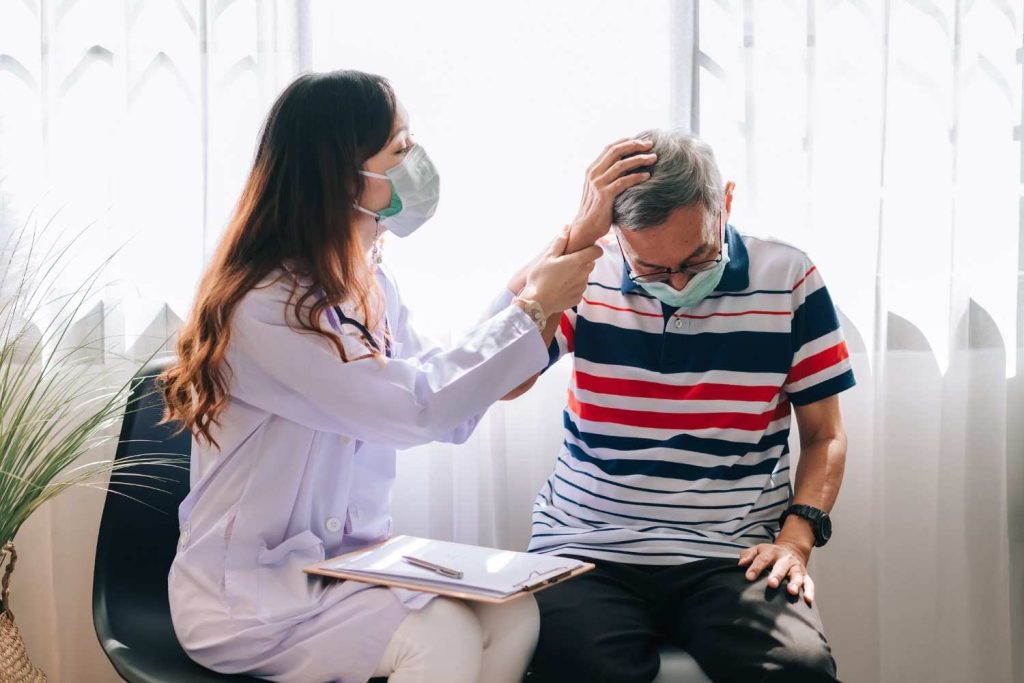
A gentle physical assessment checks your range of motion, muscle strength, nerve reflexes, and localized points of tenderness.
3.3. In-Clinic Dynamic Ultrasound Assessment:Visualizing soft tissues and nerves in real time.
If needed, high-resolution ultrasound is used right in the clinic to view soft tissues, tendons, and nerve pathways in motion.
4.4. Collaborative Treatment Plan Formulation:Designing a tailored non-surgical recovery plan.
Your doctor discusses clear, non-surgical treatment options—such as image-guided blocks, hydrodissection, or physiotherapy integration—answering all your questions.
Practical Checklist: How to Prepare for Your Appointment
Taking a few simple steps before your appointment helps your specialist gain a complete understanding of your condition:
- Keep a Pain Diary: Document pain intensity, time of day it flares, and specific activities that trigger or relieve it for 3 to 5 days prior to your visit.
- Bring Past Imaging & Reports: Gather all past X-rays, MRI scans, CT reports, and blood work results.
- List Current Medications: Write down all prescription drugs, over-the-counter painkillers, and nutritional supplements you currently take.
- Note Down Your Questions: List specific goals you hope to achieve, such as walking comfortably, returning to work, or improving sleep quality.
Frequently Asked Questions
How do I know if I need a pain management specialist?
If your pain lasts longer than 4 to 6 weeks, does not improve with standard painkillers or rest, involves burning, tingling, or shooting sensations, or disrupts your daily sleep and work, consulting a pain specialist is recommended.
Is interventional pain management painful?
Most interventional pain procedures are minimally invasive and performed under local anesthesia. Patients typically experience minimal discomfort—often just a mild pinch during skin numbing—and return home the same day.
Can PRP therapy or nerve blocks help avoid knee replacement surgery?
For patients with early-to-moderate knee osteoarthritis or localized nerve pain, image-guided PRP therapy, viscosupplementation, or radiofrequency ablation of sensory genicular nerves can significantly reduce pain and improve mobility, often delaying or helping avoid major surgery.
How long does relief from radiofrequency ablation last?
Pulsed or thermal radiofrequency ablation typically provides substantial pain relief lasting between 6 to 18 months or longer, depending on individual nerve regeneration rates and the specific joint or spine area treated.
How much does a diagnostic nerve block cost in Hyderabad?
The cost of an image-guided nerve block varies depending on the specific nerve target, guidance equipment required (ultrasound or fluoroscopy), and facility settings. Exact estimates are shared transparently following your initial consultation at Meraki Pain Management Center.
Can elderly patients safely receive interventional pain procedures?
Yes. Interventional pain procedures are performed under local anesthesia without open surgical incisions, making them well-tolerated and generally safe for elderly individuals who may not be suitable candidates for major surgery.
How do I book a consultation with Dr. Purohithi at Apollo Hospital, Kondapur?
You can schedule an evaluation with Dr. P. Purohithi by calling +91 88856 23283 or visiting https://drpurohithi.com/.

Take Control of Your Health and Wellbeing Today
You do not have to settle for living in constant discomfort or waiting for pain to worsen. Knowing when should you see a pain management doctor empowers you to seek timely, expert care before nerve changes become deeply ingrained.
Specialized diagnostic clarity and non-surgical relief options are available at Meraki Pain Management Center, Apollo Hospital, Kondapur, Hyderabad.


Leave a Comment