
Table of Contents
What Is the Best Natural Remedy for Nerve Pain? A Complete Medical Guide
If you are currently asking yourself, “What is the best natural remedy for nerve pain?“, you are likely dealing with persistent burning, tingling, electric shock-like sensations, or numbness that disrupts your daily routine. Nerve irritation (neuropathic pain) can feel fundamentally different from a typical muscle ache or joint bruise. It often strikes unexpectedly—waking you up at night with sharp shooting pains in your feet, or creating a constant burning sensation down your leg while sitting at a desk.
For working professionals, IT employees, and active adults across Hyderabad, neuropathic symptoms can turn routine activities into exhausting challenges. A desk worker with a pinched lumbar nerve may struggle to focus through an afternoon meeting, while someone with peripheral neuropathy might find even a evening walk uncomfortable.
Many people turn to natural self-care measures, lifestyle adjustments, and nutritional supplements as a safe first step. While evidence-based natural care provides essential baseline support for nerve cell metabolic health, severe structural compression or persistent nerve inflammation requires precise evaluation. Combining natural self-care with modern non-surgical pain relief options allows you to calm hyperactive pain signaling pathways and address the underlying anatomical generator directly at its source.
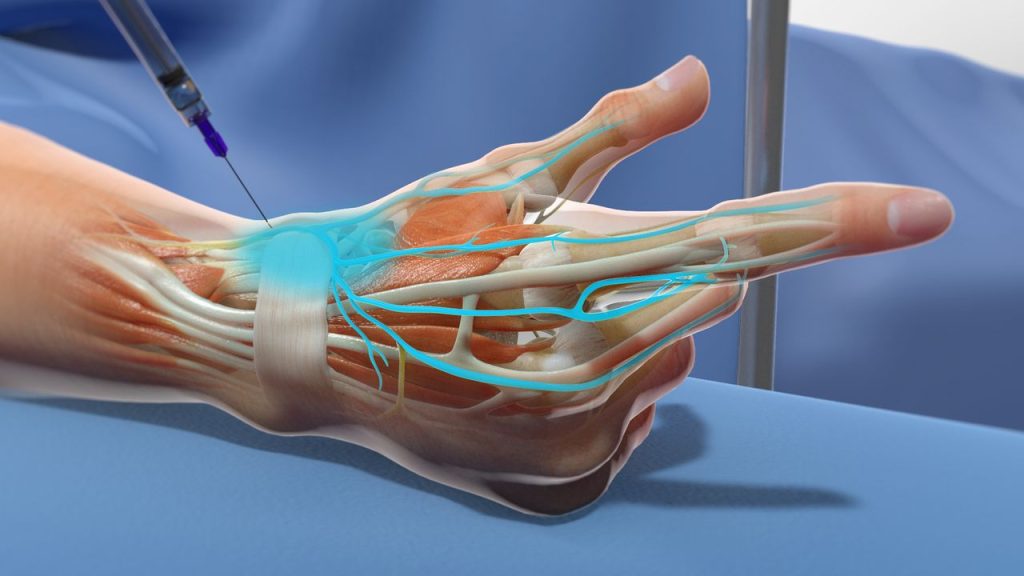
What Is Neuropathic Pain?
Neuropathic pain is a chronic pain condition caused by structural compression, irritation, metabolic injury, or inflammation of the peripheral or central nerves. Unlike nociceptive pain (which arises from tissue tissue damage like cut skin or broken bone), nerve pain produces electric shock sensations, burning, tingling (paresthesia), and heightened sensitivity to light touch (allodynia).
According to clinical research and treatment guidelines established by the International Association for the Study of Pain (IASP) and the Indian Society for the Study of Pain (ISSP), neuropathic pain results from altered signal transmission. When a nerve sheath is irritated or deprived of oxygen, it fires repetitive, erratic electrical signals to the brain, which are interpreted as burning, prickling, or sharp stabbing pains.
What Is the Best Natural Remedy for Nerve Pain?
Determining what is the best natural remedy for nerve pain involves understanding how different lifestyle interventions, supplements, and physical therapies support nerve health and ease hyperactive firing.
1. Alpha-Lipoic Acid (ALA) and B-Complex Supplements
Alpha-lipoic acid is a potent antioxidant that reduces oxidative stress within nerve tissue, promoting microvascular circulation. Paired with active Vitamin B12 (methylcobalamin) and Vitamin B6, these nutrients support the protective myelin sheath surrounding nerve fibers, making them a foundational natural support for peripheral nerve health.
2. Targeted Low-Impact Aerobic Exercise
Gentle, consistent movement—such as daily 20-minute walks, stationary cycling, or swimming—stimulates blood flow to peripheral nerves. Enhanced microcirculation delivers oxygen and essential nutrients to ischemic nerve trunks, encouraging natural tissue recovery.
3. Warm Epsom Salt Soaths and Hydrotherapy
Soaking affected limbs in warm water mixed with magnesium-rich Epsom salts helps relax surrounding skeletal muscles that may be compressing superficial nerve paths. The warmth dilates local blood vessels, easing tightness and dampening acute burning sensations.
4. Topical Capsaicin and Natural Anti-Inflammatories
Topical creams containing capsaicin (derived from chili peppers) work by temporarily depleting Substance P, a chemical neurotransmitter that transmits pain signals to the brain. Additionally, dietary anti-inflammatories like curcumin (turmeric) and omega-3 fatty acids help reduce systemic inflammatory markers.
5. Mind-Body Stress Reduction and Sleep Hygiene
Chronic nerve pain keeps the sympathetic nervous system in a state of high alert. Practicing deep diaphragmatic breathing, biofeedback, and maintaining a strict sleep schedule helps calm central sensitization, lowering your overall pain perception.
How Is Interventional Pain Management Different from Standard Care?
While exploring what is the best natural remedy for nerve pain offers safe lifestyle support, understanding how specialized interventional pain medicine operates helps when home remedies reach their natural limit.
Traditional Pain Treatment vs. Interventional Pain Management
| Traditional Pain Treatment | Interventional Pain Management |
|---|---|
| Uses oral medicines and painkillers | Targets the specific area causing pain |
| Medicines work throughout the body | Treatment is focused on the affected area |
| May provide temporary pain relief | Aims to reduce pain by targeting specific nerves or pain sources |
| Medicines may cause side effects | May reduce the need for long-term medication |
| Usually focuses on managing symptoms | Uses specialised procedures with live image guidance |
Standard Pharmacological Management
Primary care for nerve pain frequently relies on heavy oral anticonvulsants, nerve-numbing pills, or anti-inflammatory medications. While oral medications can quiet nerve firing temporarily, taking them continuously at high doses can cause brain fog, dizziness, weight gain, and daytime drowsiness. Crucially, oral pills circulate through your entire bloodstream rather than concentrating on the single pinched spinal nerve or entrapment site driving your pain.
Traditional Surgical Operations
When basic pills fail to provide relief, patients are sometimes told that major open surgical operations—such as open spinal decompression or nerve release surgery—are their only remaining option. While surgery is critical for progressive neurological emergencies (such as loss of muscle function or bowel/bladder control), open operations involve general anesthesia, structural disruption, hospital stays, and extended recovery timelines.
The Interventional Specialty Approach
An interventional pain doctor utilizes real-time dynamic imaging—such as high-resolution musculoskeletal ultrasound and live C-arm fluoroscopy—to pinpoint the exact location of nerve compression or inflammation. By delivering concentrated anti-inflammatory agents, autologous Platelet-Rich Plasma (PRP), or pulsed radiofrequency thermal energy directly to the target nerve root or sheath, interventional specialists provide effective non-surgical pain relief with minimal procedural downtime and zero open surgical incisions.
How an Image-Guided Interventional Nerve Workflow Works
When nerve pain persists despite natural remedies and oral medications, interventional pain specialists use a structured, step-by-step clinical workflow to diagnose and treat the exact nerve generator.
1.Clinical Mapping & Advanced Imaging Analysis: Locating the precise anatomical generator of nerve irritation.
A comprehensive physical evaluation assesses nerve reflexes, sensory loss, and pain distribution pathways. High-resolution MRI, CT, or musculoskeletal ultrasound scans are analyzed to identify structural disc herniations, spinal stenosis, or peripheral nerve entrapments.
2.Patient Positioning & Local Anesthesia: Ensuring complete patient comfort in an outpatient setting.
The patient rests comfortably in a specialized day-care procedure suite. The skin surrounding the targeted nerve path is thoroughly sterilized, and a local numbing agent is applied to ensure complete procedural
3.Real-Time Precision Image Guidance:Sub-millimeter needle tracking under live imaging visualization.
Using continuous live fluoroscopy (C-arm X-ray) or high-definition ultrasound, the specialist advances a micro-fine needle directly toward the target nerve sheath or epidural space while carefully avoiding surrounding blood vessels.
4.Targeted Therapeutic Delivery or Pulsed Radiofrequency: Calming localized nerve inflammation or resetting pain signaling.
A small diagnostic contrast dose verifies needle location before delivering a targeted anti-inflammatory solution, concentrated PRP growth factors, or gentle Pulsed Radiofrequency (PRF) energy to calm hyperactive pain signaling without damaging the nerve structure.
5.Rapid Recovery & Progressive Rehabilitation Plan: Outpatient recovery and customized nerve stretching roadmap.
Following a brief 20-to-30-minute observation period in a recovery suite, the patient returns home the same day and receives a guided physical therapy plan featuring nerve flossing exercises to rebuild mobility safely.
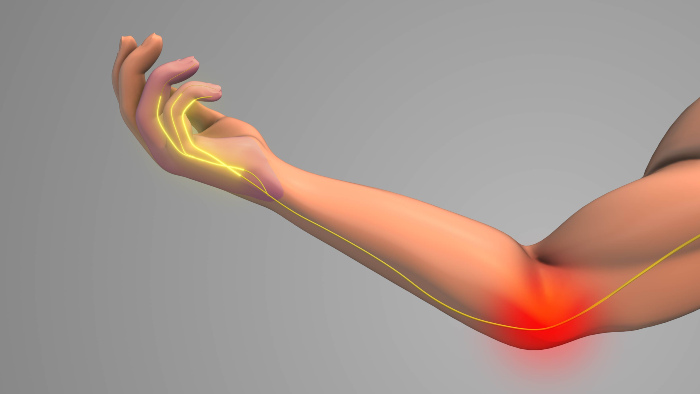
Comparing Natural Remedies vs. Interventional Nerve Procedures
Evaluating your options involves understanding how home management and non-surgical interventional procedures complement each other:
Treatment Comparison Table
| Treatment Category | Primary Mechanism | Ideal Candidates | Expected Relief Timeline |
|---|---|---|---|
| Alpha-Lipoic Acid & B12 Supplements | Provides antioxidant protection and nutritional support for nerve sheath integrity | Mild metabolic neuropathy, early diabetic nerve tightness | Gradual improvement over 4 to 12 weeks |
| Ultrasound-Guided Peripheral Nerve Block | Direct delivery of local anesthetic and anti-inflammatory agents to target nerve sheath | Occipital neuralgia, carpal tunnel syndrome, meralgia paresthetica | Rapid relief within 15 minutes; lasts weeks to months |
| Pulsed Radiofrequency (PRF) Modulation | Applies brief electrical pulses to desensitize hyperactive nerve signals without heat damage | Chronic radiculopathy, persistent post-herpetic neuralgia | Progressive relief over 1 to 3 weeks; typically lasts 6 to 18+ months |
| Epidural Steroid / Regenerative Injection | Image-guided delivery of medication into the epidural space surrounding pinched spinal nerve roots | Sciatica, herniated lumbar disc, spinal stenosis | Significant relief within 2 to 7 days; lasts several months |
Who Is Suitable for Interventional Pain Treatments?
Recognizing candidate criteria early helps you access modern non-surgical care before long-term nerve compression causes permanent axonal damage.
You May Be a Candidate If:
- You experience burning, shooting, or electric shock-like pain lasting longer than 4 to 6 weeks despite using natural remedies.
- Nerve pain restricts your ability to sleep, walk comfortably, sit at a desk, or carry out work responsibilities.
- Oral nerve medications cause unbearable brain fog, drowsiness, dizziness, or stomach irritation.
- You wish to delay or avoid major open spine or nerve surgery through targeted non-surgical approaches.
- Routine rest, physical therapy, and home care have provided incomplete or short-term symptom relief.
What to Expect: Before, During, and After Treatment
Knowing what occurs during an image-guided outpatient procedure helps reduce anxiety and prepares you for a comfortable recovery.
Before the Procedure
Your specialist will review your complete medical history, analyze your nerve sensory maps, and examine your MRI or ultrasound scans. Clear guidance will be provided regarding pre-procedure preparations and temporary adjustments to any blood-thinning medications if necessary.
During the Procedure
- Outpatient Setting: Procedures take place in a clean day-care suite, usually taking only 15 to 30 minutes from start to finish.
- Minimal Discomfort: Local anesthesia numbs the skin and superficial tissue pathways, making needle advancement well tolerated.
- Live Precision Guidance: Continuous ultrasound or fluoroscopy keeps needle guidance exact and away from non-targeted structures.
After the Procedure
- Same-Day Return Home: You can safely return home shortly after a brief recovery observation period.
- Rapid Return to Activity: Most patients resume light, routine daily activities within 24 to 48 hours.
- Targeted Rehabilitation: Guided nerve flossing and physical exercises begin shortly after to maintain long-term functional recovery.
When Should You Consider Seeing an Interventional Pain Specialist in Hyderabad?
If you have been managing chronic pain for more than 6 weeks with limited relief from medication or physiotherapy, a consultation with a fellowship-trained interventional pain specialist is the logical next step. Dr. P. Purohithi at Apollo Hospital, Kondapur, Hyderabad, specialises in precisely diagnosing and treating the source of your pain using image-guided, minimally invasive techniques — without defaulting to surgery.
Holding prestigious international credentials including FIPM (Fellowship in Interventional Pain Management) and IDRA (International Diploma in Regional Anesthesia), Dr. Purohithi serves as the lead specialist at Meraki Pain Management Center. By combining precise diagnostic evaluations with live fluoroscopic and ultrasound guidance for nerve blocks, pulsed radiofrequency ablation, epidural injections, and regenerative care, Dr. Purohithi creates individualized treatment plans tailored to resolve neuropathic pain and restore your daily mobility.
When seeking a trusted pain clinic Hyderabad residents rely on, receiving an accurate diagnostic evaluation is the first step toward lasting nerve health.
Frequently Asked Questions
What is the fastest natural way to ease nerve pain?
Applying warm compresses or taking a warm Epsom salt bath combined with gentle nerve flossing stretches offers immediate temporary relief for acute muscle tightness compressing a nerve.
Can vitamins cure nerve damage?
Vitamins B1, B6, B12, and Alpha-Lipoic Acid support nerve cell metabolism and help maintain the protective myelin sheath. However, if a nerve is physically pinched by a herniated disc or bone spur, nutritional supplements must be combined with physical decompression or image-guided medical procedures.
Is pulsed radiofrequency safe for chronic nerve pain?
Yes. Unlike traditional thermal radiofrequency ablation, Pulsed Radiofrequency (PRF) uses short bursts of electrical energy that desensitize the nerve without heating or damaging the nerve tissue, making it exceptionally safe for sensitive nerve trunks.
How do I know if my pain is nerve pain or muscle pain?
Muscle pain typically feels like a dull, heavy, or localized ache that hurts when the muscle is contracted. Nerve pain feels like a burning, electric shock, coldness, or shooting pain that travels along a specific path, often accompanied by tingling or numbness.
How do I know if I need a pain specialist Kondapur?
If burning or shooting nerve pain lasts longer than 4 weeks, disrupts your sleep, or fails to improve after trying natural remedies and standard care, consulting an interventional pain specialist Kondapur can help identify targeted non-surgical options.
What is the difference between an orthopedic surgeon and an interventional pain doctor?
Orthopedic surgeons focus primarily on open surgical joint replacements and structural spine operations under general anesthesia. An interventional pain management specialist Hyderabad focuses on non-surgical, image-guided procedures to relieve pain while preserving native joint and spine structures.
Can interventional nerve blocks help me avoid spine surgery?
In many cases, yes. By accurately targeting the inflamed nerve root under live image guidance, interventional nerve blocks reduce tissue swelling and quiet pain signals, allowing patients to complete physical therapy and avoid open surgery.
How can I book a consultation with Dr. P. Purohithi at Meraki Pain Management Center?
You can schedule an evaluation with Dr. P. Purohithi at Meraki Pain Management Center, located within Apollo Hospital, Kondapur, Hyderabad, by calling +91 88856 23283 or booking online via the official clinic portal.

Reclaim Your Comfort and Live Pain-Free
Living with persistent nerve burning and electric shock sensations should not force you to rely on daily heavy pills or face major open surgery. Understanding what is the best natural remedy for nerve pain and knowing when to access advanced non-surgical care opens the door to safe, lasting recovery.
If you are considering non-surgical nerve pain treatment in Hyderabad, Dr. P. Purohithi at Meraki Pain Management Center (Apollo Hospital, Kondapur) offers a thorough diagnostic consultation before recommending any procedure.
Take control of your health and explore advanced non-surgical treatment options today.


Leave a Comment