
Table of Contents
What Is the Average Cost of Gel Injections for Knee Pain? A Complete Patient & Financial Guide
If you or a family member are researching non-surgical knee treatments, asking what is the average cost of gel injections for the knee pain is a crucial practical step toward restoring your mobility. Knee osteoarthritis and joint cartilage wear affect millions of adults, causing deep joint aching, morning stiffness, and catching sensations that turn simple walks or stair climbing into painful tasks. When oral painkillers fail to offer lasting relief or trigger unpleasant side effects, hyaluronic acid gel injections (visco supplementation) provide a proven way to restore natural joint lubrication.
For active individuals, working professionals, and seniors across Hyderabad, financial transparency is just as important as clinical excellence when evaluating joint treatments. You may be wondering how gel injection pricing compares to major open surgery, what factors influence the overall investment, and whether insurance covers the procedure.
Gel injections for knee pain represent a cost-effective, non-surgical intervention that bridges the gap between basic daily painkillers and invasive surgical procedures. By understanding what is the average cost of gel injections for the knee pain alongside the clinical benefits of image-guided delivery, you can make an informed, confident decision about your knee health and explore targeted non-surgical pain relief options.
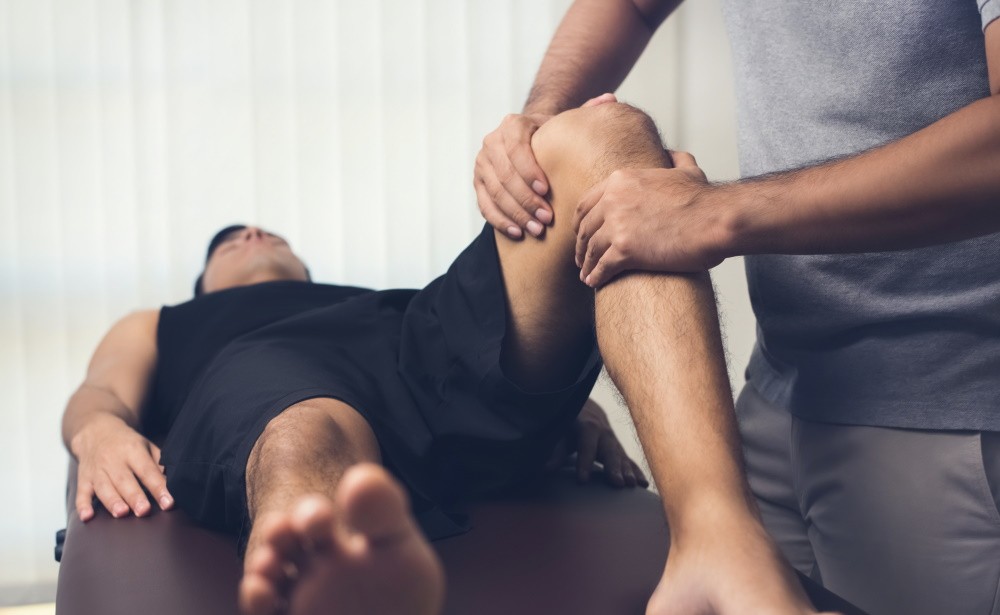
What Are Gel Injections for Knee Pain (Visco supplementation)?
Gel injections for knee pain, clinically known as visco supplementation, involve injecting hyaluronic acid—a naturally occurring lubricating fluid—directly into the intra-articular space of the knee joint. This therapy restores joint fluid viscosity, cushions worn cartilage surfaces, reduces friction during movement, and calms localized joint inflammation without systemic medication side effects.
According to clinical treatment guidelines established by the International Association for the Study of Pain (IASP) and the Indian Society for the Study of Pain (ISSP), healthy knee joints contain thick, shock-absorbing synovial fluid. In osteoarthritic knees, this natural fluid breaks down and loses its elasticity. Hyaluronic acid gel injections replenish this vital protective layer, easing joint friction and helping patients maintain daily physical independence.
What Is the Average Cost of Gel Injections for the Knee Pain in Hyderabad?
When evaluating treatment expenses, understanding what is the average cost of gel injections for the knee pain requires looking at both international baseline ranges and local clinical costs in Hyderabad.
Globally, the cost for viscosupplementation per knee typically ranges from $300 to $1,500 USD per injection cycle depending on healthcare system overheads. In India—and specifically across leading medical hubs like Hyderabad—the average cost of knee gel injections generally ranges between ₹12,000 and ₹45,000 INR per knee for a complete treatment cycle.
Key Price Determinants
- Type and Molecular Weight of Hyaluronic Acid: Single-dose high-molecular-weight formulations (which require only one injection) generally cost more per vial than multi-dose low-molecular-weight formulations delivered over 3 to 5 weekly sessions.
- Brand and Origin: Imported medical-grade hyaluronic acid formulations (such as Synvisc-One, Orthovisc, or Monovisc) carry different pricing tiers compared to domestically manufactured high-purity gels.
- Image Guidance Technology: Utilizing high-resolution ultrasound or live C-arm fluoroscopy during injection ensures sub-millimeter precision within the joint cavity, incorporating standard outpatient procedure suite fees.
- Specialist Expertise: Procedures performed by a fellowship-trained interventional pain doctor at premier tertiary care facilities (such as Apollo Hospital, Kondapur) combine expert anatomical precision with hospital-grade sterile infrastructure.
How Is Interventional Pain Management Different from Standard Care?
Understanding how interventional pain medicine operates helps contextualize procedural costs when compared to general pharmaceutical management and major joint surgery.
Traditional Pain Treatment vs. Interventional Pain Management
| Traditional Pain Treatment | Interventional Pain Management |
|---|---|
| Uses oral medicines to manage pain | Targets the specific area causing pain |
| Medicines may affect the whole body | Focuses treatment on the affected area |
| Often provides temporary pain relief | Aims to reduce pain by treating its source |
| Medicines may cause side effects | May reduce the need for long-term pain medication |
| May require continued medication | Some procedures involve shorter recovery times |
Traditional Pharmacological Care
Routine conservative management often relies on long-term daily oral non-steroidal anti-inflammatory drugs (NSAIDs), pain relievers, and oral glucosamine supplements. While oral pills may offer temporary symptom relief, taking them daily over months or years carries significant health risks, including gastric ulcers, stomach acidity, elevated blood pressure, and kidney strain. Furthermore, oral medications circulate systemically throughout the body rather than targeting the specific cartilage friction point inside the joint.
Major Surgical Replacement
When conservative oral medications no longer control pain, patients are often told that Total Knee Arthroplasty (TKA) is their only option. Total joint replacement surgery involves major financial costs—frequently ranging from ₹2.5 Lakhs to ₹5 Lakhs per knee—alongside hospital stays, general anesthesia risks, and several months of painful post-operative rehabilitation.
The Interventional Specialty Approach
An interventional pain doctor uses real-time dynamic imaging—such as musculoskeletal ultrasound or live fluoroscopy—to place therapeutic hyaluronic acid gel directly into the intra-articular joint capsule. This image-guided approach maximizes therapeutic absorption, minimizes injection discomfort, avoids surgical risks, and carries zero hospital stay costs, providing effective non-surgical pain relief at a fraction of surgical expenses.
How an Image-Guided Gel Injection Workflow Works: Step-by-Step
When evaluating what is the average cost of gel injections for the knee pain, understanding the step-by-step clinical process demonstrates the value of precise, image-guided administration.
1.Step 1: Clinical Mapping & Diagnostic Imaging Review:Evaluating joint space narrowing and cartilage degradation.
A comprehensive physical evaluation assesses joint range of motion, swelling, and alignment. Weight-bearing X-rays or MRI scans are analyzed to confirm the stage of knee osteoarthritis and verify joint space clearance.
2.Step 2: Patient Positioning & Local Anesthesia:Ensuring complete patient comfort in a sterile day-care suite.
The patient rests comfortably in an outpatient procedure room. The skin over the target knee joint is thoroughly sterilized with antiseptic, and a local numbing agent is applied to ensure complete procedural comfort.
3.Step 3: Ultrasound-Guided Arthrocentesis (If Required):Removing excess inflammatory fluid to maximize gel efficacy.
If joint effusion (excess fluid) is present, the specialist uses high-resolution ultrasound to gently aspirate the inflammatory fluid from the joint capsule before administering the gel, preventing dilution.
4.Step 4: Precision Intra-Articular Gel Administration:Delivering cushion gel under real-time visualization.
Under continuous ultrasound or fluoroscopic guidance, the specialist advances a fine needle directly into the intra-articular joint space and smoothly injects the pre-filled hyaluronic acid gel.
5.Step 5: Immediate Recovery & Functional Rehabilitation Plan:Outpatient recovery and customized leg strengthening roadmap.
Following a brief 15-to-20-minute observation period, the patient walks out of the clinic the same day with a guided rehabilitation exercise plan to strengthen surrounding stabilizing muscles.
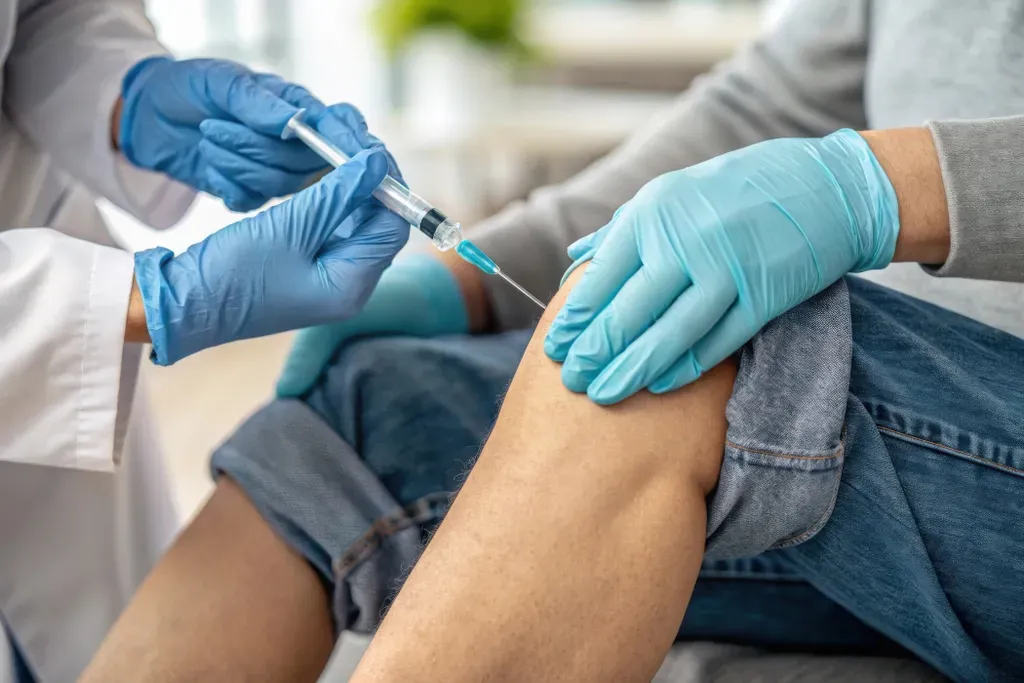
Comparing Non-Surgical Interventional Options for Knee Pain
Evaluating non-surgical treatment options involves matching your specific stage of joint wear and budget with the appropriate interventional procedure.
Treatment Comparison Table
| Procedure Category | Primary Mechanism | Clinical Suitability | Average Duration of Relief | Relative Cost Range |
| Hyaluronic Acid Gel Injections (Viscosupplementation) | Restores natural joint fluid viscosity and cushions cartilage friction | Mild to moderate (Grade 1–3) knee osteoarthritis | Typically 6 to 12 months | Moderate (₹12,000 – ₹45,000) |
| Platelet-Rich Plasma (PRP) Therapy | Injects concentrated autologous growth factors to reduce joint inflammation | Mild to moderate cartilage wear, active patients | Clinical experience suggests 6 to 18+ months | Moderate to High (₹15,000 – ₹50,000) |
| Genicular Nerve Radiofrequency Ablation (RFA) | Uses thermal energy to desensitize sensory nerves supplying the joint | Severe (Grade 3–4) knee osteoarthritis, surgical candidates | Typically 9 to 24 months | Higher (₹40,000 – ₹90,000) |
| Ultrasound-Guided Corticosteroid Injections | Rapidly quells acute intra-articular joint swelling and inflammation | Acute inflammatory flare-ups, severe swelling | Typically 2 to 4 months | Lower (₹5,000 – ₹12,000) |
Who Is Suitable for Gel Injections for Knee Pain?
Recognizing your candidacy early helps you access modern non-surgical care before severe bone-on-bone joint damage develops.
You May Be a Candidate If:
- You experience persistent knee joint stiffness, aching, or grating sensations lasting longer than 4 to 6 weeks.
- Pain restricts your ability to walk comfortably, climb stairs, stand for extended periods, or enjoy exercise.
- Oral anti-inflammatory pills cause stomach distress, acid reflux, elevated blood pressure, or kidney concerns.
- You wish to delay or avoid open total knee replacement surgery through targeted non-surgical treatment.
- Diagnostic X-rays show mild to moderate (Grade 1, 2, or 3) joint space narrowing with preserved articular structure.
What to Expect: Before, During, and After Gel Injections
Knowing what occurs during an image-guided outpatient gel injection helps ease anxiety and prepares you for a smooth recovery.
Before the Procedure
Your specialist will review your medical history, examine your knee range of motion, and evaluate your weight-bearing imaging scans. Clear guidance will be provided regarding pre-procedure preparations and temporary adjustments to any blood-thinning medications if necessary.
During the Procedure
- Outpatient Convenience: Procedures take place in a clean day-care setting, usually taking only 15 to 20 minutes from start to finish.
- Minimal Discomfort: Numbing medication is applied to the skin beforehand, making needle placement well tolerated.
- Live Image Precision: Real-time ultrasound guidance ensures the gel is delivered directly into the joint space rather than surrounding soft tissue.
After the Procedure
- Immediate Walking: You can safely walk out of the clinic immediately after a brief post-procedure observation.
- Rapid Return to Activity: Most patients resume light daily activities within 24 to 48 hours, avoiding heavy high-impact exercise for 3 to 5 days.
- Progressive Relief: While initial lubricating cushioning is felt quickly, optimal joint comfort typically develops over 2 to 4 weeks as inflammation settles.
When Should You Consider Seeing an Interventional Pain Specialist in Hyderabad?
If you have been managing chronic pain for more than 6 weeks with limited relief from medication or physiotherapy, a consultation with a fellowship-trained interventional pain specialist is the logical next step. Dr. P. Purohithi at Apollo Hospital, Kondapur, Hyderabad, specialises in precisely diagnosing and treating the source of your pain using image-guided, minimally invasive techniques — without defaulting to surgery.
Holding prestigious international qualifications including FIPM (Fellowship in Interventional Pain Management) and IDRA (International Diploma in Regional Anesthesia), Dr. Purohithi serves as the lead specialist at Meraki Pain Management Center. By combining precise diagnostic evaluations with live ultrasound guidance for gel injections, PRP therapy, and genicular nerve ablation, Dr. Purohithi creates individualized treatment plans tailored to resolve knee pain and restore your daily mobility.
When seeking a trusted pain clinic Hyderabad residents rely on, receiving a clear diagnostic evaluation is the first step toward lasting joint health.
Frequently Asked Questions
What is the average cost of gel injections for the knee pain in Hyderabad?
In Hyderabad, the total cost for knee gel injections typically ranges between ₹12,000 and ₹45,000 per knee, depending on whether a single-dose or multi-dose formulation is used and the specific hospital infrastructure involved.
Does health insurance cover knee gel injections?
Coverage policies vary by provider. Some private health insurance plans and corporate policies cover viscosupplementation when prescribed by a specialist for documented osteoarthritis, while others classify it as a day-care procedure. It is best to check with your insurance administrator prior to treatment.
How long do knee gel injections last?
Clinical experience suggests that relief from hyaluronic acid gel injections typically lasts between 6 and 12 months. Treatment cycles can be safely repeated when symptoms gradually return.
Are gel injections for knee pain safe?
Yes. Hyaluronic acid is a naturally occurring compound in human joint fluid. When administered by an experienced interventional pain doctor under sterile conditions using live ultrasound guidance, gel injections have a high safety profile with minimal side effects.
How do I know if I need a pain specialist Kondapur?
If knee pain limits your daily walking, causes catching sensations, or fails to improve after 4 weeks of rest and basic medications, consulting a pain specialist Kondapur helps determine if gel injections or other non-surgical options are right for you.
What is the difference between an orthopedic surgeon and an interventional pain doctor?
Orthopedic surgeons focus primarily on open surgical joint replacements under general anesthesia. An interventional pain management specialist Hyderabad focuses on non-surgical, image-guided procedures to relieve pain and preserve native joint structures.
Can gel injections replace total knee surgery?
In mild to moderate osteoarthritis, gel injections effectively restore joint lubrication and manage pain, helping many patients delay or avoid open knee replacement surgery altogether.
How can I book a consultation with Dr. P. Purohithi at Meraki Pain Management Center?
You can schedule an evaluation with Dr. P. Purohithi at Meraki Pain Management Center, located within Apollo Hospital, Kondapur, Hyderabad, by calling +91 88856 23283 or booking online via the official clinic portal.

Reclaim Your Mobility and Live Pain-Free
Chronic knee joint stiffness should not force you to alter your lifestyle or choose between daily oral pills and major open surgery. Understanding what is the average cost of gel injections for the knee pain highlights an accessible, evidence-based procedure designed to protect your joint cartilage and restore your movement.
If you are considering non-surgical knee pain treatment in Hyderabad, Dr. P. Purohithi at Meraki Pain Management Center (Apollo Hospital, Kondapur) offers a thorough diagnostic consultation before recommending any procedure.
Take control of your joint health and explore advanced non-surgical treatment options today.


Leave a Comment