
Table of Contents
How Do I Stop Knee Pain When Climbing Stairs? A Medical Guide to Relief
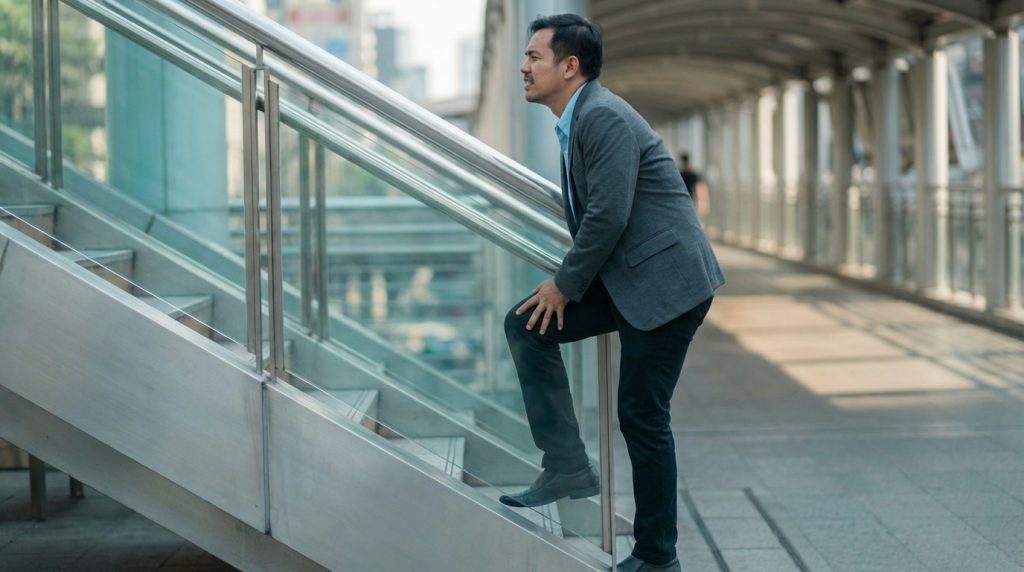
If you are asking yourself, “How do I stop knee pain when climbing stairs?“, you are not alone. Stepping up a flight of stairs or walking down a steep incline requires your knee joint to absorb forces between three and six times your body weight. When cartilage friction, tendon inflammation, or joint degradation begins to set in, what used to be a routine daily task can turn into a sharp, catching ache.
For active adults, desk workers, and seniors across Hyderabad, stair-climbing knee pain often starts quietly. You might notice a subtle grating sensation behind your kneecap when taking the stairs at work, or an uncomfortable throb when walking down steps after a long day. Over time, many people adjust their daily routines—avoiding upper floors or taking steps one at a time—hoping the joint stiffness will fade on its own.
However, relying on daily rest, knee wraps, or over-the-counter painkillers only masks symptoms without addressing the underlying joint mechanics. Understanding the anatomical reasons behind patellofemoral strain allows you to explore targeted non-surgical pain relief options that protect your joint health and help you move without discomfort.
What Is Patellofemoral and Stair-Climbing Knee Pain?
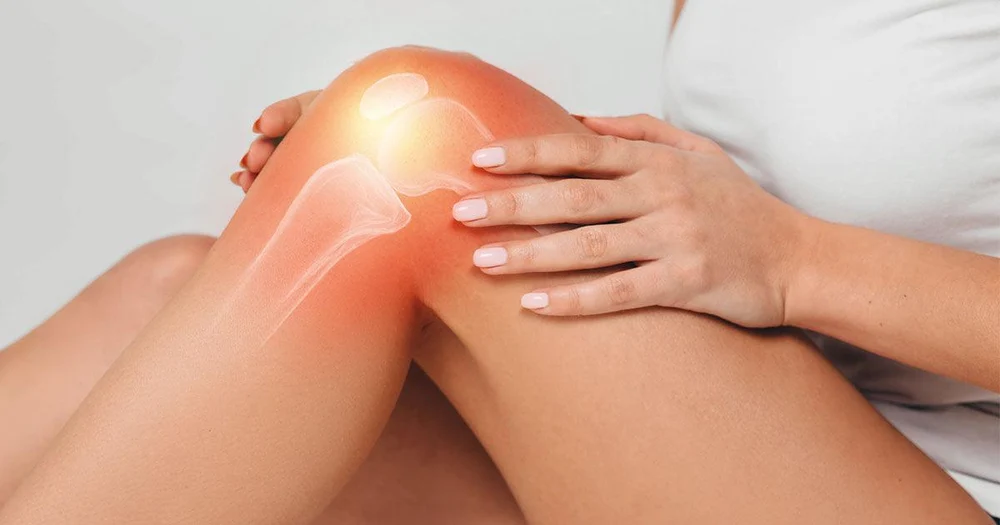
Stair-climbing knee pain is localized joint discomfort caused by heightened biomechanical compression between the kneecap (patella) and the thigh bone (femur). It commonly stems from patellofemoral pain syndrome, retropatellar cartilage softening (chondromalacia), meniscal strain, or early knee osteoarthritis, which amplifies intra-articular pressure during leg extension.
According to clinical research published by the International Association for the Study of Pain (IASP) and the Indian Society for the Study of Pain (ISSP), knee pain during weight-bearing flexion is rarely a random symptom. It highlights altered patellar tracking or focal cartilage degradation, where sensory nerves in the subchondral bone and surrounding joint capsule become irritated under compressive loads.
How Is Interventional Pain Management Different from Standard Care?
Understanding how to stop stair-climbing knee pain requires evaluating how specialized interventional pain medicine differs from routine oral medication management and major surgical joint reconstruction.
Traditional Pain Management vs. Interventional Pain Management
| Traditional Pain Management | Interventional Pain Management |
|---|---|
| May include oral medications, physiotherapy, and lifestyle modifications. | Uses targeted procedures for selected pain conditions. |
| Medicines may act throughout the body. | Procedures target specific anatomical structures or pain pathways. |
| Relief may vary depending on the condition and treatment. | May provide temporary or longer-lasting relief, depending on the procedure. |
| Systemic medicines can cause side effects. | Procedures have specific risks, such as bleeding, infection, or nerve injury. |
| Often forms part of ongoing conservative treatment. | May use ultrasound or fluoroscopy guidance to improve procedural accuracy. |
| Recovery depends on the treatment and individual response. | Some procedures involve limited downtime, but recovery varies. |
Traditional Pharmacological Care
Standard conservative care typically relies on oral non-steroidal anti-inflammatory drugs (NSAIDs), muscle relaxants, and topical gels. While oral pills can help dull acute flare-ups, taking them continuously does not repair worn cartilage or improve joint tracking. Furthermore, daily oral pain relievers diffuse systemically throughout the entire body rather than concentrating where joint friction actually occurs, carrying risks of gastric acidity, stomach ulcers, and kidney stress over time.
Major Surgical Reconstruction
When oral pills fail to provide lasting relief, patients are sometimes told that major surgical operations—such as total knee replacement or open joint realignment—are their only remaining option. While surgery is critical for severe, end-stage joint collapse, major operations involve general anesthesia, structural tissue disruption, hospital stays, and lengthy rehabilitation.
The Interventional Specialty Approach
An interventional pain doctor uses real-time dynamic imaging—such as high-resolution musculoskeletal ultrasound and live C-arm fluoroscopy—to identify the exact anatomical generator of your joint pain. By delivering concentrated anti-inflammatory agents, autologous Platelet-Rich Plasma (PRP), or radiofrequency thermal energy directly to painful genicular nerves or the joint capsule, interventional specialists provide effective, non-surgical relief with minimal procedural downtime and zero surgical incisions.
How an Image-Guided Interventional Workflow Works: Step-by-Step
When stair-climbing knee pain persists despite rest and basic physical therapy, interventional pain specialists use a structured, safety-first clinical workflow to diagnose and treat the exact source of joint irritation.
1.Step 1: Clinical Mapping & Advanced Imaging Analysis:Locating the precise anatomical generator of joint pain.
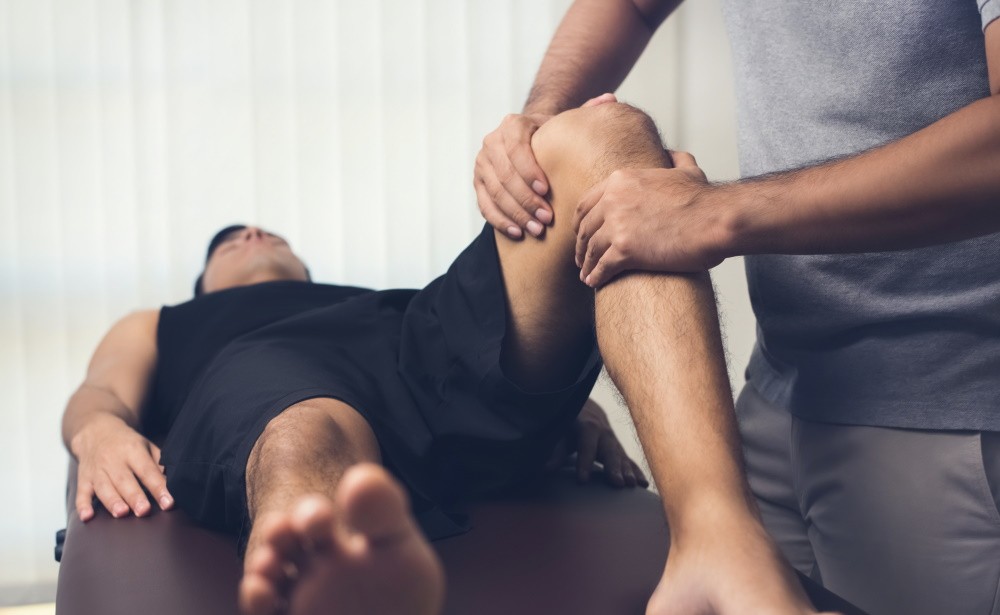
A thorough clinical examination assesses patellar alignment, quadriceps strength, and joint tenderness. High-resolution MRI, X-ray, or musculoskeletal ultrasound scans are analyzed to evaluate retropatellar cartilage depth and joint fluid buildup.
2.Step 2: Patient Positioning & Local Anesthesia:Ensuring complete patient comfort in an outpatient setting.
The patient rests comfortably in an outpatient procedure room. The skin surrounding the targeted knee joint area is thoroughly sterilized, and a local numbing agent is applied to ensure complete procedural comfort.
3.Step 3: Real-Time Precision Image Guidance:Sub-millimeter needle tracking under live imaging visualization.
Using continuous live fluoroscopy or high-definition ultrasound, the specialist advances a fine needle directly toward the intra-articular joint space or targeted genicular sensory nerve branches while carefully avoiding surrounding blood vessels.
4.Step 4: Targeted Therapeutic Delivery or Genicular Modulation:Calming inflammation or desensitizing pain signaling pathways.
A precise dose of local anesthetic combined with a targeted anti-inflammatory solution, concentrated PRP growth factors, or radiofrequency thermal energy is delivered directly to calm hyperactive nerve signals and support the joint environment.
5.Step 5: Rapid Recovery & Functional Rehabilitation Plan:Outpatient recovery and customized leg strengthening roadmap.
Following a brief 20-to-30-minute observation period, the patient returns home the same day and receives a guided physical rehabilitation plan to strengthen the vastus medialis obliquus (VMO) and stabilize joint tracking.
Comparing Non-Surgical Options for Stair-Climbing Knee Pain
Evaluating your treatment options involves matching your specific stage of knee wear with the appropriate non-surgical therapy.
Treatment Comparison Table
| Procedure Category | Primary Mechanism | Ideal Candidates | Expected Relief Duration |
| Genicular Nerve Radiofrequency Ablation (RFA) | Thermal desensitization of sensory nerve branches supplying the knee joint capsule | Moderate to severe knee osteoarthritis, persistent retropatellar pain, prior surgery pain | Typically 9 to 24 months |
| Platelet-Rich Plasma (PRP) Therapy | Intra-articular injection of concentrated autologous growth factors to reduce inflammation | Mild to moderate patellofemoral wear, early osteoarthritis, active individuals | Clinical experience suggests 6 to 18+ months |
| Viscosupplementation (Hyaluronic Acid) | Injected natural hyaluronic acid to lubricate cartilage surfaces and improve shock absorption | Mechanical grinding pain, mild retropatellar stiffness, early cartilage wear | Typically 6 to 12 months |
| Ultrasound-Guided Corticosteroid Injection | Targeted delivery of anti-inflammatory agents into swollen bursae or joint spaces | Acute joint swelling, severe inflammatory flare-ups | Typically 2 to 4 months |
Who Is Suitable for Interventional Pain Treatments?
Recognizing candidate criteria early helps you access modern non-surgical care before chronic pain leads to muscle atrophy or severe joint stiffness.
You May Be a Candidate If:
- You experience knee pain or catching sensations specifically when climbing or descending stairs for longer than 4 to 6 weeks.
- Pain restricts your ability to walk comfortably, exercise, or perform routine work duties.
- Oral anti-inflammatory pills cause stomach distress, acidity, or elevated blood pressure.
- You wish to delay or avoid open total knee replacement surgery through targeted non-surgical care.
- Routine rest, knee braces, and physical therapy have provided incomplete or temporary symptom relief.
Practical Evidence-Based Tips to Reduce Stair-Climbing Knee Strain
In addition to medical evaluation, incorporating practical daily biomechanical adjustments helps ease joint pressure on stairs:
- Adopt the “Good Up, Bad Down” Technique: When stepping up, lead with your non-painful leg first to pull your body weight up; when going down stairs, lead with your affected leg to minimize compression.
- Engage Your Gluteal Muscles: Consciously push through your heel rather than your toes when stepping up to activate your glutes and take mechanical load off your kneecap.
- Use Handrails for Unloading: Hold onto handrails to distribute a portion of your body weight through your upper body, reducing joint compression.
- Strengthen the Inner Quadriceps (VMO): Perform targeted, low-impact leg extensions and straight-leg raises to keep your kneecap tracking smoothly within its groove.
- Wear Supportive Footwear: Avoid walking up stairs barefoot or in flat, unsupportive shoes; cushioned shoes or orthotics help absorb ground reaction forces.
When Should You Consider Seeing an Interventional Pain Specialist in Hyderabad?
If you have been managing chronic pain for more than 6 weeks with limited relief from medication or physiotherapy, a consultation with a fellowship-trained interventional pain specialist is the logical next step. Dr. P. Purohithi at Apollo Hospital, Kondapur, Hyderabad, specialises in precisely diagnosing and treating the source of your pain using image-guided, minimally invasive techniques — without defaulting to surgery.
Holding prestigious international qualifications including FIPM (Fellowship in Interventional Pain Management) and IDRA (International Diploma in Regional Anesthesia), Dr. Purohithi serves as the lead specialist at Meraki Pain Management Center. By combining precise diagnostic evaluations with live fluoroscopic and ultrasound guidance for genicular nerve ablation, PRP therapy, and viscosupplementation, Dr. Purohithi creates individualized treatment plans tailored to resolve knee pain and restore your daily mobility.
When seeking a trusted pain clinic Hyderabad residents rely on, receiving an accurate diagnostic evaluation is the first step toward lasting joint health.
Frequently Asked Questions
Why does my knee hurt more going down stairs than going up?
Going down stairs creates higher mechanical shock and forces your quadriceps muscle to contract eccentrically, pressing your kneecap firmly against your thigh bone and aggravating worn retropatellar cartilage.
Is radiofrequency ablation safe for managing knee pain?
Yes. When performed by a fellowship-trained interventional pain doctor using live C-arm fluoroscopy guidance, genicular nerve radiofrequency ablation is a safe, outpatient procedure with a high safety profile.
Can PRP therapy help me avoid knee surgery?
In cases of mild to moderate patellofemoral wear and osteoarthritis, ultrasound-guided PRP therapy can calm intra-articular inflammation and improve joint comfort, helping patients delay or avoid open surgery.
How long does relief from an interventional knee injection last?
Relief duration varies by treatment type and individual joint condition. Corticosteroid injections typically last 2 to 4 months, hyaluronic acid lasts 6 to 12 months, and radiofrequency ablation can last 9 to 24 months.
How do I know if I need a pain specialist Kondapur?
If knee pain when climbing stairs lasts longer than 4 weeks, restricts daily mobility, or fails to improve after trying basic home care and physical therapy, consulting an interventional pain specialist Kondapur is recommended.
What is the difference between an orthopedic surgeon and an interventional pain doctor?
Orthopedic surgeons focus primarily on open surgical joint repairs and total replacements under general anesthesia. An interventional pain management specialist Hyderabad focuses on non-surgical, image-guided procedures to relieve pain while preserving native joint structures.
How quickly can I walk after a non-surgical interventional knee procedure?
Most patients are able to walk immediately after the procedure and can resume light, routine daily activities within 24 to 48 hours.
How can I book a consultation with Dr. P. Purohithi at Meraki Pain Management Center?
You can schedule an evaluation with Dr. P. Purohithi at Meraki Pain Management Center, located within Apollo Hospital, Kondapur, Hyderabad, by calling +91 88856 23283 or booking online via the official clinic portal.
Reclaim Your Mobility and Live Pain-Free
Stair-climbing knee pain should not force you to alter your daily life or choose between daily oral pills and major open surgery. Understanding how do I stop knee pain when climbing stairs? opens the door to safe, image-guided procedures designed to target the true source of your joint pain.
If you are considering non-surgical knee pain treatment in Hyderabad, Dr. P. Purohithi at Meraki Pain Management Center (Apollo Hospital, Kondapur) offers a thorough diagnostic consultation before recommending any procedure.
Take control of your joint health and explore advanced non-surgical treatment options today.

Leave a Comment